 EN
EN

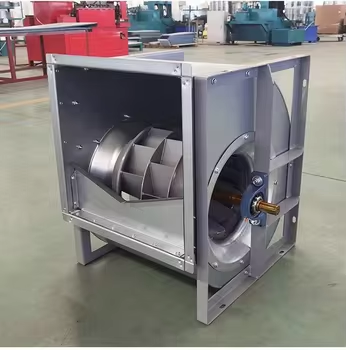
How Kitchen Exhaust Fans Capture Smoke and Remove Grease at the Source
Airflow Physics: Why Proper Exhaust Fan Sizing and Placement Dictate Capture Efficiency
Getting smoke and grease under control starts with understanding how air moves around in kitchens. The exhaust fans create areas of low pressure that pull up all those pesky contaminants like smoke, steam, and tiny bits of grease before they can spread out everywhere. When it comes to sizing these systems right, restaurant owners need to look at their specific equipment and how much cooking happens there. The math involves something called CFM ratings which determine if the airflow speed is enough to beat back those hot air currents coming off the cooktops. Studies on ventilation systems reveal that when fans are too small for the job, anywhere between 15% to 30% of those particles just slip past the hoods completely. Putting the hoods at just the right height matters too. Most experts recommend mounting them somewhere between 24 and 30 inches above where food gets cooked because that's where the concentration of grease particles peaks. This positioning stops the grease from getting cold and sticking to the inside of the ductwork later on down the line.
Velocity, Hood Design, and Static Pressure: Optimizing Exhaust Fan Performance in Real Kitchens
Three interdependent factors determine real-world exhaust fan effectiveness:
- Velocity: A minimum of 100–150 FPM at hood edges is required to counteract cross-drafts and maintain consistent containment across the cooking line
- Hood geometry: Baffle-style hoods increase grease capture by 40% compared to mesh filters by redirecting airflow to enhance centrifugal separation
- Static pressure: Ductwork resistance typically ranges from 0.5 to 1.0 inches water gauge; fans must be engineered to sustain rated CFM under this load
When unbalanced, these elements degrade performance significantly. For example, high-static-pressure duct layouts can reduce effective airflow by up to 25%, even with correctly sized fans. Optimized systems maintain uniform velocity across all stations, ensuring grease-laden vapors enter filtration immediately—not after cooling and condensing in ducts.
Compliance Essentials: NFPA 96, IMC, and Type I Exhaust Fan Requirements
Type I Hoods and Certified Exhaust Fans for Grease-Producing Cooking Equipment
Type I hoods are required by law for any kitchen equipment that produces grease during cooking operations like fryers, griddles, charbroilers, and those big wok ranges commonly seen in Asian restaurants. The systems need to have exhaust fans that meet specific safety certifications for working properly in environments where temperatures get really hot and there's plenty of grease floating around. Codes set forth by organizations such as the National Fire Protection Association through their NFPA 96 standard along with requirements from the International Mechanical Code create strict guidelines that everyone in the industry has to follow when it comes to how these ventilation systems are designed, installed, and ultimately perform on a daily basis.
| Standard | Primary Focus | Key Requirements |
|---|---|---|
| NFPA 96 | Fire Prevention | Grease containment integrity, integration with fire suppression systems, mandatory cleaning schedules |
| IMC | Mechanical Performance | Precise CFM calculations, makeup air balancing, duct slope (minimum 1/4" per foot), and structural installation standards |
Certified exhaust fans must sustain a minimum capture velocity of 500 FPM at the hood face to contain airborne grease effectively. Non-certified units frequently fall short—violating IMC Section 904 and NFPA 96 Chapter 4—and significantly increase the risk of grease bypass and duct accumulation.
Common Compliance Gaps: How Noncompliant Exhaust Fans Accelerate Duct Grease Buildup
Undersized exhaust fans account for 43% of commercial kitchen ventilation violations identified in ICC audits. These deficiencies trigger three cascading failures:
- Reduced capture velocity allows grease particles to escape hood containment and deposit mid-duct
- Improper duct slope (below the IMC-mandated 1/4" per foot) creates low points where grease pools and thickens
- Inadequate filter maintenance accelerates residue migration into fans and ductwork
Fire safety authorities report such gaps increase annual duct grease deposits by 70%. This buildup serves as primary ignition fuel: NFPA attributes 22% of restaurant fires directly to grease accumulation stemming from noncompliant or poorly maintained ventilation systems. Consistent airflow verification and static pressure monitoring are essential preventive controls.
Preventive Maintenance for Long-Term Exhaust Fan Effectiveness
Filter Cleaning Intervals and Exhaust Fan Inspections per NFPA 96 Section 11.6
Regular maintenance work stands behind good capture rates and keeps fires from happening. According to NFPA 96 Section 11.6, restaurants need to clean their hood filters once a month and get professionals to check out the whole exhaust system every three months. This includes looking at fans, ductwork, and those fire suppression parts too. When businesses skip these regular checks, grease builds up all over the place - on fan blades, inside the housing, and along the duct walls. Studies show this can cut down airflow efficiency by about 40 percent according to NFPA data from last year. The fans then have to work much harder for longer periods, which means higher electricity bills, faster component wear, and greater chances of dangerous situations developing. Keeping track of all maintenance activities in one central record makes it easier to stay compliant with regulations while also spotting when parts start showing signs of wear before they fail completely. Restaurants that stick to proper maintenance schedules typically manage to trap around 95% of airborne particles right where they form. This not only prolongs the lifespan of expensive equipment but saves money in the long run by preventing those unexpected, expensive duct cleaning emergencies we all dread.
The Fire Risk Reality: How Neglected Exhaust Fans Drive Restaurant Safety Failures
When grease builds up in those old exhaust fans and ducts nobody thinks about anymore, it becomes a serious fire risk that could have been avoided. Cooking oils and food particles stick to everything inside these systems over time - fan blades, bearings, walls of the ducts - creating deposits that catch fire almost immediately if they come into contact with heat sources like stoves, gas flames, or even faulty wiring. Once one of these grease fires starts going, it spreads fast through hidden air channels in the building. Most people don't realize there's a problem until smoke starts coming through the ceiling tiles or something catches fire nearby. Putting out these kinds of fires is really tough because firefighters can't get good access, plus all that trapped air makes them burn hotter. And even after putting it out, leftover grease might reignite later on. According to industry reports, each grease fire incident typically causes over $740k in direct damages alone. But the real cost goes way beyond money. Businesses often shut down for weeks or months while repairs happen, face heavy fines from regulators, see their insurance rates skyrocket, and suffer bad publicity that takes years to recover from. The bottom line? Regular deep cleaning by professionals, keeping inspection records up to date, and actually checking how well air flows through the system are pretty much the only ways to stop this kind of disaster before it happens.
FAQ
Why is it essential to properly size and place kitchen exhaust fans?
Proper sizing and placement are crucial because they ensure the effective capture of smoke and grease at the source. With correct sizing, the airflow speed can counteract hot air currents, ensuring contaminants don't escape and spread, which reduces the risk of fire and ensures better air quality.
What are the critical factors affecting exhaust fan performance?
Velocity, hood design, and static pressure are three key factors that affect exhaust fan performance. Proper velocity ensures containment across the cooking line, hood design influences grease capture efficiency, and static pressure considerations prevent reduced airflow effectiveness.
What are Type I hoods, and why are they important?
Type I hoods are ventilation systems specifically required for kitchen equipment producing greasy vapors, such as fryers and griddles. They are essential because they meet safety standards necessary for environments with high temperatures and grease, reducing grease accumulation and consequent fire hazards.
How often should hood filters and the exhaust system be cleaned?
According to the NFPA 96, hood filters should be cleaned at least once a month, and the entire exhaust system should be inspected every three months to prevent grease buildup and maintain fire safety standards.
What are the consequences of neglecting exhaust fan maintenance?
Neglecting maintenance can lead to severe consequences, including increased fire risks from grease buildup, higher operation costs from inefficient fans, and significant financial and reputational damages from potential fires.
Table of Contents
- How Kitchen Exhaust Fans Capture Smoke and Remove Grease at the Source
- Compliance Essentials: NFPA 96, IMC, and Type I Exhaust Fan Requirements
- Preventive Maintenance for Long-Term Exhaust Fan Effectiveness
- The Fire Risk Reality: How Neglected Exhaust Fans Drive Restaurant Safety Failures
-
FAQ
- Why is it essential to properly size and place kitchen exhaust fans?
- What are the critical factors affecting exhaust fan performance?
- What are Type I hoods, and why are they important?
- How often should hood filters and the exhaust system be cleaned?
- What are the consequences of neglecting exhaust fan maintenance?