 EN
EN

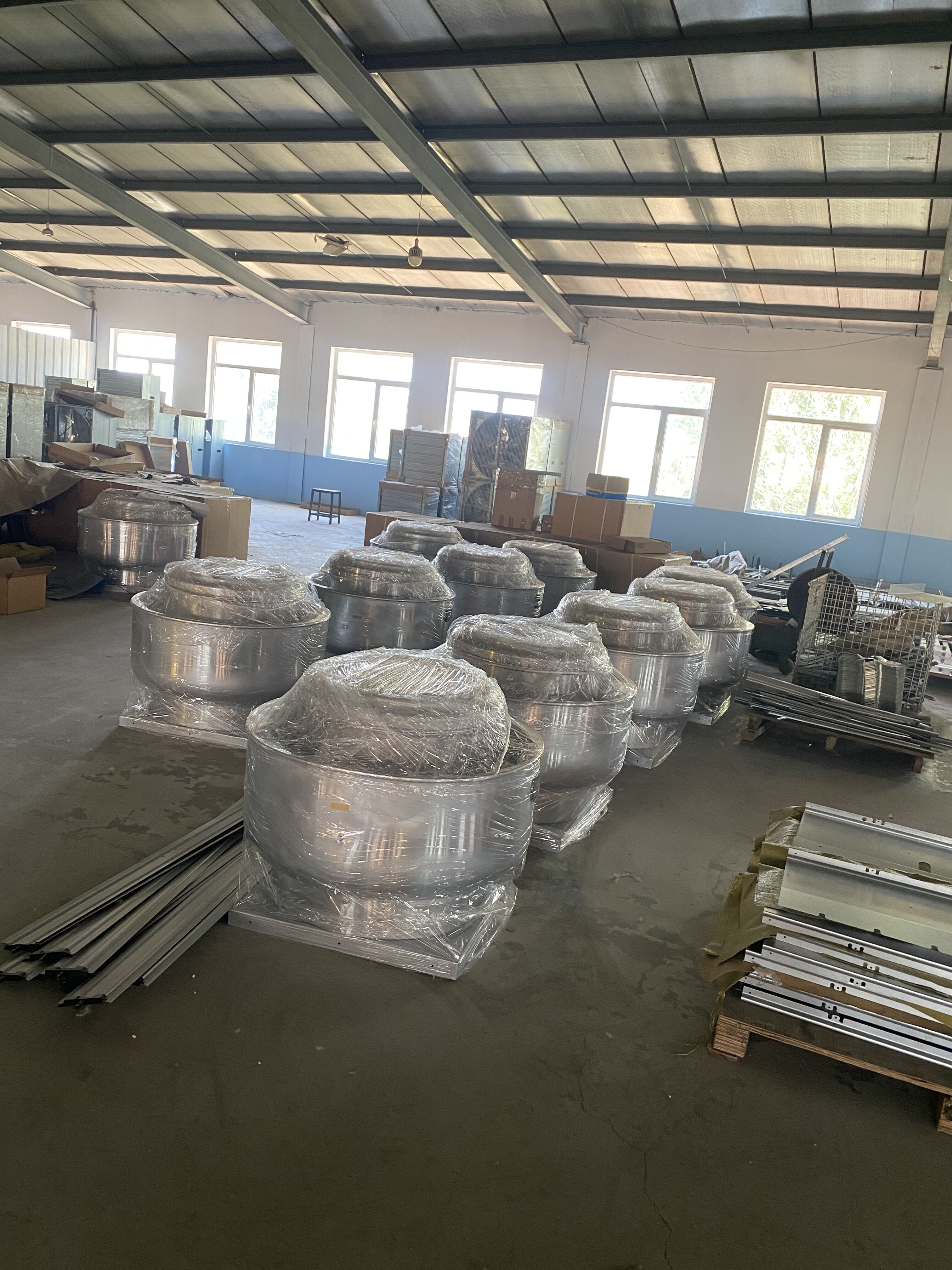
What Is an Upblast Fan and Why It's Critical for Commercial Kitchen Ventilation
Core Functionality: Removing Heat, Grease, and Odors at Source
The upblast fan acts as the main exhaust point in most commercial kitchens, pulling out heat, grease particles, and those pesky cooking smells straight up through the roof. Without this kind of focused extraction system, all sorts of airborne nasties would just hang around the workspace instead of getting vented outside. Fire safety experts have actually shown how important this setup really is. We know that when grease builds up inside those ducts, the chances of a fire go way up. Statistics from NFPA 96 (2023) tell us that about 30% of all kitchen fires each year can be traced back to inadequate ventilation systems. That's why good upblast fans matter so much they keep the air clean, cut down on slippery floors caused by condensation, and make sure restaurants stay within local building codes for proper kitchen ventilation.
Key Design Features That Define a True Upblast Fan (e.g., Vertical Discharge, High-Temperature Bearings, Grease-Resistant Construction)
Authentic upblast fans incorporate specialized engineering to handle extreme kitchen conditions:
- Vertical Discharge: Forces exhaust upward at 1,500+ CFM velocities, clearing rooflines to prevent hazardous grease re-deposition
- High-Temperature Bearings: Withstand continuous operation above 400°F (204°C)—essential during extended frying or grilling cycles
- Grease-Resistant Construction: Non-porous aluminum or galvanized steel housings minimize residue buildup and support regular cleaning
| Feature | Performance Benchmark | Safety Impact |
|---|---|---|
| Vertical Discharge | 25 ft minimum roof clearance | Reduces fire fuel buildup by 60% |
| High-Temp Bearings | 500°F (260°C) rating | Prevents 80% of motor failures |
| Grease-Resistant Coatings | NSF/ANSI 29 compliant | Lowers duct cleaning frequency by 40% |
These features collectively meet NFPA 96 requirements while extending equipment lifespan in corrosive, high-heat environments.
Matching Upblast Fan Specifications to Hood Type and Code Compliance
Type I vs. Type II Hoods: How Hood Classification Dictates Upblast Fan Requirements
Kitchen exhaust systems generally come in two main types, each affecting what kind of upblast fan should be installed. The first category deals with all those greasy fumes coming off fryers, grills, and broilers. These Type I systems need special fans built to resist grease buildup, have motors that won't spark (they must meet UL 762 standards), and bearings that can take temperatures well over 200 degrees Fahrenheit. Then there are Type II hoods which tackle steam and moisture problems from dish machines and steam tables. They call for fans that stand up to damp conditions but don't need any special grease resistance features. Putting a Type II fan on top of a fry station creates serious trouble down the line as grease builds up inside the ductwork. According to fire safety guidelines from NFPA 96, this kind of mistake is actually one of the top reasons we see kitchen fires breaking out.
NFPA 96 and ASHRAE 154 Essentials: Non-Negotiable Compliance Criteria for Upblast Fan Selection
Compliance with NFPA 96 (fire safety) and ASHRAE 154 (ventilation efficiency) is mandatory. NFPA 96 requires upblast fans to include:
- Access panels for duct cleaning
- Minimum 16-gauge stainless steel construction
- Automatic shutoff during fire suppression activation
The ASHRAE 154 standard sets guidelines for airflow speed ranges between roughly 500 to 2,000 cubic feet per minute, depending on how big the hood actually is, along with specific capture efficiency requirements. Facilities that don't follow these rules can end up facing some serious penalties if there's a fire incident. The Ponemon Institute reported in their 2023 study that maximum fines could reach as high as seven hundred forty thousand dollars. Checking for proper certification documentation matters a lot when inspectors come around. Make sure those UL 705 and AMCA 260 certificates are in order. And remember something important too many people forget: local building codes often tweak these national standards. Always double check what modifications apply where the project will be located before locking down all those technical specs.
Sizing Your Upblast Fan Correctly: CFM, Static Pressure, and Duct System Realities
CFM Calculation Guide: Aligning Airflow Capacity with Cooking Equipment Load and Duty Class
Accurate CFM (cubic feet per minute) calculation ensures effective removal of heat, grease-laden vapors, and combustion byproducts. Begin by assessing cooking equipment load:
- Light-duty (steam tables, simmering): 100 CFM per linear foot of hood
- Medium-duty (fryers, griddles): 150–200 CFM per linear foot
- Heavy-duty (charbroilers, woks): 250+ CFM per linear foot
Factor in appliance BTU output—every 10,000 BTUs typically requires 100–150 CFM. High-heat equipment like salamanders may need 15–20% additional capacity. Continuous heavy-duty operations demand 25% higher CFM than intermittent use to prevent heat stratification and grease accumulation.
Static Pressure Loss Explained: How Duct Length, Elbows, and Filters Impact Upblast Fan Performance
Static pressure (SP)—measured in inches of water gauge (in. wg)—quantifies resistance your fan must overcome. Key contributors include:
| Component | Pressure Loss (in. wg) | Mitigation Strategy |
|---|---|---|
| Duct length (per 10 ft) | 0.1 | Minimize horizontal runs |
| 90° elbow | 0.25 | Use 45° turns where possible |
| Grease filter | 0.1–0.3 | Clean monthly; replace if clogged |
| Fire damper | 0.15 | Select low-resistance models |
Longer ducts compound friction losses exponentially—a 50-foot run with three elbows and two filters can add 1.5 in. wg. Undersized SP capacity causes 20–40% airflow reduction, risking NFPA 96 compliance violations. Always calculate total system resistance and select a fan exceeding this value by 10–15% for safety margins.
FAQ
What is the primary purpose of an upblast fan in a commercial kitchen?
The primary purpose of an upblast fan is to efficiently extract heat, grease particles, and odors from the kitchen, ensuring a safer and cleaner working environment while reducing fire risks.
Why are high-temperature bearings important in upblast fans?
High-temperature bearings allow upblast fans to operate continuously at temperatures above 400°F (204°C), which is crucial during prolonged cooking periods involving frying or grilling.
How do Type I and Type II hoods differ in terms of fan requirements?
Type I hoods handle greasy fumes and require fans resistant to grease buildup and high temperatures, whereas Type II hoods address steam and moisture, requiring fans that withstand damp conditions without grease resistance.
Why is NFPA 96 compliance critical for upblast fans?
NFPA 96 compliance ensures fire safety by mandating features like duct cleaning access, specific materials, and shutoff mechanisms, preventing devastating kitchen fires and ensuring safety.