 EN
EN

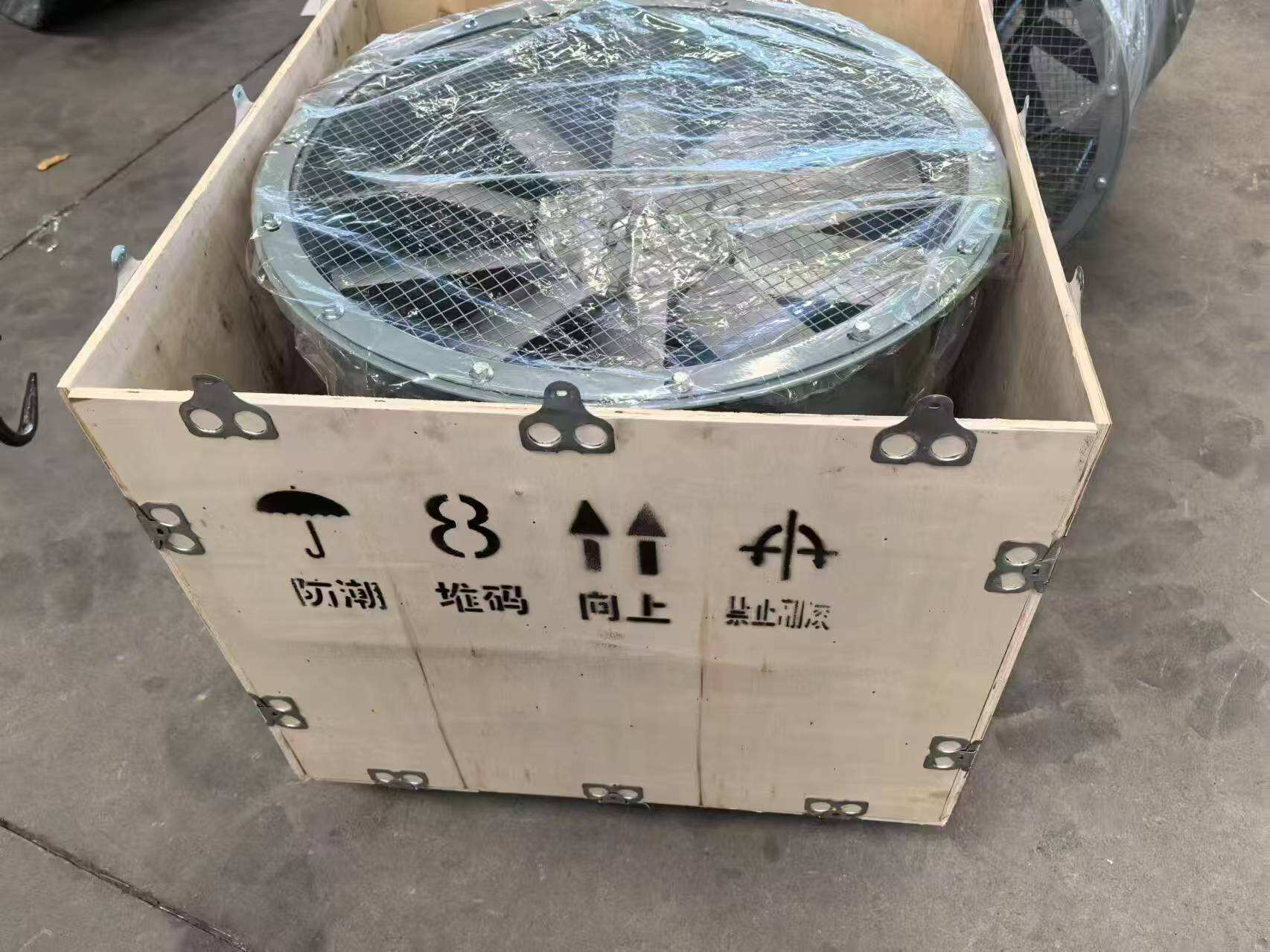
Aerodynamic Design Optimizations for Axial Fan Noise Control
Skewed Blades and Blade Gap Tuning to Suppress Turbulent Flow Noise
Noise from turbulent flow happens when air moves chaotically across blade surfaces. Blades that are skewed or angled unevenly along their axis tend to mess with the regular pattern of vortices forming, which cuts down on broad spectrum noise by around 30 to 40 percent compared to blades that are just straight. At the same time, getting the blade tip clearance right matters too. Keeping it between half a percent and 1.5 percent of the overall fan size helps minimize those annoying tip vortices. If the gap gets bigger than 2 percent, noise levels jump up by 3 to 5 decibels. On the flip side, making the gap too small creates more friction and produces harmonic noises instead. Back in 1993, Dobrzynski found out something interesting about blade spacing. When blades aren't evenly spaced, they break up the tonal resonance, leading to noise reduction of about 4 to 6 dB. These days, thanks to advanced computational fluid dynamics tools, engineers can simulate all these factors accurately. This lets them find the sweet spot between how quiet a system is and how well it moves air, which is crucial for commercial HVAC applications where both aspects matter.
Blade Count, Guide Vanes, and Casing Clearance Effects on Dipole Noise
The dipole noise we hear comes mainly from those pressure changes happening across both spinning blades and fixed parts of machinery. When engineers increase the number of blades from just three up to seven, this spreads out the aerodynamic forces and typically brings down noise levels somewhere between 2 and 4 decibels. However, going beyond nine blades actually creates more problems with interaction tones that can be quite annoying. Guide vanes placed in smart locations help capture some of that swirling energy while also calming things down further along the system. We've found through testing that putting these vanes about 1.2 times the rotor diameter away makes a noticeable difference, cutting noise another 3 to 5 dB. Getting casing clearances right matters too. Keeping those gaps under 1% of the blade length stops those pesky tip leakage vortices from forming. Some newer designs have managed impressive results with clearances as tight as 0.3%, dropping noise by around 7 dB. Research back in 2007 by Cattanei and colleagues showed something interesting too – when blades aren't spaced evenly apart, it actually reduces those harmonic pressure waves, which means fans produce less of that distinct tonal noise. Their tests saw reductions of about 6 dB in certain axial fan setups.
Passive Acoustic Treatments and Installation Strategies for Axial Fans
Duct Linings and In-Line Silencers for Downstream Sound Attenuation
Duct lining made from absorptive materials such as fiberglass or foam works by turning sound waves into heat energy, which helps cut down on those annoying mid to high frequency noises we often hear in ventilation systems. The effectiveness is pretty good too, around 10 to maybe even 15 decibels if the lining covers roughly five times the diameter of the duct going downstream from where it's installed. Then there are these inline silencers that work differently but still help reduce noise across all frequencies. They use special baffles inside that mess with how sound travels through them without actually slowing down the air movement much. Getting the best performance usually depends on proper placement and matching the right type of silencer to specific application needs.
- Use lining thickness >25 mm for effective attenuation below 500 Hz
- Maintain airflow velocities below 1500 FPM to prevent self-noise generation
- Install silencers within three duct diameters of the fan outlet
Inlet Flow Conditioning to Prevent Separation and Vortex-Induced Noise
Non-uniform inlet airflow triggers boundary layer separation and vortices—key contributors to low-frequency axial fan noise. Flow straighteners and honeycomb screens condition incoming air by:
- Reducing swirl angles to under 5°
- Eliminating velocity gradients exceeding 15%
- Stabilizing the boundary layer to prevent separation
Studies show such inlet conditioners cut turbulence-induced noise by up to 8 dB(A) while improving fan efficiency by 4–7%. To maximize effectiveness, ensure a straight duct run of at least two fan diameters upstream of the fan inlet.
Vibration Isolation and Mounting Solutions to Eliminate Structure-Borne Axial Fan Noise
Structure-borne noise remains a critical challenge in axial fan installations, where vibrations transfer through mounting points into building structures—often amplifying perceived noise despite aerodynamic optimizations. Effective solutions include:
- Elastic isolation mounts (e.g., rubber or neoprene) that decouple fan housings from support structures
- Spring isolators, preferred for heavy-duty applications requiring higher damping coefficients
- Precision alignment during installation to prevent imbalance-induced harmonics
Properly implemented vibration isolation reduces structure-borne noise by 8–12 dB(A) and extends bearing lifespan by mitigating mechanical stress. Calibrated isolators absorb over 90% of vibration energy before it reaches connected surfaces, significantly improving operational stability. For best results, combine isolation mounts with:
- Regular blade balancing to minimize excitation forces
- Structural reinforcement at mounting interfaces
- Continuous vibration monitoring via IoT sensors
This integrated approach targets the root cause—not just symptoms—making it essential for noise-sensitive environments like offices and laboratories, where regulatory limits often fall below 40 dB(A).
Intelligent Speed Control and Load-Adaptive Operation for Real-World Axial Fan Noise Reduction
EC Motor Integration: Balancing Sones Reduction with Thermal Demand Tracking
EC motors let axial fans change their rotation speed according to what the cooling system actually needs at any given moment. This helps cut down on noise levels while still keeping things cool enough. The fans have built-in controllers and temperature sensors that automatically slow them down when there's less work to do. For every 25% drop in speed, sound levels go down around 6 dB without affecting how well they keep things cool. There are two main advantages here: first, energy usage drops by as much as 60% when running slower, and second, the motors last longer since they experience less wear and tear from constant high speed operation. What makes EC tech really stand out is its ability to maintain accurate temperature control even as it reduces noise perception measured in sones. That's why these systems work so well in places where steady, silent airflow matters most like offices or labs where people need concentration without background noise distractions.
FAQ
What are skewed blades in axial fans?
Skewed blades are designed with an uneven angle along their axis, which helps disrupt the formation of regular vortices and significantly reduces broad spectrum noise.
How important is blade tip clearance in reducing fan noise?
Maintaining the right blade tip clearance is crucial. A clearance of 0.5-1.5% of the fan's size helps minimize noise, while gaps over 2% can increase noise levels significantly.
What role do guide vanes play in noise reduction?
Guide vanes help capture swirling energy and can further reduce noise when placed correctly, often leading to a 3-5 dB reduction when aligned properly with the rotor diameter.
Why is vibration isolation critical for axial fan noise control?
Vibration isolation minimizes the transfer of structure-borne noise into building structures, reducing noise by 8-12 dB(A) and ensuring operational stability.