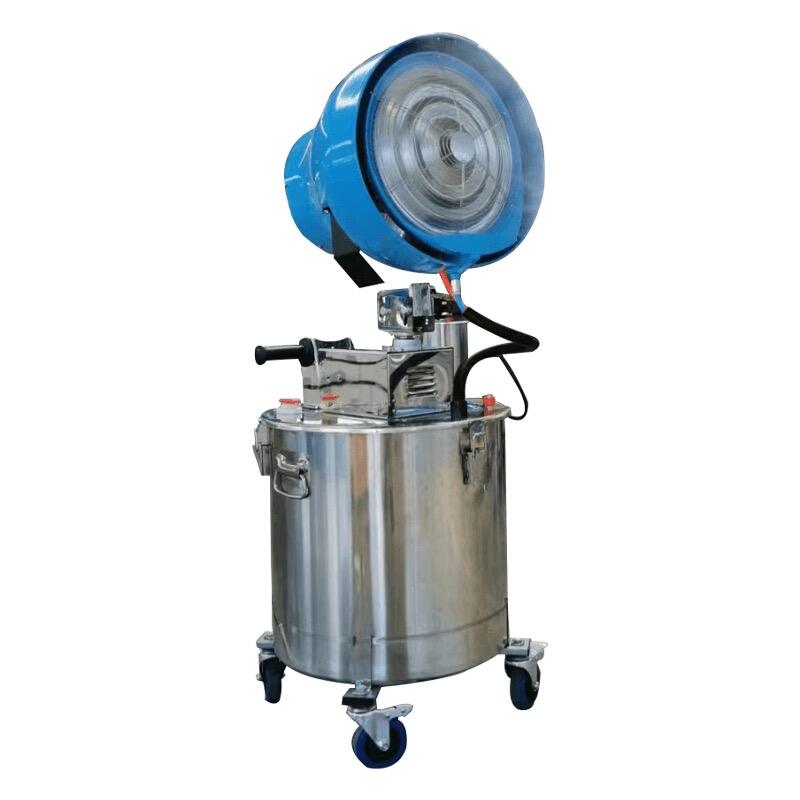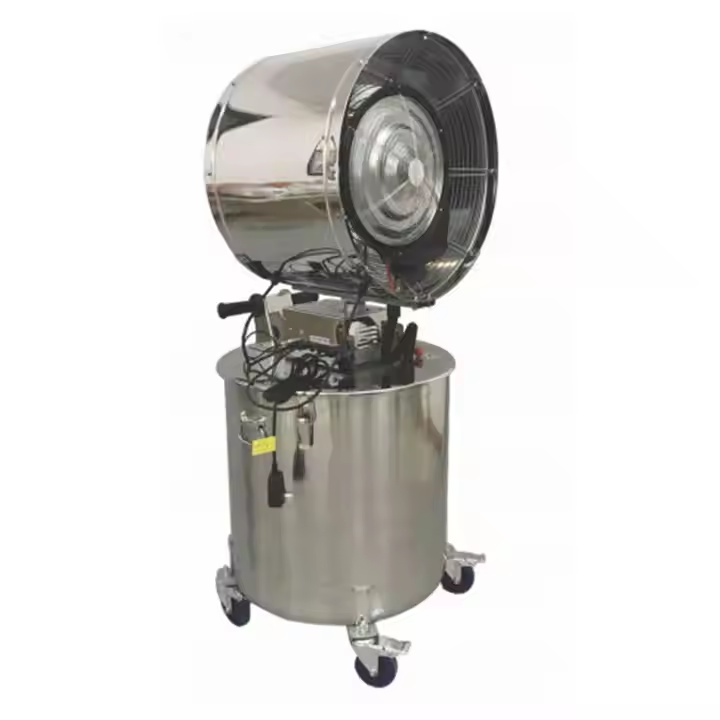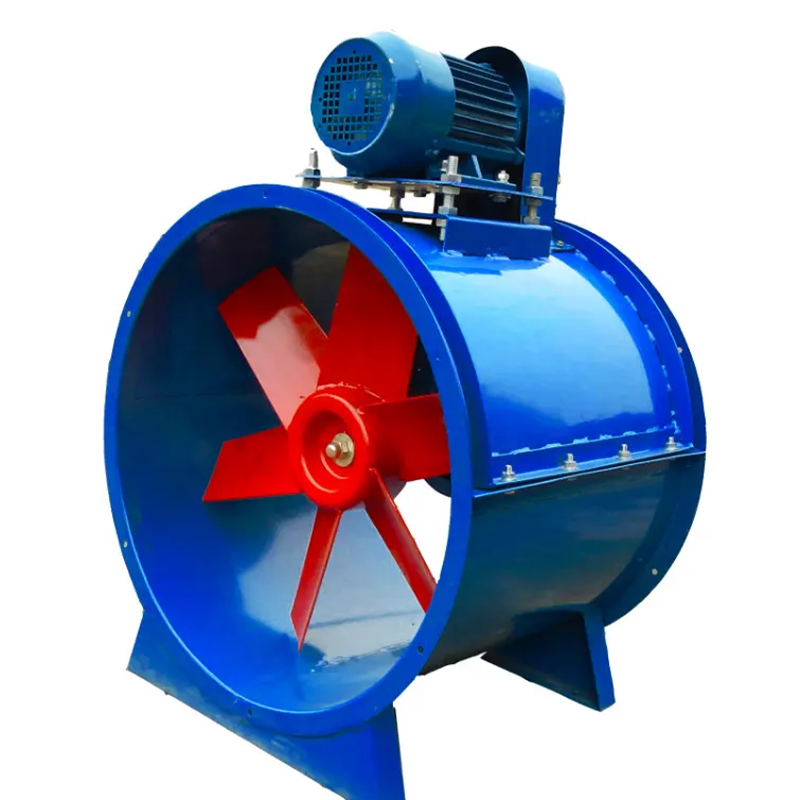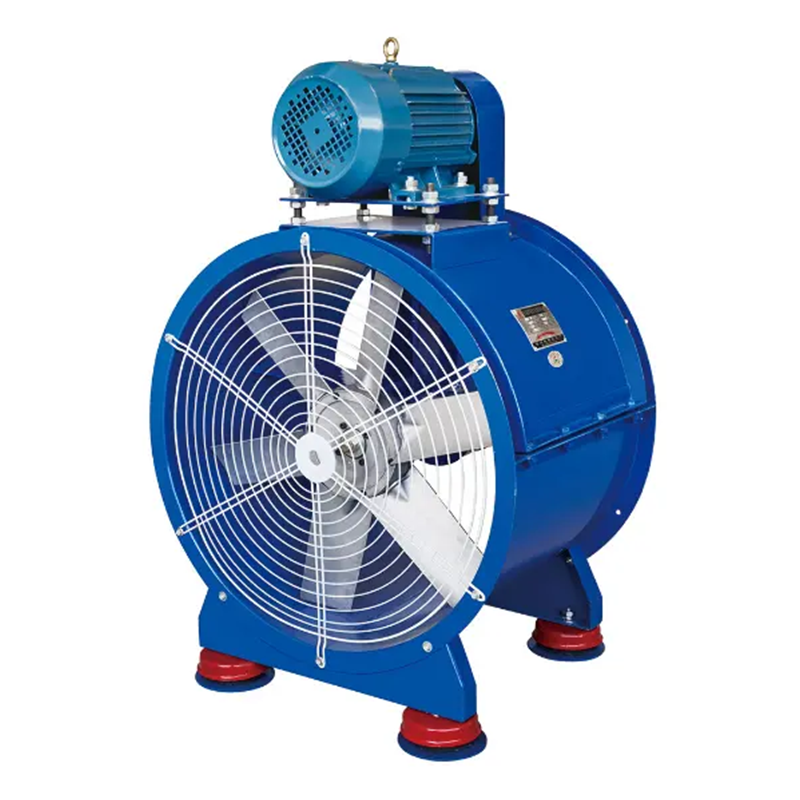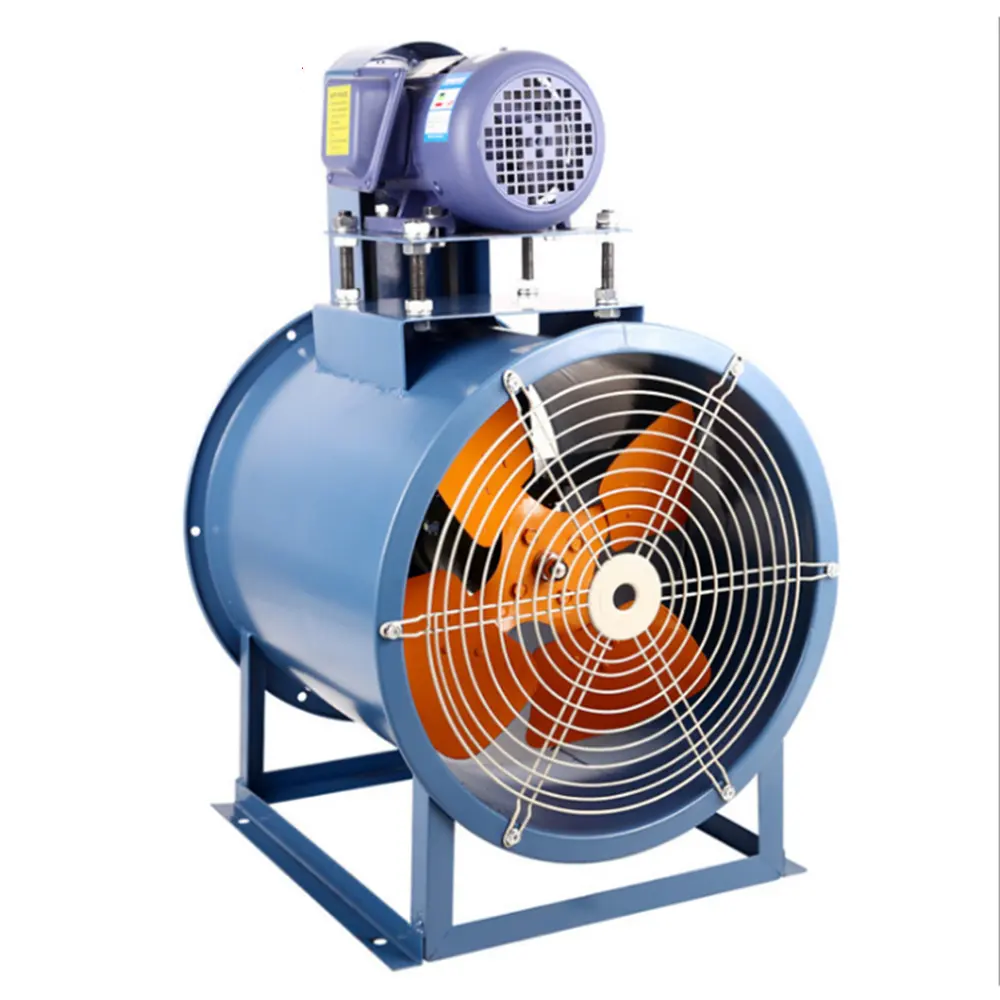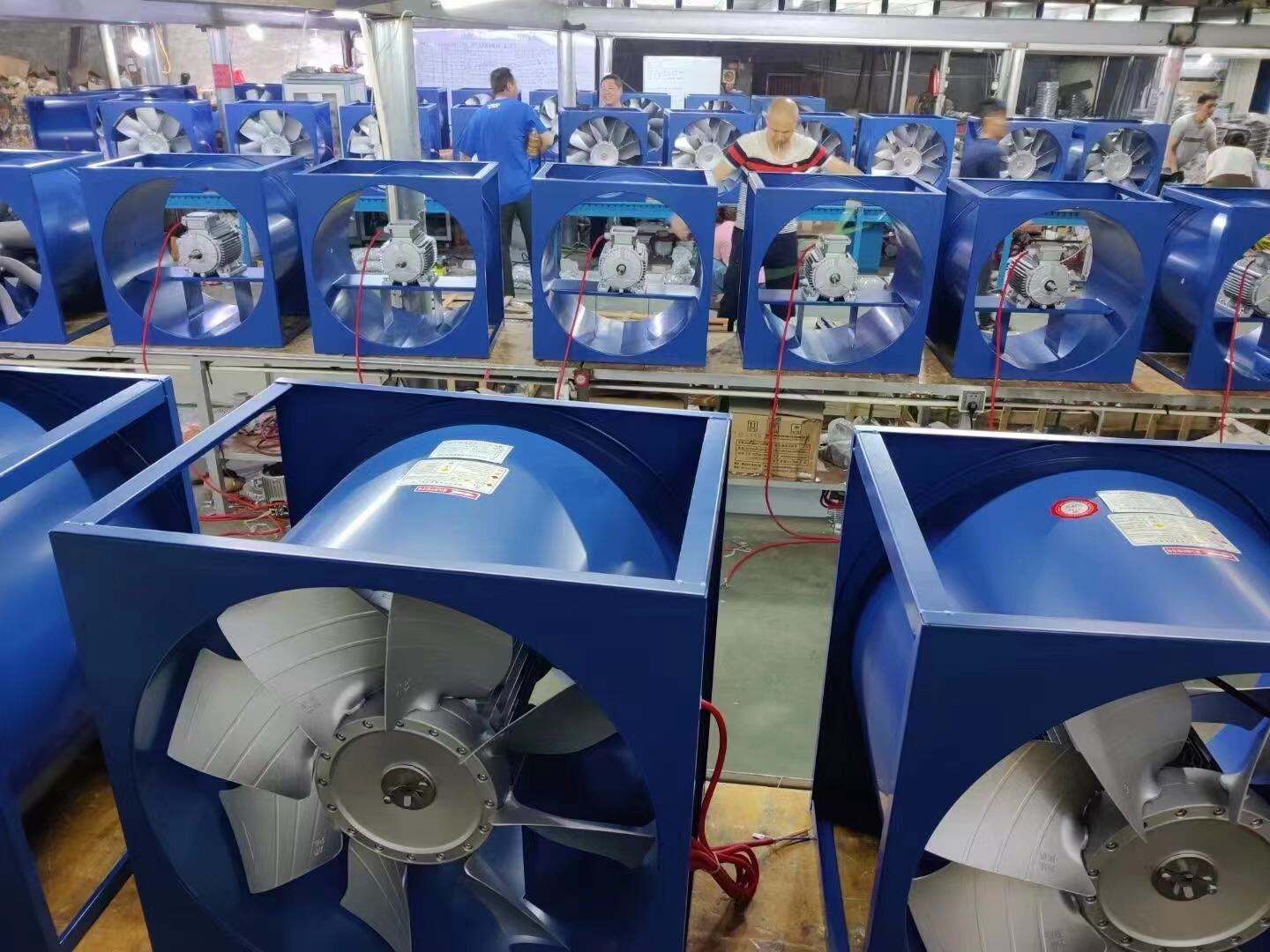
Axial fans represent a class of mechanical devices designed to move air or gas in a direction parallel to the fan's rotational axis. This unique design feature distinguishes them from other types of fans, such as centrifugal fans, and offers several advantages in terms of airflow efficiency and energy consumption. One of the primary applications of axial fans is in industrial ventilation systems. In factories and manufacturing plants, axial fans are used to exhaust hot air and fumes, replacing them with fresh outdoor air. This process is essential for maintaining a safe and healthy working environment, as it helps prevent the buildup of harmful gases and reduces the risk of fire and explosion. For example, in a chemical plant, axial fans are installed to ventilate areas where hazardous chemicals are stored or processed, ensuring compliance with safety regulations and protecting workers from exposure to toxic substances. In the agricultural sector, axial fans are widely used for livestock ventilation. Large-scale poultry and dairy farms rely on axial fans to provide adequate air exchange and temperature control within barns and sheds. These fans help remove excess heat and moisture, reducing the risk of heat stress and respiratory diseases in animals. By maintaining optimal environmental conditions, axial fans contribute to improved animal welfare and productivity. For instance, in a dairy farm, axial fans are used to cool cows during hot weather, increasing milk production and reducing the incidence of mastitis. Axial fans also find applications in commercial buildings, where they are used for general ventilation and air conditioning. In shopping malls, office buildings, and hotels, axial fans are installed in air handling units to distribute conditioned air throughout the building. The high airflow rates and low pressure drops of axial fans make them suitable for large-scale ventilation projects, where they can efficiently move large volumes of air with minimal energy consumption. Additionally, axial fans are used in roof ventilation systems to exhaust hot air from the building, improving indoor air quality and reducing the load on air conditioning systems. The energy efficiency of axial fans is a key factor in their widespread adoption. Compared to other types of fans, axial fans consume less power while delivering similar or higher airflow rates. This makes them an attractive choice for businesses looking to reduce their energy costs and environmental impact. The use of advanced materials and manufacturing techniques has further improved the efficiency and durability of axial fans, ensuring reliable performance over extended periods. In the field of renewable energy, axial fans are used in wind turbine cooling systems. As wind turbines generate electricity, they also produce heat, which can affect their performance and lifespan. Axial fans are installed near the generator and other components to dissipate heat, ensuring efficient operation and prolonging the life of the turbine. The compact and lightweight design of axial fans makes them easy to integrate into wind turbine designs, reducing installation and maintenance costs.
10
Jul
21
Jul
21
Jul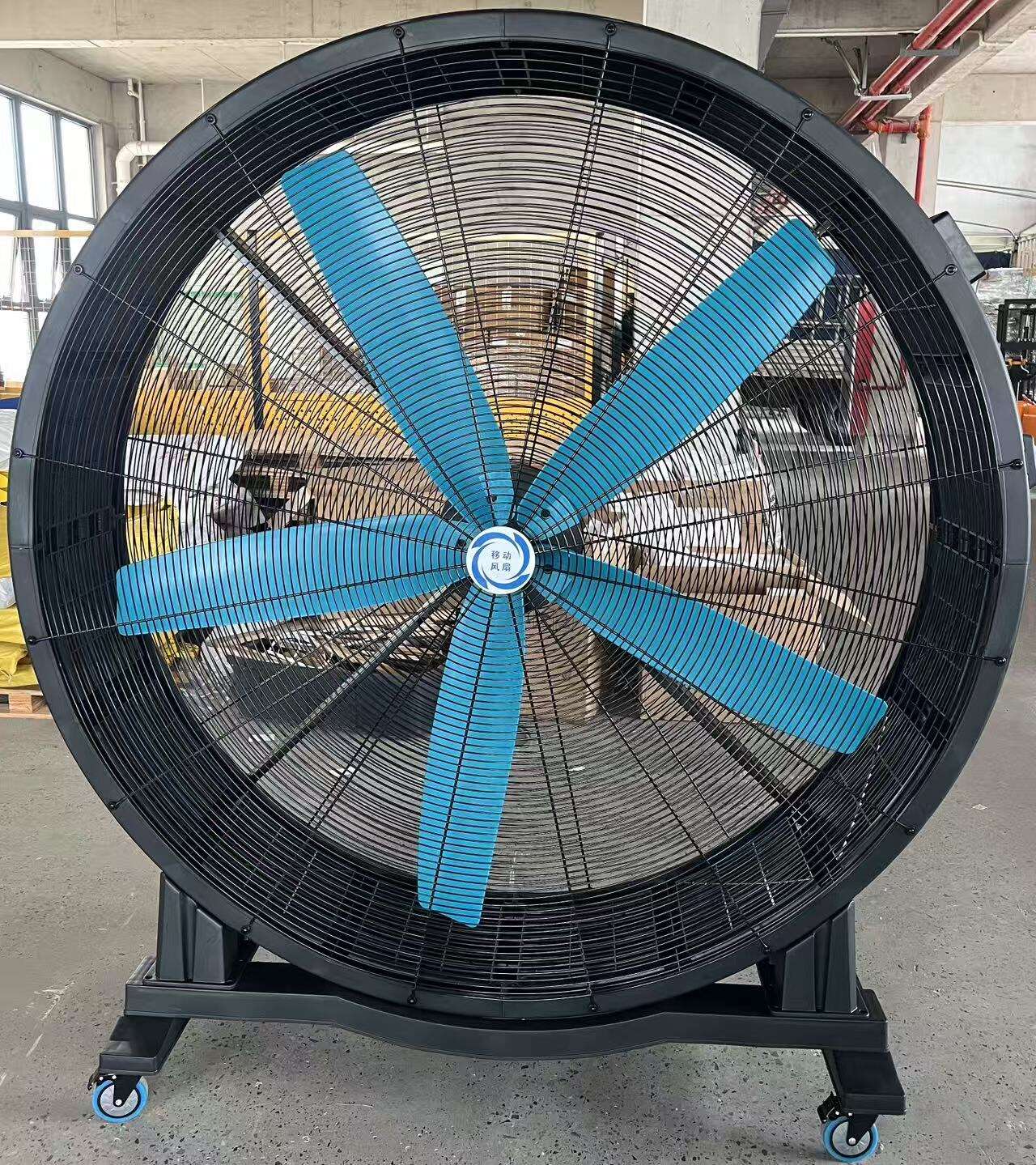
21
Jul

Copyright © 2025 by Qingdao Pengsheng Electric Appliance Co., Ltd. Privacy policy
 EN
EN