 EN
EN

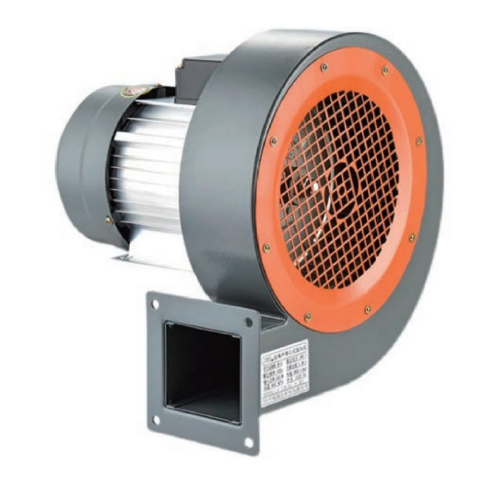
Exhaust Fan Types and Ideal Applications by Space
Ceiling-Mounted vs. Wall-Mounted Exhaust Fans: Matching Design to Room Layout and Airflow Needs
Ceiling mounted exhaust fans fit right into the ceiling above small areas such as bathrooms or narrow hallways. They work by using vertical ducts to get rid of dampness and bad smells effectively. These fans save space which makes them great for rooms that have access to an attic but not much room along the walls. For kitchens or bathrooms on the ground floor, wall mounted units make more sense since they go straight onto outside walls. Horizontal venting works better here because the ducts don't need to be so long. According to standards set by ASHRAE 62.2, these wall mounted versions can actually remove air about 15 to 20 percent faster in tight spaces. The reason? Shorter duct runs mean less resistance and fewer turns in the system.
Ducted vs. Ductless Exhaust Fans: When Venting Outside Is Required — and When It’s Not
Building codes generally require ducted exhaust fans in areas prone to moisture buildup such as bathrooms, steam rooms, and laundry spaces. The main reason? Venting directly outdoors helps prevent mold growth, wood rot, and poor indoor air quality issues. Most systems work with either rigid metal ducts or flexible plastic ones running from the fan to the outside wall. Now ductless models exist too, these recirculating units use carbon filters to mask bad smells but they won't actually lower humidity levels in the room. This is a big problem according to tests run by manufacturers themselves plus what the EPA says about controlling moisture in homes. For this reason, ductless fans should really only be used in small spaces with minimal water exposure like tiny powder rooms or half baths where local building regulations allow air to simply circulate back into the space instead of being expelled.
Specialized Exhaust Fans: Inline, Window, and Smart Models for Niche Ventilation Demands
- Inline exhaust fans mount within ceiling or wall cavities, delivering high-CFM (200+) performance with minimal noise—ideal for master bathrooms or multi-point ducted systems.
- Window exhaust fans offer non-invasive, retrofit ventilation for apartments or historic homes without duct infrastructure; adjustable frames ensure secure, temporary installation.
- Smart exhaust fans integrate humidity sensors and app-based controls to auto-adjust runtime, maintaining target relative humidity levels aligned with EPA-recommended indoor air quality thresholds.
Sizing Your Exhaust Fan by CFM: Accurate Calculations for Bathrooms, Kitchens, and Laundry Rooms
Room-Specific CFM Guidelines (Per ASHRAE 62.2 and IRC Standards)
Accurate sizing begins with calculating CFM (Cubic Feet per Minute) using room volume and mandated Air Changes per Hour (ACH). ASHRAE 62.2 and the International Residential Code (IRC) specify minimum ACH rates:
- Bathrooms: 8–10 ACH to manage humidity from showers and baths
- Kitchens: 15–20 ACH to capture cooking fumes, grease, and heat
- Laundry rooms: 8–10 ACH to address evaporative moisture from dryers and wet loads
Use this formula:CFM = (Length × Width × Height × ACH) ÷ 60
For example, a 10×8×8 ft kitchen requiring 15 ACH needs:(10 × 8 × 8 × 15) ÷ 60 = 160 CFM
CFM Calculation Reference Table
| Room Type | Min. ACH | Dimensions (L×W×H) | CFM Calculation | Result |
|---|---|---|---|---|
| Bathroom | 8 | 8×7×8 ft | (8×7×8×8)÷60 | 60 CFM |
| Kitchen | 15 | 12×10×9 ft | (12×10×9×15)÷60 | 270 CFM |
| Laundry | 8 | 6×6×8 ft | (6×6×8×8)÷60 | 39 CFM |
Motor Efficiency Reality Check: Why Wattage Alone Doesn’t Define Exhaust Fan Performance
Higher wattage does not guarantee greater airflow. True performance hinges on motor efficiency and aerodynamic design. Research shows two 30W fans can differ by 15–20% in actual CFM output due to:
- Brushless DC motors delivering up to 30% more airflow than comparable AC motors
- Optimized blade geometry reducing turbulence and energy loss
- Precision bearings minimizing mechanical friction
Instead of focusing on wattage, compare CFM-per-watt ratios: premium units achieve 4–5 CFM/watt, while standard models average 2–3 CFM/watt—demonstrating that component engineering—not raw power—drives real-world ventilation efficacy.
Proper Exhaust Fan Installation: Ducting, Placement, and Code Compliance
Strategic Mounting Location: Maximizing Humidity and Odor Removal in High-Moisture Zones
For best results, place exhaust fans no more than three feet away from where moisture tends to collect most, like right above shower areas or positioned over cooking surfaces. Keep at least eight to twelve inches between the fan unit and surrounding structures such as walls, support beams, or insulation materials so air can flow freely without getting blocked. When installing in kitchen spaces, try positioning the fan a little off center towards the stove area instead of placing it exactly in the middle. This small adjustment helps cut down on greasy residue accumulation around the fan housing by roughly thirty percent while also capturing more steam effectively. Don't forget to mount these units above existing insulation layers inside ceilings to stop unwanted condensation problems from developing inside those hidden spaces later on.
Duct Material, Length, and Bends: How They Impact Real-World Exhaust Fan Efficiency
Metal ductwork made from rigid materials maintains around 95 percent airflow efficiency, while those ribbed flexible types tend to fall down to about 65% because they create more resistance inside and can actually collapse under pressure. When installing these systems, it's best practice to keep the entire length of duct run below fifteen feet, and limit ourselves to just two right angle bends maximum since every turn cuts down on airflow capacity by roughly a quarter. The duct should slope downwards approximately one fourth of an inch for each running foot towards where it exits outside, which helps stop water from collecting inside and causing problems later on. To meet building codes like what's outlined in IRC Section M1503, make sure we install proper fire rated caps either on roofs or walls, and absolutely avoid using regular tape for sealing connections between sections. Instead, apply good quality mastic sealant across all joints so there aren't any gaps letting conditioned air escape, something that not only hurts system performance but also puts us at risk of failing inspections down the road.
Energy Efficiency, Noise Control, and Total Cost of Ownership
When shopping for an exhaust fan, don't get caught up in the sticker price alone. Look at what it'll actually cost over time instead. The U.S. Department of Energy found that ENERGY STAR certified models can slash electricity bills by around 60% compared to regular ones, which adds up nicely after a few years. And let's talk about noise levels too. Fans with ratings under 1.0 sone run so quiet they won't bother anyone trying to sleep or concentrate in their home office. Total cost of ownership isn't just about buying something cheap now either. It covers all these factors plus maintenance costs and how long the fan will last before needing replacement.
- Energy expenses: High-efficiency motors lower monthly utility costs
- Maintenance: Sealed, lubrication-free bearings reduce service frequency
- Durability: Damp-resistant housings and corrosion-resistant components extend service life
- Operational reliability: Quiet, consistent operation ensures users run fans as needed—critical for moisture control
Ignoring TCO risks up to 40% higher lifetime costs from inefficiency, premature failure, and inconsistent usage (Facilities Management Journal, 2022). Balance initial investment with verified efficiency ratings, acoustic performance, and build quality to optimize both ventilation effectiveness and long-term value.
FAQs About Exhaust Fans
What is the main difference between ceiling-mounted and wall-mounted exhaust fans?
Ceiling-mounted fans are ideal for spaces with attic access and limited wall space, using vertical ducts to remove dampness and odors. Wall-mounted fans are better for ground floor areas, utilizing horizontal venting for efficient airflow.
When should I use a ductless exhaust fan?
Ductless exhaust fans are best for small spaces with minimal water exposure, like powder rooms or half baths, where air can recirculate back into the space. They are not suited for areas with high moisture levels.
How do I calculate the required CFM for my room?
Use the formula: CFM = (Length × Width × Height × ACH) ÷ 60. Determine the minimum ACH for your room type, and use the dimensions to calculate the necessary CFM.
Does higher wattage mean better exhaust fan performance?
No, higher wattage does not guarantee better performance. Focus on motor efficiency and CFM-per-watt ratios for true effectiveness. Premium units offer 4–5 CFM per watt compared to 2–3 for standard models.
Table of Contents
- Exhaust Fan Types and Ideal Applications by Space
- Sizing Your Exhaust Fan by CFM: Accurate Calculations for Bathrooms, Kitchens, and Laundry Rooms
- Proper Exhaust Fan Installation: Ducting, Placement, and Code Compliance
- Energy Efficiency, Noise Control, and Total Cost of Ownership
- FAQs About Exhaust Fans