 EN
EN

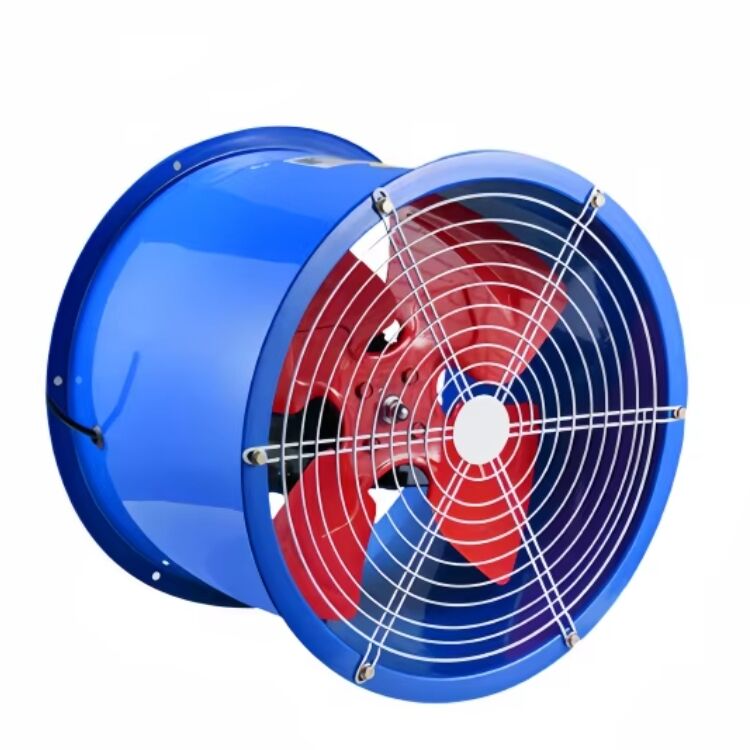
Why Static Pressure Limits Kitchen Hood Airflow – and How Duct Fans Fix It
The Hidden Bottleneck: How Duct Length, Bends, and Restrictions Crush CFM
The invisible force of static pressure really limits how well kitchen hoods actually perform. Ductwork, those elbow bends, and even filters all create resistance that makes the main blower work much harder while cutting down on real airflow. The longer the horizontal duct runs get, the worse things become because friction builds up fast. We're talking about something like 0.1 to 0.3 inches of water column resistance for every extra 10 feet added. Those sharp 90 degree bends aren't any better either. According to the ASHRAE Fundamentals book, each one can add around half an inch of water column resistance. Then there's the grease filters and wall caps too, which just pile on more resistance until the total drops the rated cubic feet per minute by as much as 40% when installed properly. What happens when static pressure gets too high for the blower to handle? The airflow basically stops working right. A hood that was supposed to move 600 CFM might only manage 350 CFM at best, leaving behind smoke and bad smells. That's why those nice numbers from the lab tests never seem to match what happens after installation in most kitchens.
Duct fans as targeted pressure-boosting solutions: inline vs. booster placement strategies
When dealing with static pressure issues in duct systems, strategically placed fans make all the difference. Inline fan models are typically installed somewhere along the middle of the duct run. These units help maintain airflow speed over longer distances, kind of like a second pumping station that fights back against the inevitable loss of momentum caused by friction in the system. Then there's the booster configuration approach which focuses on problem spots where resistance builds up. Think about those tricky areas right after several bends in the ductwork or just before it goes straight up vertically towards a ceiling, or even near the end caps. Getting these boosters positioned correctly can really turn things around for system performance.
- Inline installations: Best for straight duct extensions exceeding 15 feet
- Booster placements: Ideal after three or more bends or before restrictive terminations
A properly integrated duct fan reduces system pressure by 0.2–0.5 in. WC, recovering 22–47% of lost CFM in complex layouts—data validated by ASHRAE Research Project RP-1732. This turns struggling hoods into code-compliant performers without replacing the entire system.
Maximizing Real-World Exhaust Performance with Duct Fan Integration
CFM gains validated: +22–47% improvement in long or complex duct runs
Lab testing tends to miss the mark when it comes to actual airflow problems in real world settings. According to ASHRAE RP-1732 research, duct fans can actually regain lost performance in commercial kitchen environments. When ductwork goes beyond 15 feet or has several bends, regular exhaust systems usually end up losing between 30 to 60 percent of their laboratory measured CFM ratings. Field tests have consistently shown improvements ranging from 22 to 47 percent whenever these duct fans are properly installed and sized for the job. The boost in pressure becomes especially noticeable in certain setup arrangements that include specific characteristics.
- Three or more 90° elbows
- Duct diameters below 10 inches
- Horizontal runs exceeding 20 feet
The data confirms duct fans bridge the gap between theoretical design and actual ventilation outcomes—especially as grease accumulation gradually constricts ducts over time.
Bridging the gap between lab-rated and installed performance — duct fan’s role in delivery assurance
Manufacturer CFM ratings assume ideal conditions: short, straight, clean ducts with no bends or obstructions. In practice, three critical variables degrade performance:
- Duct compression from structural obstructions (e.g., joists, beams, soffits)
- Air viscosity changes during high-temperature operation
- Accumulated resistance from grease buildup
Duct fans help maintain that extra bit of static pressure needed so hoods can keep up with their intended air exchange rates. Take away these fans and even top quality systems will struggle, often running at only around half to three quarters of what they're supposed to handle in real world setups. What makes this tech really valuable is how it takes ventilation performance out of the hands of building design limitations. No matter how complicated the ductwork gets, contaminants still get removed predictably and efficiently. That's why many facilities rely on this setup when dealing with complex spaces or retrofitting older buildings.
Optimizing Kitchen Ventilation Systems for Efficiency and Control
Sizing and selecting the right duct fan for your hood’s airflow range (100–400+ CFM)
Getting the right size matters a lot when it comes to ventilation systems. Units that are too small can't handle the static pressure in long or complicated duct runs, which cuts down on actual airflow by around 25 to 40 percent. On the flip side, going too big just creates unnecessary noise and wastes power. Most home kitchens need something in the range of 100 to 300 CFM, so compact inline fans usually work fine there. But when dealing with commercial grade hoods above 400 CFM, we're talking about needing serious boosters built for tough pressure situations. The key thing? Make sure the fan's pressure curve matches what the duct system is resisting against. Otherwise, the desired airflow won't happen no matter what conditions arise. When this matching doesn't happen, problems pop up all over the place including grease getting pulled back into the kitchen, bad smells not being captured properly, and hoods acting differently depending on how busy they get during service hours.
Demand-Controlled Ventilation (DCV) with smart duct fan modulation
Demand Controlled Ventilation changes how we think about exhaust systems from something static to something that actually responds to what's happening in the kitchen. These systems use all sorts of sensors for heat, smoke particles and other stuff in the air to adjust the speed of fans in ducts as they go along. The energy savings are pretty impressive too around 30 to 50 percent less than those old fixed speed systems. When someone is doing intense cooking like searing meat at high temperatures, the airflow increases automatically to grab all those smoky compounds before they spread everywhere. But when things slow down to just simmering soups or sauces, the system backs off so there's less noise and wasted power. Combine this technology with smart hood controls and suddenly everything works together like clockwork delivering exactly the right amount of fresh air precisely where and when it matters most in commercial kitchens across the country.
FAQ
-
What is static pressure in kitchen ventilation?
Static pressure is the resistance to air flow within ductwork caused by friction, bends, and obstructions, which limits the effectiveness of kitchen hoods. -
How can duct fans help improve kitchen ventilation?
Duct fans, either inline or as boosters, help overcome static pressure barriers by maintaining airflow speed and improving the overall performance, especially in complex duct layouts. -
What should I consider when selecting a duct fan for my kitchen?
It's important to choose a fan that matches the static pressure resistance of your duct system. The size of the fan should align with your hood's airflow requirements to prevent noise and power waste. -
What are the benefits of Demand-Controlled Ventilation?
Demand-Controlled Ventilation adjusts fan speeds based on kitchen conditions, reducing energy consumption by 30 to 50 percent and effectively managing air quality during different cooking activities.