 EN
EN

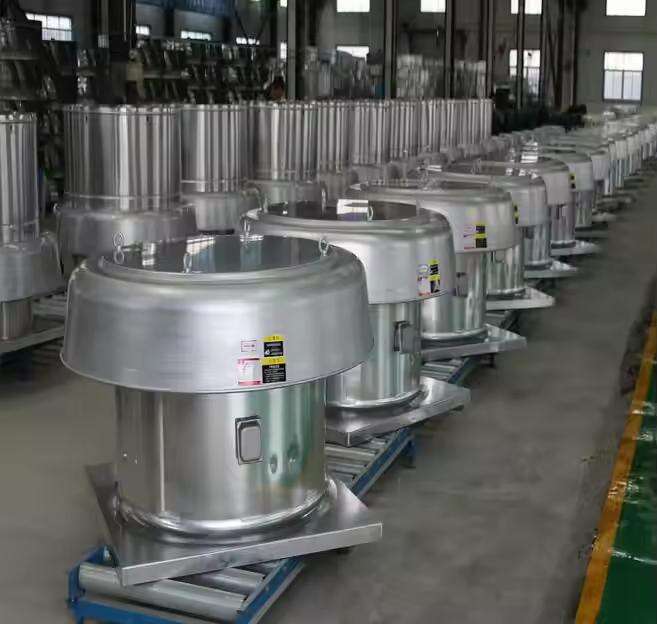
How to Size an Extractor Fan for Small Labs and Workshops
Calculating Required CFM Based on Air Changes per Hour (ACH) and Room Volume
Getting the right size starts by figuring out how much air needs to move through the space measured in cubic feet per minute, or CFM for short. To begin, measure the total volume of the room by multiplying length times width times height. According to OSHA guidelines, labs working with dangerous substances should aim for between 8 and 10 air changes every hour. Take the room volume number and multiply it by this target rate, then divide what you get by 60 to find the actual CFM needed. Let's say we have a lab that's 10 feet long, 12 wide and 8 high. That gives us 960 cubic feet. If we need those 10 air changes per hour, our math looks like this: 960 multiplied by 10 equals 9600, divided by 60 minutes in an hour gives us around 160 CFM as our starting point. But wait! Don't forget to tweak this number based on just how risky the materials are and how much resistance the ducts create in the system.
Matching Extractor Fan Capacity to Hazard Type and Task Duration
Different types of hazards need different levels of ventilation. When working with volatile solvents, we generally need about 30 to 50 percent more cubic feet per minute (CFM) compared to tasks that generate dust because these substances spread through the air so quickly. For jobs that last longer than an hour straight, it's important to install fans designed for constant running instead of just ones that handle short bursts at maximum power. Take soldering as an example. A basic 200 CFM fan works fine for occasional use, but when dealing with chemicals continuously throughout the day, something stronger becomes necessary. Many setups end up needing around 300 CFM or more along with backup systems to monitor airflow consistently. Always remember that reliable long term performance matters more than chasing after the highest possible specifications on paper.
Ducted vs. Ductless vs. Local Exhaust Ventilation: Choosing the Right Extractor Fan System
When Ducted Extractor Fans Deliver Superior Safety and Compliance
For labs dealing with dangerous fumes, ducted extractor fans offer superior protection since they continuously vent harmful substances outside instead of letting them linger indoors. The system works really well at stopping the accumulation of toxins which is especially important when working with solvents or cancer-causing chemicals. Plus, these fans meet OSHA requirements about keeping certain airborne dangers completely contained within the lab environment. Compared to recirculating units that just push air around inside, ducted systems actually get rid of contaminants entirely and reduce problems related to filters getting dirty or improperly maintained. Labs that process formaldehyde or perform acid etching need these full exhaust systems because even tiny amounts of chemical residue floating back into the workspace can cause serious health issues over time. When lab conditions start approaching those legal exposure thresholds set by OSHA, switching to a proper ducted setup becomes not just smart but absolutely necessary from both safety and compliance standpoints.
Ductless Extractor Fans with Carbon Filtration: Use Cases and Limitations
Ductless extractors equipped with activated carbon filters work well in temporary setups or lower risk areas such as soldering benches. These systems trap dust particles and absorb some light organic fumes via those cartridge replacements we all know about. Great option when running ductwork isn't feasible for whatever reason. But watch out for saturated filters. The carbon inside just stops working so well over time with VOCs, which means workers might end up breathing in stuff they shouldn't during long shifts. Not suitable at all for dealing with nano particles, acid fumes, or anything really concentrated like what happens in chromium plating shops or places mixing epoxy resins. To get good results from these units, maintenance folks need to stick religiously to those filter change intervals and keep checking the air quality regularly too.
Local Exhaust Ventilation (LEV) as a Targeted Extractor Fan Solution for Benchtop Hazards
Local exhaust ventilation systems grab pollutants right where they start at lab benches or wherever chemicals react before they can spread around the workspace. When those hoods or extraction arms are placed just about 15 centimeters away from where stuff gets released, these systems manage to catch around 90 to 95 percent of dust particles and mist without needing as much airflow as full room ventilation systems do. What makes this method so efficient? It cuts down on energy usage by roughly 40% when compared with those big ceiling mounted units, yet still keeps workers safe when handling powders or pouring solvents. The system works because it adjusts how fast air moves through it between half a meter per second and two and a half meters per second depending on what kind of risk level we're dealing with. But here's the catch: if the equipment isn't positioned correctly or there are weird air movements happening nearby, the whole thing becomes less effective at keeping harmful substances contained.
Hazard-Specific Filtration and Extractor Fan Compatibility
Selecting appropriate filtration for your extractor fan is essential when managing airborne hazards in small labs and workshops. Without hazard-specific filtration, contaminants bypass the systemâexposing workers to risks like respiratory damage from toxic dust or combustion from ignitable particles. For example:
- HEPA (High-Efficiency Particulate Air) filters capture 99.97% of fine particulates â¥0.3 microns (e.g., silica dust)
- Activated carbon filters adsorb organic vapors and acidic gases from solvents
- Spark-resistant aluminum housings paired with EX-rated motors prevent ignition in explosive environments
When filtration systems don't match what they're supposed to handle, safety gets compromised fast. Take standard dust filters used for chemical fumes as an example they typically miss around 60 to 80 percent of those volatile compounds floating around. For places working with things like magnesium or aluminum powders that catch fire so easily, regular filters just won't cut it. Specialized equipment such as wet scrubbers or filters treated against flames becomes absolutely necessary. Check those important certifications like ATEX or IECEx when dealing with potentially explosive situations. Make sure whatever equipment is installed actually complies with the right zone standards for dust risks (Zone 20/21 specifically). Getting the right filtration setup based on actual hazard characteristics particle sizes, how toxic something is, whether it burns or not isn't optional if companies want to stay compliant and keep workers safe.
Reliability, Control, and Safety Features in Small-Space Extractor Fans
Variable-Speed Controls vs. Fixed-Speed Operation for Consistent ACH and Energy Savings
The variable speed controls allow for adjustments that keep Air Changes per Hour (ACH) levels stable, which is really important for good ventilation in lab spaces where people work with potentially dangerous substances. Traditional fixed speed systems are either running at full blast or turned off entirely, whereas these newer variable speed setups adjust how fast the fans spin depending on what's actually needed at any given moment. Labs can save around half their energy costs compared to those old on-off cycles, plus they get better air quality all day long. When there aren't many experiments going on, the fans just tick along slowly, saving electricity but still keeping things safe from hazardous fumes. The older fixed speed approach tends to cause big jumps in energy usage and creates all sorts of problems with maintaining proper ACH rates. That means higher bills for facility managers and sometimes unsafe conditions too. More and more research facilities are switching to variable speed tech because it makes financial sense and helps protect workers from exposure risks.
Critical Redundancy and Alarm Integration for Uninterrupted Hazard Mitigation
When main systems fail, redundant parts kick in without needing any manual intervention. These include things like backup fans or second motors that take over when needed to keep air moving properly. The alarm system watches everything constantly too, letting people know if there's a problem with filters getting clogged or airflow stopping suddenly through either sound or lights. Small research labs especially need this kind of protection against dangerous stuff like chemicals or dust particles floating around. Just a short break in ventilation can put staff at serious risk. Automatic switching between systems plus those instant alerts really make a difference in safety procedures. Labs with these protections see fewer accidents involving harmful substances. For facilities working with hazardous materials, having multiple layers of defense isn't just good practice it's often required by law to protect everyone onsite.
FAQ
Why is it important to calculate CFM for an extractor fan?
Calculating CFM is crucial as it determines how much air needs to be moved to ensure proper ventilation and safety in labs or workshops. Correct CFM sizing ensures the effectiveness of the extractor fan system and complies with OSHA guidelines.
What are the benefits of ducted extractor fans?
Ducted extractor fans are advantageous because they permanently remove harmful substances from the indoor environment, meeting safety and compliance standards, particularly when handling hazardous materials.
When should ductless extractor fans be used?
Ductless fans are suitable for temporary setups or areas with lower risk hazards like soldering. However, they require frequent maintenance and are not suitable for handling concentrated fumes or nano particles.
What is Local Exhaust Ventilation (LEV)?
LEV targets pollutants directly at the source, using hoods or extraction arms to efficiently capture hazardous particles, minimizing energy use and enhancing safety.
Why should filtration systems be hazard-specific?
Hazard-specific filtration systems effectively remove airborne contaminants specific to the materials processed in the lab, safeguarding workers from risks like respiratory damage or ignition hazards.