 EN
EN

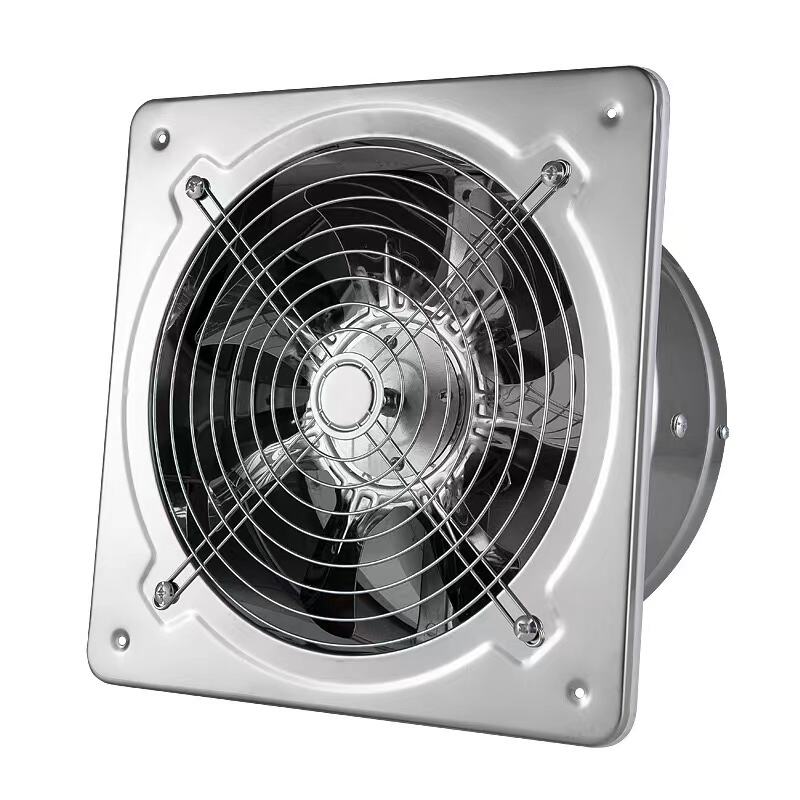
Secure Wall Fan Mounting for Structural Integrity and Vibration Control
Matching Bracket Type and Anchoring Method to Wall Material (Drywall, Concrete, Stud-Mounted)
Getting the right mounting hardware matters a lot if we want to avoid things falling off unexpectedly. When dealing with drywall, those toggle bolts or snap toggles work best because they spread out the weight into the empty spaces behind the wall. Don't try to hang heavy stuff just on the actual drywall itself though, that never ends well. For concrete walls, go with wedge anchors or sleeve anchors that stick in about an inch and a half deep. If there's lots of vibration happening around where something needs to be mounted, like near machinery or in industrial areas, adding some epoxy filler to regular M10 plus anchors makes sense too. Steel studs require special attention. Fine threaded self drilling screws designed specifically for thin gauge metal are pretty much mandatory here. Pair these with reinforcement plates so nothing pulls through over time. Experience shows this combination works far better than trying cheaper alternatives.
Key hardware guidelines:
- Drywall: Anchors rated for ¥100 lbs with load-spreading backplates
- Concrete: M10+ anchors with epoxy where vibration or dynamic loads exceed typical residential use
- Steel Studs: Screws designed for structural metal framing, not drywall-only fasteners
Mismatched hardware accounts for 38% of mounting failures (Building Safety Journal, 2023). Always confirm wall composition using a reliable stud finder and material probe before drilling.
Vibration Dampening Techniques and Load-Distribution Strategies to Prevent Long-Term Failure
Uncontrolled oscillations accelerate metal fatigue, loosen fasteners, and degrade bracket integrity over time. Integrate vibration isolation at the interface between bracket and fan housing using:
- Rubber grommets (70–90 durometer) for lateral movement absorption
- Spring-loaded dampers in industrial or high-CFM applications
- Neoprene pads beneath mounting plates to decouple rigid connections
Triangulated bracketing systems distribute kinetic energy more evenly, reducing localized stress concentrations by up to 57% (Mechanical Engineering Today, 2023). For ceiling-mounted variants, cross-braced supports further suppress harmonic resonance. Conduct quarterly torque checks on all mounting hardware to counteract micro-vibration-induced loosening—especially critical in commercial or 24/7 operation environments.
Wall Fan Guard Design and Installation to Meet Child Safety and Regulatory Standards
ASTM F963 & IEC 60335-2-80 Compliance: Mesh Spacing, Impact Resistance, and Tamper-Proof Fastening
Wall fan guards must comply with both ASTM F963 (U.S. toy safety standard) and IEC 60335-2-80 (international household appliance safety standard) to mitigate pediatric injury risks. Three non-negotiable requirements are:
- Mesh spacing ≤ ½ inch (12.7 mm) to prevent finger entrapment
- Impact resistance against a 6.6-lb mass dropped from 39 mph (simulating forceful contact)
- Tamper-proof fastening, requiring tools—not fingers—for removal
Non-compliant guards contribute to 17% of pediatric fan-related injuries reported to the CPSC (2023), primarily involving lacerations and soft-tissue entrapment. Guards should be tested as an integrated system—not just mesh—under real-world mounting conditions.
Avoiding Guard Bypass: Critical Installation Mistakes That Undermine Protection
Even certified guards fail when improperly installed. Common errors that create dangerous bypass points include:
- Using undersized or low-grade screws that vibrate loose over time
- Misaligning guard-to-frame gaps exceeding 0.2 inches—creating finger-access openings
- Omitting secondary retention clips on hinged or removable panels
These oversights allow children to insert objects or limbs behind or through compromised barriers. Always verify full perimeter contact between guard and frame, and torque fasteners to manufacturer-specified values—typically 8–10 in-lb—to ensure consistent clamping force without stripping threads.
Electrical Wiring Best Practices for Wall Fan Safety and NEC Code Compliance
Power Verification, Proper Grounding, and Adherence to NEC Articles 400 and 422
Always check if the fan's voltage matches what's on its nameplate before installing it anywhere. Getting this wrong can really mess up the motor and even start a fire. Don't forget to properly ground the metal part of the fan to an actual earth ground point. This protects against shocks, which is super important in places like bathrooms where there's lots of moisture around. When working with electrical codes, following NEC Article 400 for flexible cords makes sense. Also look at Article 422 for appliances. Secure those cords coming into junction boxes so they don't pull loose. The wire size needs to handle whatever current load it will carry too. And remember, the circuit breaker should be no more than 20 inches away from where the power comes out according to section 422.16. Skip any of these steps and we're talking about arc faults here folks. These little sparks are responsible for nearly 3 out of every 10 electrical fires across America each year according to recent data from NFPA.
Retrofit-Specific Risks: Hidden Wiring, Outlet Proximity, and Cord Management in Existing Walls
Putting wall fans into older buildings comes with risks that aren't typically found in newer constructions. Old knob-and-tube wiring systems or aluminum wiring that's seen better days often don't meet today's insulation standards or handle heat well enough, which can lead to fires when fans run continuously. Keep at least 12 inches between fan wires and any pipes or gas lines according to NEC code 300.8, and make sure all visible cords go through proper UL-rated conduit. Any fan pulling more than 50 watts needs its own circuit line, not just plugged into existing outlets as per NEC 422.11. Don't run cords across floors where people walk or near doors either since bad cable management accounts for about 37% of fan emergencies according to CPSC data from last year. Before starting any electrical work, turn off power at the main panel and double check there's no electricity left with a good quality multimeter. Safety first always!
FAQ
What are the best mounting methods for different wall types?
For drywall, use toggle bolts or snap toggles. For concrete walls, opt for wedge anchors or sleeve anchors, possibly with epoxy filler in high-vibration areas. For steel studs, use fine threaded self-drilling screws with reinforcement plates.
How can I prevent vibration-related issues with wall fans?
Use vibration isolation techniques like rubber grommets, spring-loaded dampers, and neoprene pads. Triangulated bracketing systems and cross-braced supports can also help in distributing kinetic energy evenly and reducing resonance.
How do I ensure wall fan guard safety compliance?
Ensure that the guard complies with ASTM F963 and IEC 60335-2-80. The mesh should have a spacing of ≤ ½ inch, withstand impact resistance tests, and use tamper-proof fastening.
What are the key electrical considerations for wall fans?
Confirm that the fan's voltage matches its nameplate and ensure proper grounding. Follow NEC Articles 400 and 422 for cord and appliance requirements, and make sure the circuit breaker is appropriately positioned.
What specific risks are associated with retrofitting wall fans?
Old wiring systems may not meet current standards and can pose fire risks. Ensure cables are managed properly, keeping a safe distance from pipes and gas lines, and that fans have dedicated circuits if pulling more than 50 watts.