 EN
EN

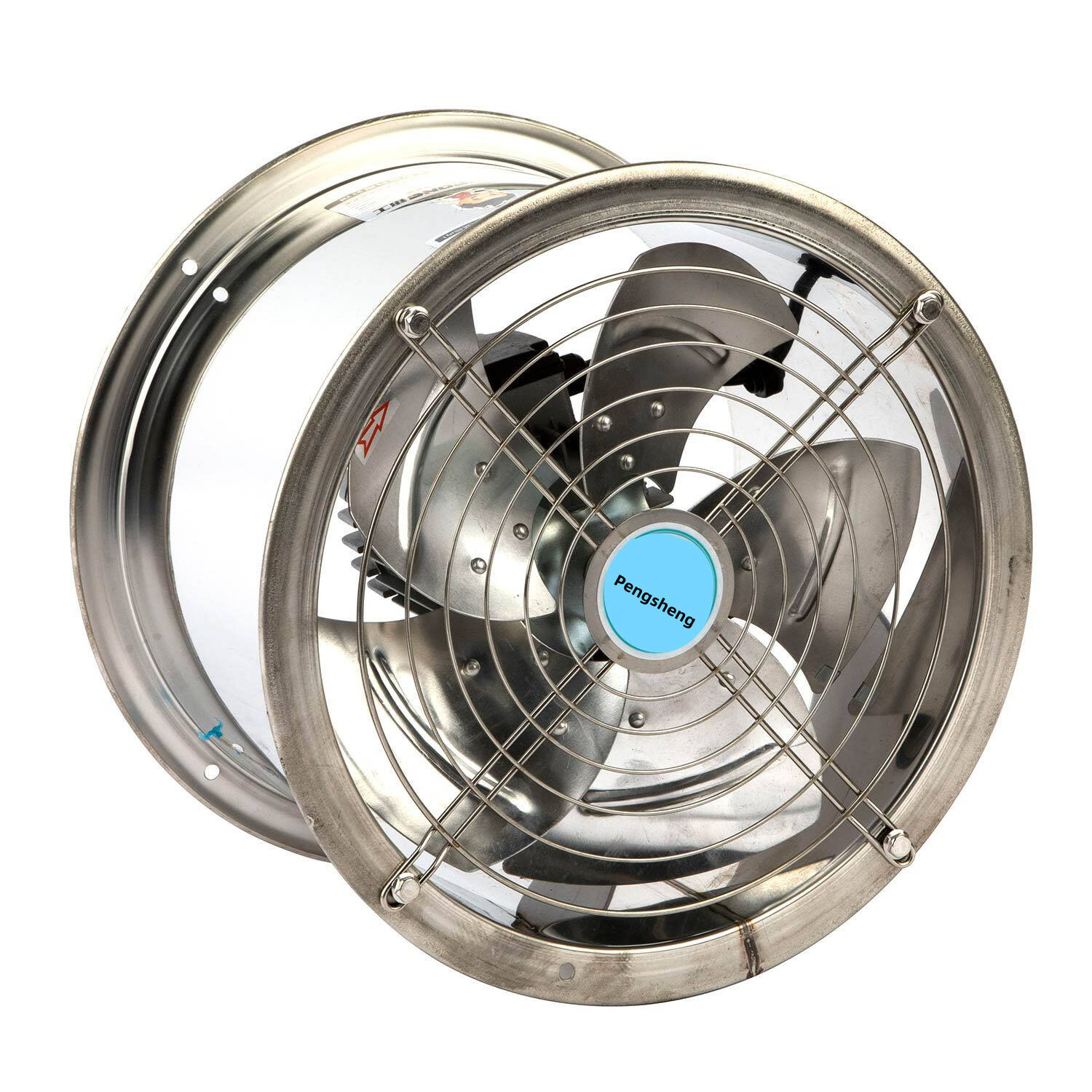
Axial Fan Mounting: Achieving Stability and Optimal Airflow
Selecting the Mounting Location Using Airflow Path Analysis
Proper axial fan placement hinges on airflow path analysis to avoid turbulence, dead zones, and recirculation. Conduct CFD simulations or physical smoke tests to map air movement before installation. Prioritize locations that:
- Maintain at least 1.5 × the fan diameter clearance from obstructions
- Align with natural convection paths—especially in passive cooling applications
- Avoid proximity to walls, duct elbows, or heat-generating equipment where stagnant zones form
Optimized positioning improves system efficiency by 15–25% and reduces energy consumption. Intake air should remain below 40°C to safeguard motor insulation life and prevent thermal derating.
Mechanical Fastening and Vibration Dampening for Long-Term Reliability
Secure axial fans using vibration-isolating mounts and corrosion-resistant fasteners rated for at least 1.5 × the operational weight. Key practices include:
- Installing neoprene or spring isolators to absorb harmonic vibrations
- Applying thread-locking compound on bolts in high-wind or high-vibration environments
- Torquing fasteners precisely to manufacturer specifications (typically 20–35 N·m)
Vibration-related failures account for 42% of premature axial fan replacements. Perform resonance frequency checks every six months to detect early signs of structural fatigue. For rooftop installations, use galvanized steel brackets with a 10° drainage pitch to prevent water pooling and corrosion.
Axial Fan Wiring: NEC-Compliant Electrical Connections
Correct Wire Gauge and Overcurrent Protection per NEC Article 430
Using wires that are too small for the job creates major risks like fires and dangerous arc flashes. According to the National Electrical Code (NEC) Article 430, selecting the right wire size depends on several factors including the motor's full load amps (FLA), how hot it gets around the installation area, and what percentage of space is taken up inside the conduit. For instance, if someone installs a 15 amp motor where temperatures regularly hit 90 degrees Fahrenheit, they need at least number 12 American Wire Gauge copper wires. The overcurrent protection devices shouldn't go beyond 125 percent of whatever the motor says on its nameplate for FLA because going over this limit can actually start breaking down the insulation over time. When people ignore these rules, studies from NFPA 70E show that the amount of energy released during an arc flash goes up by almost half, which makes accidents far more dangerous than they already are.
Terminal Block vs. Direct Lead Wiring: Best Practices for Industrial Axial Fans
Terminal blocks enhance serviceability but require UL-listed, corrosion-resistant materials in wet or chemically aggressive settings. Direct lead wiring minimizes failure points where vibration exceeds 3 G-force. Selection criteria include:
- High-vibration areas: Prefer direct leads with integrated strain relief
- Chemical exposure or washdown environments: Terminal blocks simplify component replacement
- NEC 110.14 compliance: Specify tin- or silver-plated copper terminals to prevent galvanic corrosion
Industrial installations typically use terminal blocks for motors over 5 HP, enabling rapid motor swaps without circuit rewiring. Proper torque is critical—under-tightened lugs can increase contact resistance by 300%, leading to overheating and failure.
Critical Safety Protocols for Axial Fan Installation
Lockout-Tagout (LOTO) Implementation in HVAC and Industrial Settings
Before working on an axial fan, Lockout-Tagout procedures must be followed to prevent dangerous situations like unexpected startups, electrical shocks, or getting caught in moving blades. When dealing with HVAC systems specifically, technicians should cut off power at the branch circuit disconnect first. Then they need to put actual physical locks on everything before anyone gets near the equipment. Things get even trickier in industrial settings where there might be backup power sources running parallel. These environments demand extra steps like checking voltages thoroughly and making sure all rotating parts are mechanically locked down properly. Safety comes first every time, no exceptions.
Follow OSHA’s standardized six-step LOTO sequence:
- Notify affected personnel
- Shut down the equipment
- Isolate all energy sources (electrical, pneumatic, hydraulic, stored mechanical)
- Apply lockout devices with assigned keys
- Release or block stored energy (e.g., discharge capacitors, secure fan blades)
- Verify zero-energy state using a calibrated tester
When lockout tagout protocols aren't properly followed, they end up causing around 120 electrocution deaths every year across American factories according to OSHA data from last year. Axial fans present special challenges where workers need to check both mechanical locks that stop movement and actually look at the blades themselves to confirm they're not spinning anymore. Working inside tight areas like ventilation ducts requires checking air quality first since there might be low oxygen levels or dangerous fumes hanging around. Safety documentation isn't optional either these days. Every facility should have written plans detailing exactly what needs to happen during maintenance work, and those documents get looked at again every three months to make sure nothing gets outdated or forgotten.
FAQ: Axial Fan Installation
Why is the placement of axial fans important?
Proper placement ensures optimal airflow, reduces energy consumption, and prevents turbulence or recirculation that can lead to system inefficiency.
How can vibration-related issues be minimized in axial fan installations?
Vibration-related issues can be minimized by using vibration-isolating mounts, applying thread-locking compounds, and conducting resonance frequency checks.
What is the significance of using the correct wire gauge as per NEC Article 430?
Using the correct wire gauge prevents fire hazards and dangerous arc flashes. It ensures electrical safety according to the NEC guidelines and prevents insulation breakdown over time.
What are the key considerations for wiring axial fans?
The key considerations include choosing between terminal blocks and direct lead wiring based on the environment, ensuring NEC compliance, and maintaining proper torque to prevent overheating.
Why is the Lockout-Tagout (LOTO) procedure crucial for axial fan installation?
LOTO procedures are crucial to ensure safety by preventing unexpected startups, electrical shocks, and securing mechanical parts to avoid accidents during maintenance.
Table of Contents
- Axial Fan Mounting: Achieving Stability and Optimal Airflow
- Axial Fan Wiring: NEC-Compliant Electrical Connections
- Critical Safety Protocols for Axial Fan Installation
-
FAQ: Axial Fan Installation
- Why is the placement of axial fans important?
- How can vibration-related issues be minimized in axial fan installations?
- What is the significance of using the correct wire gauge as per NEC Article 430?
- What are the key considerations for wiring axial fans?
- Why is the Lockout-Tagout (LOTO) procedure crucial for axial fan installation?