 EN
EN
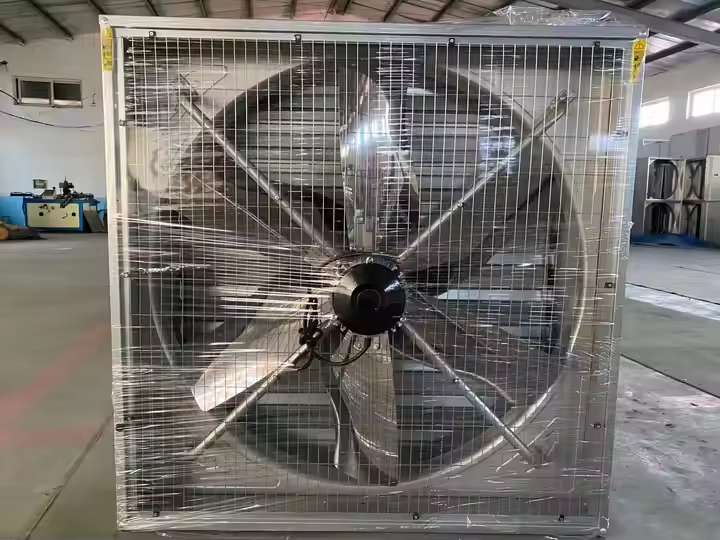
Removing Dust From Fan Blades and Grilles for Optimal Performance
When dust accumulates on wall fan components, it blocks airflow and makes the motor work around 10 to maybe even 15 percent harder than normal, something various HVAC efficiency reports have pointed out. To keep things running smoothly, grab a microfiber cloth or a gentle brush and wipe down both sides of those blades plus all those little nooks in the grille where dust likes to hide. If there's really stubborn grime stuck on there, try lightly wetting the cloth with about 70% isopropyl alcohol solution. This helps break down the grease without harming any of the electrical components inside the fan housing.
How Clean Components Improve Airflow Efficiency and Cooling Output
Keeping wall fans free of debris maintains unobstructed airflow, reducing energy consumption and motor strain. Proper cleaning prevents particulate accumulation that can shorten bearing life by 30% to 40% in high-use settings. Well-maintained units achieve their rated CFM (Cubic Feet per Minute) airflow 22% faster than neglected ones, ensuring optimal cooling performance.
Weekly Inspection and Cleaning Routines for Residential and Commercial Use
| Frequency | Residential Focus | Commercial Focus | Tools Required |
|---|---|---|---|
| Weekly | Blade surfaces, front grille | Motor housing vents, rear grilles | Microfiber cloth, compressed air |
| Monthly | Power cord connections | Belt tension, mounting hardware | Multimeter, brush set |
Residential maintenance should focus on visible dust removal from easily accessible areas, while commercial systems require scheduled deep-cleaning of internal airflow channels. Documenting cleaning dates and airflow measurements helps track performance trends and identify emerging issues early.
Lubrication Best Practices for Wall Fan Bearings and Motor Longevity
Importance of Lubricating Motor Bearings for Smooth Operation
The bearings in wall fans deal with continuous rotational stress day after day. When they don't get enough lubrication, things start going downhill pretty fast. Friction can jump as much as 18 percent according to recent studies, which means faster wear on components and operating temps that climb somewhere between 15 and 20 degrees Fahrenheit higher than normal. All this takes a real toll on the motor's lifespan. Keeping those bearings properly greased makes a world of difference though. It cuts down on metal scraping against metal, saves around 5 to 8 percent in energy costs over time, and stops early breakdowns from happening. Motors that receive regular maintenance typically stick around about 3 or 4 extra years compared to neglected ones, making routine care well worth the effort in the long run.
Recommended Lubricants: Lithium-Based Grease and Synthetic Oils
Lithium-complex greases are preferred for wall fans due to their:
- High-temperature stability (up to 350°F)
- Resistance to moisture (tolerates up to 80% humidity)
- Shear stability across various RPM ranges
For high-speed commercial units, synthetic PAO (polyalphaolefin) oils reduce oxidation risk by 40% compared to mineral oils. Industrial maintenance guidelines recommend ISO VG 32 to 68 viscosity grades to ensure strong lubricant film formation without interfering with airflow cooling.
Proper Application Techniques and Avoiding Over-Lubrication Risks
Too much lubrication actually harms seals and gets into motor windings, which contributes to around 32% of all motor failures according to Empowering Pumps research from 2023. When adding grease, go slow with amounts between half a gram to 1.5 grams through those needle tip adapters. Make sure to push out the old stuff completely until new grease starts coming through. With oil lubricated bearings, keep the level somewhere between 60 and 70 percent of what the housing can hold. Never ignore what the manufacturer says either because bigger fans often need something like semi-fluid grease that won't spread when spinning fast. Getting this right makes a big difference in how long equipment lasts before needing replacement.
Inspecting Critical Components for Early Detection of Wear and Damage
Checking Fan Blades, Electrical Connections, and Mounting Hardware
Blades need regular inspection for any signs of damage like cracks, warping, or uneven wear patterns that throw off the airflow balance. Make sure all those mounting brackets and housing screws are properly tightened according to what the manufacturer specifies for torque settings. This helps avoid problems caused by vibrations wearing things down over time. Don't forget to look at wire terminals too. Corrosion or strange discolorations there usually mean higher electrical resistance, which can really stress out motors until they eventually fail. According to research published in Ponemon back in 2023, this kind of issue is actually one of the main reasons why HVAC systems break down so often.
Identifying Warning Signs: Unusual Noises, Wobbling, and Loose Parts
High-pitched whining or intermittent scraping sounds often precede bearing or motor failure. Lateral wobbling exceeding 1/8" indicates imbalance and requires immediate correction to avoid misalignment. Rattling grilles or loose screws point to fastener fatigue, which worsens under operational vibrations and can lead to component detachment.
Case Study: Preventing Motor Failure Through Timely Belt Replacement
A commercial kitchen avoided $4,200 in motor replacement costs by replacing drive belts every six months. Proactive belt maintenance reduces unplanned downtime by 63% compared to reactive repairs. Modern wear-pattern analysis enables predictive replacements with 89% accuracy, lowering annual maintenance expenses by 15 to 22%.
Balancing, Alignment, and Vibration Control for Stable Operation
Unbalanced rotating components increase energy use by 12 to 18% and accelerate bearing wear by 30%, according to a 2023 industrial machinery study. Maintaining proper balance is essential for efficient, stable operation.
Techniques for Balancing Wall Fan Blades to Eliminate Wobbling
Use a static balancing tool to detect heavy spots on stationary blades. For critical commercial applications, apply dynamic balancing methods by testing at operating speeds. Effective solutions include:
- Adding counterweights to lighter blade sections
- Sanding down heavier areas
- Replacing blades with angular deviations over 2°
Detecting and Correcting Uneven Blade Wear or Deformation
Monthly inspections should assess:
⚠️ Chips or cracks along blade edges
⚠️ Asymmetrical dust patterns indicating imbalance
⚠️ Bends exceeding 1/8” deviation from plane
Correct minor deformations using a straightedge jig; replace blades with persistent imbalances of 0.5mm or more. Facility managers report 63% fewer motor failures after introducing semi-annual alignment checks (Facility Engineering Journal 2022). Ensure all mounting hardware is secure—loose brackets account for 41% of vibration-related repairs.
Electrical Safety Checks and Adherence to Manufacturer Guidelines
Performing safe electrical inspections and identifying overheating risks
Faulty wiring causes 38% of wall fan failures (National Electrical Safety Foundation 2023). Use non-contact voltage testers to check for loose connections and inspect terminal blocks for scorch marks from overheating. Conduct tests under load whenever possible to reveal voltage fluctuations that static checks might miss.
De-energizing the fan and following safety protocols during maintenance
Always follow lockout/tagout procedures before servicing. Case studies show improper isolation is responsible for 62% of maintenance-related electrical incidents. Clean relay switches with compressed air instead of liquid cleaners to eliminate the risk of accidental energization from residual moisture.
Following model-specific manufacturer instructions to preserve warranty
Adhering to factory-specified torque values for terminal screws improves safety margins by 27% compared to generic practices, as shown in industrial electrical testing. Keep records of all maintenance using the forms provided in user manuals to support warranty claims.
Trend: Smart sensors and predictive maintenance in modern wall fans
IoT-enabled fans now use vibration analysis to detect bearing wear, providing alerts up to 50 hours before potential failure. These systems align with emerging IEC 60364 standards for predictive maintenance and have reduced unplanned downtime by 41% in commercial installations.
FAQ
Why is regular cleaning of wall fans important?
Regular cleaning prevents dust accumulation, ensures unobstructed airflow, and reduces motor strain, ultimately enhancing lifespan and efficiency.
What are the recommended lubricants for wall fan maintenance?
For wall fans, lithium-based greases and synthetic PAO oils are recommended due to their high-temperature stability and resistance to moisture.
What are signs of wall fan wear and damage?
Signs include unusual noises, wobbling, loose parts, and visible damage like cracks on blades or discoloration on electrical connections.
How can imbalance in fan blades be corrected?
Imbalance can be addressed by adding counterweights, sanding heavier areas, or replacing misaligned blades.
Why are smart sensors beneficial for wall fan maintenance?
Smart sensors detect issues like bearing wear in advance, allowing predictive maintenance that reduces unplanned downtime.
Table of Contents
- Removing Dust From Fan Blades and Grilles for Optimal Performance
- How Clean Components Improve Airflow Efficiency and Cooling Output
- Weekly Inspection and Cleaning Routines for Residential and Commercial Use
- Lubrication Best Practices for Wall Fan Bearings and Motor Longevity
- Inspecting Critical Components for Early Detection of Wear and Damage
- Balancing, Alignment, and Vibration Control for Stable Operation
- Electrical Safety Checks and Adherence to Manufacturer Guidelines
- FAQ