 EN
EN

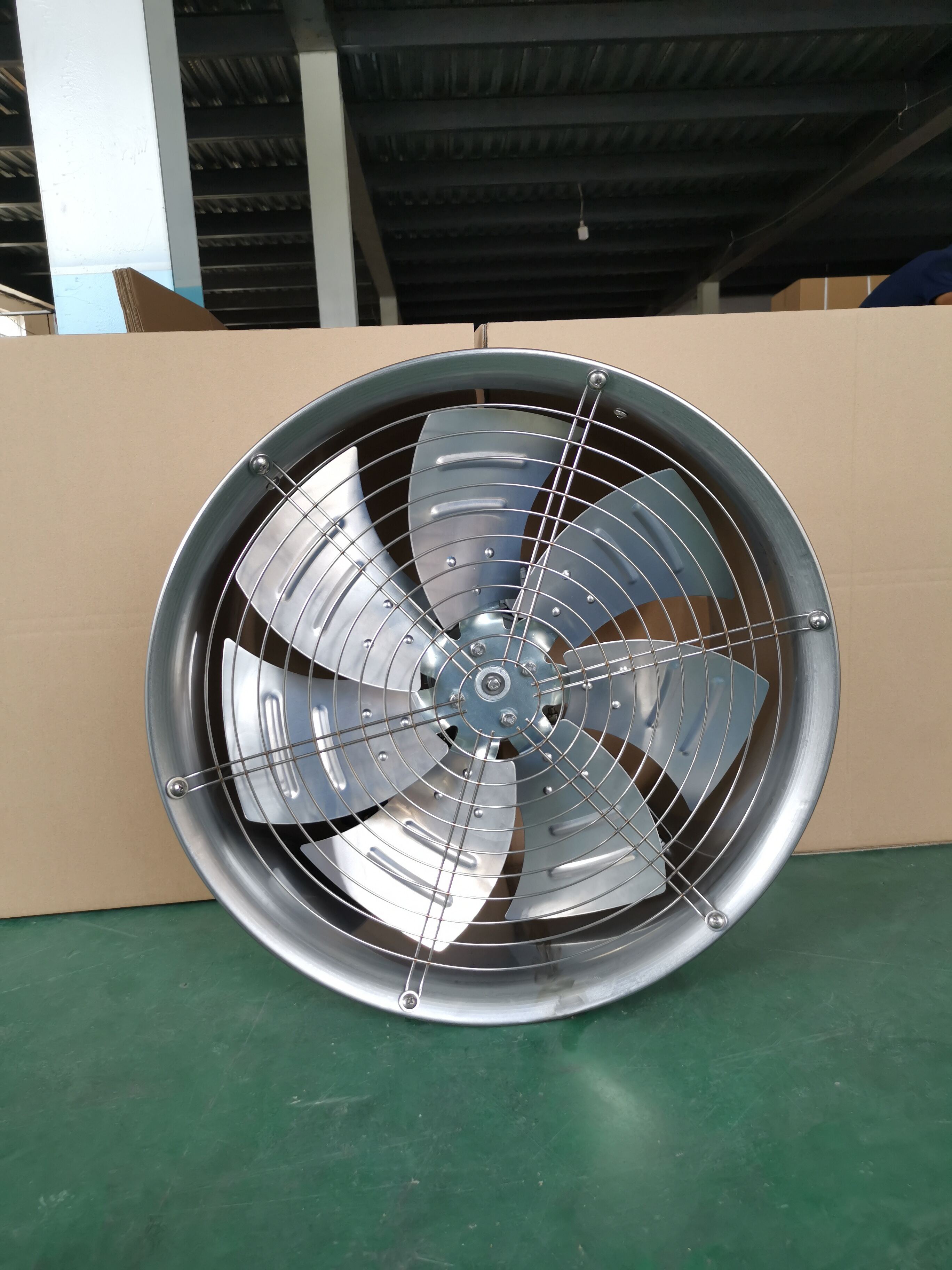
Why Proper Ventilation Fan Installation Matters for Bathroom Health and Compliance
How Ventilation Fans Prevent Moisture Buildup, Mold Growth, and Structural Damage
The steam from daily showers and baths builds up serious humidity in bathrooms. Without proper ventilation, all that moisture ends up collecting on walls, ceilings, and bathroom fixtures over time. When condensation forms, it sets the stage for mold problems that can start growing within a day or two if the humidity stays above 60%, according to recent EPA findings. The constant wetness doesn't just look bad either. It actually causes real damage by warping wooden frames inside walls, making paint peel off surfaces, and breaking down drywall material. This leads to expensive repairs down the road. Installing a correctly sized exhaust fan makes a big difference though. These fans pull out the moist air effectively, keeping humidity levels under control at around 50% or lower so mold has no chance to take hold. Beyond preventing structural issues, good ventilation also helps maintain better indoor air quality and protects against respiratory problems for everyone living in the house.
Building Code Essentials: Why Venting Outside Is Non-Negotiable
The International Residential Code (IRC) and other building regulations mandate that bathroom exhaust fans must be vented straight outside, not into attics, crawl spaces, or any kind of recirculating system. When people install these fans incorrectly by directing them into enclosed spaces, they end up moving all that moisture into places we can't see easily. That's bad news because it leads to wood rot, mold growth, and ruined insulation over time. Many DIY installs get caught during inspections since they don't meet basic airflow requirements. Take a standard bathroom around 50 square feet for example - the code calls for at least 50 cubic feet per minute of airflow according to IRC 2023 guidelines. Proper outdoor venting gets rid of the moisture right where it starts, keeps everyone following the rules, and protects homes against damage that simply doesn't need to happen.
Choosing the Right Ventilation Fan: CFM, Size, and Type Matching
Calculating Required CFM Based on Bathroom Dimensions and Fixture Count
Selecting the right CFM (Cubic Feet per Minute) ensures effective moisture and odor removal. Begin by measuring your bathroom’s floor area in square feet. Industry guidelines recommend 1 CFM per square foot, plus 50 CFM for each major fixture. For example:
- A 60 sq ft bathroom requires a base of 60 CFM
- Add 50 CFM for a shower/tub and another 50 CFM for a toilet
This results in a minimum 160 CFM requirement for a bathroom with both a shower and toilet. Undersized fans fail to clear humidity quickly, increasing mold risk by 35% in consistently damp environments (Indoor Air Quality Association 2023). Always size the fan to meet or exceed calculated needs.
Comparing Ventilation Fan Types: Ceiling-Mounted, Wall-Mounted, and Inline Options
The best fan type depends on your bathroom’s layout and access constraints:
| Feature | Ceiling-Mounted | Wall-Mounted | Inline |
|---|---|---|---|
| Best For | Standard bathrooms | No attic access | Large spaces |
| Noise Level | Moderate | Moderate-High | Low (motor remote) |
| Installation | Requires attic clearance | Needs exterior wall | Ductwork in attic |
The ceiling mounted variety remains by far the most popular choice since they generally perform pretty well in standard bathroom setups. When dealing with slab construction situations where getting into the ceiling isn't possible, wall mounted options tend to be quite effective. Then there's inline models which go right inside the ductwork itself these days. They're super powerful yet surprisingly quiet making them great picks for bigger bathrooms where people really care about keeping things peaceful. No matter what kind we're talking about though, it's important that whatever fan gets installed actually matches up with those CFM calculations everyone keeps mentioning. And let's not forget about noise levels either something around 1.0 sones or lower will keep most folks happy without driving them crazy from all that background hum.
Strategic Ventilation Fan Placement for Optimal Airflow and Steam Capture
Getting the location right makes all the difference when it comes to capturing moisture and keeping air moving properly. The best bet? Put the fan no more than three feet away from where the water hits the skin in showers or bathtubs so it can grab steam right at the source. Mounting on the ceiling works wonders since hot moist air naturally goes upward anyway. When installed above, these fans typically catch around 85% of the dampness before it gets a chance to spread throughout the room. Stay clear of corners or spots where doors might block access, and definitely steer clear of any supply vents as they create crosswinds that mess with proper ventilation. For bigger bathrooms with soaking tubs or even small saunas, adding another fan nearby helps tackle those extra humid zones. Make sure the duct runs directly out without unnecessary bends or twists to prevent water buildup inside the pipes. Following these guidelines cuts down mold problems by roughly two thirds over time according to recent studies from Indoor Air Quality Association back in 2023, plus saves money on energy bills too.
Ductwork Best Practices: Routing, Insulation, and Code-Compliant Venting
Direct Exterior Venting: Avoiding Attic, Crawl Space, or Recirculating Shortcuts
Bathroom ventilation fans should always be routed outside through either walls or roofs whenever possible. Building codes like the IRC specifically ban venting into attics, crawl spaces, or using recirculating systems according to section M1507.1. Why? Because all those trapped moist air causes serious problems over time, leading to rot and other structural issues. The truth is, recirculating fans just push around the same humid air instead of actually removing it, which means they won't pass inspection anyway. Research from building scientists indicates that roughly 9 out of 10 cases of moisture damage stem from poor ventilation practices. For best results, install either rigid metal ductwork or smooth walled PVC piping since these materials last longer and let air flow freely. And remember to keep the duct run as short and straight as possible when connecting to the outside.
Minimizing Resistance: Duct Length, Bends, and Insulation to Prevent Condensation
Keep duct runs below 15 feet long and try not to have more than two right angle turns in any single run. Every elbow basically adds another 10 to 15 feet worth of resistance, which cuts down on airflow and makes fans work harder than they should. Any duct running through cold areas like attics needs proper insulation with at least R-8 material backed by foil to stop moisture from forming inside. For sealing joints, forget about using regular tape stuff. Go with mastic instead because normal adhesives tend to break down when temperatures swing back and forth over time. When ducts are correctly sized, properly wrapped up, and sealed tight, this keeps the system delivering the needed cubic feet per minute, handles steam removal effectively, and saves money by extending the life of the fan components.
FAQ
Why is ventilation important in bathrooms?
Proper ventilation prevents moisture buildup, mold growth, and structural damage while maintaining indoor air quality.
What building codes should I be aware of for bathroom exhaust fans?
The International Residential Code mandates exhaust fans to vent outdoors to prevent unseen moisture damage.
How do I calculate the needed CFM for a bathroom fan?
Measure your bathroom's floor area and use industry guidelines: 1 CFM per sq ft plus additional CFM for fixtures.
What are the types of ventilation fans?
Ceiling-mounted, wall-mounted, and inline fans offer different benefits based on bathroom layout and constraints.