 EN
EN

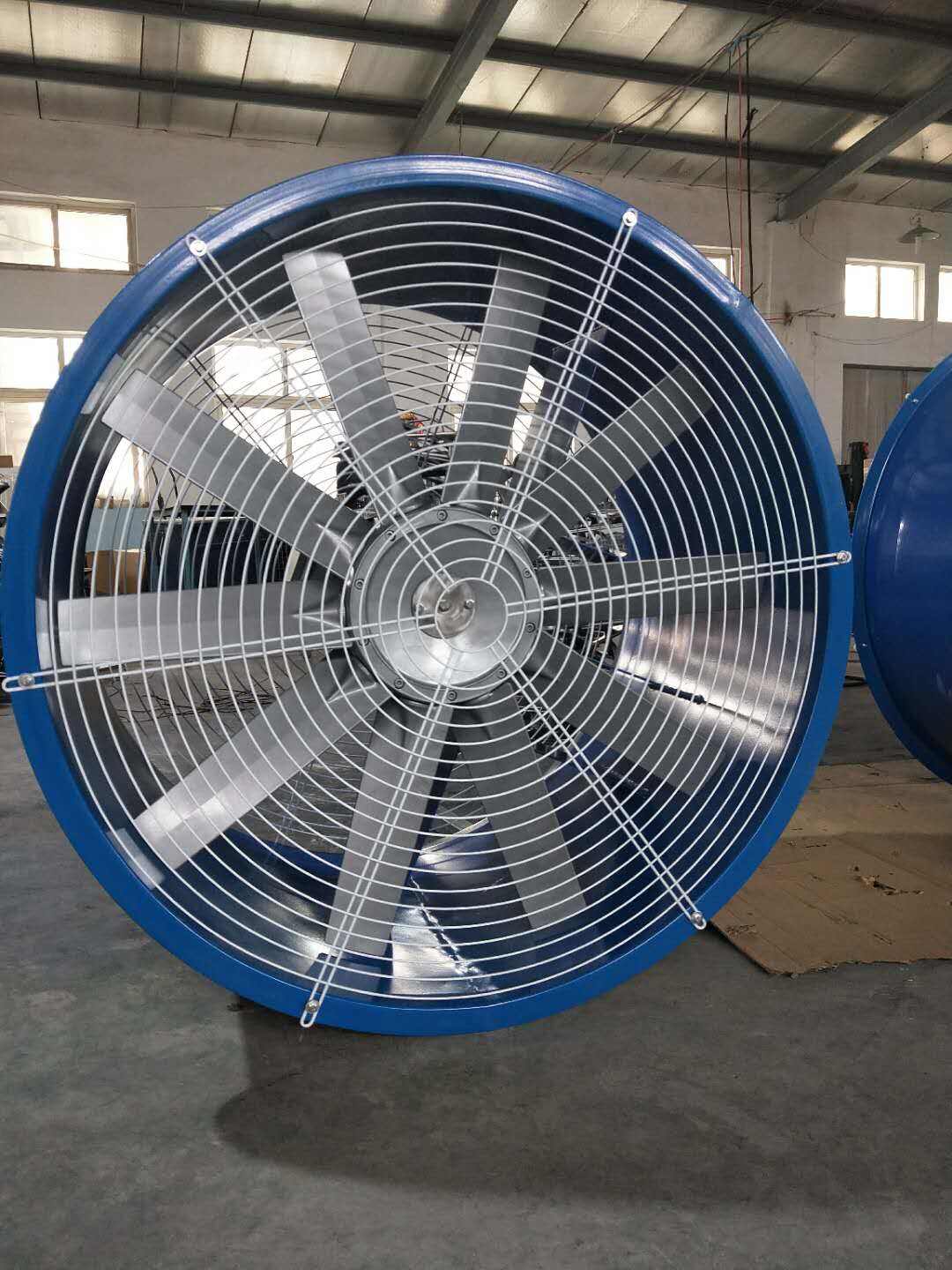
Diagnosing Excessive Vibration and Noise in Axial Flow Fans
Blade Imbalance vs. Shaft Misalignment: Field-Ready Differentiation
Too much vibration in axial flow fans usually comes down to two main problems: unbalanced blades or misaligned shafts. These issues leave different marks when technicians inspect them on site. When blades are out of balance, they create regular vibrations that move across the fan housing at right angles to the shaft axis, accompanied by a constant low humming sound. Misaligned shafts tell a different story though. They cause stronger vibrations along the length of the shaft itself, with a growling noise that gets worse when the fan is working harder under increased loads. Technicians can often tell which problem exists just by listening closely during routine maintenance checks.
A rapid field differentiation includes:
- Manually rotating blades to detect uneven resistance or "heavy spots" (indicative of imbalance)
- Measuring coupling gap uniformity with feeler gauges (variance > 0.05 mm suggests misalignment)
Misalignment imposes up to 50% greater bearing stress than imbalance, per industrial maintenance studies. Still, begin with imbalance checks—it's often resolved via blade cleaning or precision balancing weights. Misalignment requires laser alignment tools and structural verification, making it more time- and resource-intensive.
Vibration-Noise Diagnostic Checklist for Axial Flow Fan Technicians
Use this streamlined, safety-first protocol when investigating vibration or acoustic anomalies:
- Safety isolation: Lock out power and secure rotating components per OSHA 1910.147 standards
-
Visual inspection:
- Check blades for debris, cracks, erosion, or leading-edge damage
- Confirm bolt torque on mounts, couplings, and blade hubs against manufacturer specs
-
Operational testing:
- Measure RMS vibration at motor bearings (target ≤ 4 mm/s per ISO 10816-3)
- Capture noise spectrum with a calibrated acoustic analyzer
-
Load analysis:
- Compare vibration amplitude at startup, 50%, and full load
- Verify amp draw stays within ±10% of motor nameplate FLA
-
Environmental assessment:
- Audit duct static pressure balance using manometers
- Confirm ≥1.5— fan diameter clearance from walls, dampers, or obstructions
High-frequency noise (>1 kHz) typically points to blade tip damage or aerodynamic turbulence; low-frequency rumbles (<500 Hz) suggest structural resonance or foundation looseness. Establishing baseline measurements during commissioning cuts future diagnostic time by up to 70%.
Restoring Optimal Airflow in Axial Flow Fans
Identifying and Clearing Airflow Restrictions: Ductwork, Grilles, and Obstructions
Most of the time when axial flow fans struggle with airflow issues, the problem isn't actually with the fan motor itself but comes from somewhere else in the system. Look at those ducts first they get corroded, bent out of shape, or just plain too small over time and this can cut down on available space for air movement by almost half. The same goes for inlet and outlet grilles that are poorly designed they throw off the evenness of airflow and crank up static pressure in the whole system. Start checking things visually. Take off those inlet screens and have a good look at the blades for any build up of grease, dust, or particles particularly important in places like food processing plants, pharma labs, or metal fabrication shops where contamination is a big concern. Then measure how much pressure drops happen as air moves through duct transitions and around bends. If what we see differs by more than 15% from what was originally planned, there's definitely something blocking airflow. When it comes to grilles, double check if their open area matches what the manufacturer specified. A good trick is to run a laser anemometer over them to see if air speed stays consistent across the entire surface. Recent field tests commissioned by ASHRAE back in 2023 showed that simply clearing out these blockages brought airflow efficiency back up to 78% within just two days flat. To stay ahead of problems, schedule regular checks every three months for duct integrity and consider adding magnetic filters at intake points to catch iron-based particles before they even get close to the fan blades.
Case Study: HVAC Retrofit That Recovered 92% of Rated CFM in an Axial Flow Fan System
A food processing plant suffered persistent 35% airflow deficits despite adherence to quarterly maintenance schedules. Root-cause analysis revealed two interrelated issues: exhaust ducts installed during a 2018 expansion were undersized (200 mm vs. required 300 mm), and progressive grease accumulation reduced effective blade pitch and surface efficiency. The retrofit implemented three coordinated interventions:
- Replaced 200 mm duct sections with corrosion-resistant 300 mm alternatives
- Installed automated, hydrophobic-coated grease-extraction blades with self-cleaning geometry
- Integrated variable-frequency drives (VFDs) programmed for constant-torque response to dynamic pressure shifts
Post-retrofit testing confirmed 92% recovery of rated CFM—reaching 18,500 CFM—with a 22% reduction in energy consumption. This outcome underscores that restoring optimal airflow demands simultaneous attention to mechanical integrity, aerodynamic design, and control strategy.
Preventing Motor Overload and Overheating in Axial Flow Fans
Thermal Failure Triggers: Voltage Instability, Load Mismatch, and Ambient Factors
Thermal failures in axial flow motors don't happen in isolation. They usually come from a mix of electrical problems, mechanical issues, and environmental factors working together. When voltage fluctuates more than 10% from what's listed on the motor's nameplate, the insulation on the windings starts breaking down gradually, which speeds up failure rates. Load mismatches are another big problem. These often happen when someone programs the VFD wrong, sets the blades at too steep an angle, or forgets about resistance in the ductwork. This causes sudden current surges that go past the motor's full load amps, which trips those thermal overload relays. Looking at recent HVAC maintenance reports, about two thirds of all recorded motor overloads were actually due to mistakes made while setting up those VFD parameters. Environmental factors just make things worse too. If temperatures stay above 40 degrees Celsius for long periods, if air can't properly circulate around the motor casing, or if dust builds up and acts like insulation, operating temps can jump anywhere between 15 to 20 degrees higher than normal. That pushes the windings right into dangerous territory where they start overheating uncontrollably.
Electrical Diagnosis Flowchart for Axial Flow Fan Motor Overload
Apply this targeted sequence to isolate overload root causes efficiently:
- Measure voltage at motor terminals under load, using a true-RMS multimeter
- Compare actual current draw to nameplate FLA—and verify phase balance (≥5% variance)
- Assess ambient conditions: check for blocked cooling fins, ambient temperature, and nearby heat sources
When things start going off track, there are specific fixes needed for different problems. For example, when we see voltage fluctuations happening, it usually means working with the utility company or installing something like line reactors or voltage regulators. If there's an issue with current imbalance or over amps, then the solution tends to involve reprogramming the VFD system and adjusting the blade pitch settings. Elevated temperatures in the equipment area? That typically points toward better ventilation systems or figuring out ways to reduce dust buildup around those components. Thermal imaging should be part of regular operations too. It helps spot potential trouble spots early on, especially looking at areas like winding terminations and bearing housings where heat can build up dangerously before any real damage happens.
Extending Bearing Life Through Proactive Maintenance of Axial Flow Fans
Lubrication Intervals, Alignment Checks, and Early Wear Indicators
Getting more life out of axial flow fan bearings really comes down to three main things working together: proper lubrication, good alignment, and keeping an eye on their condition. When it comes to greasing, most manufacturers recommend doing it somewhere between six and twelve months for regular industrial use. But if the environment gets hot, dusty, or has lots of vibration, then those intervals need to be cut short. Installing fans with laser alignment makes a big difference too. Doing this again whenever there's been any structural changes helps prevent uneven stress on the bearings which can lead to early failure. Watch for telltale signs something might be going wrong before it becomes a major problem.
- Vibration amplitude exceeding baseline by >30% in the 1— or 2— running speed bands
- A shift toward higher-frequency broadband noise (>2 kHz) in acoustic spectra
- Housing temperature rising >10°C above normal operational range
When implemented together, these practices reduce metal fatigue by up to 40% and extend mean time between failures (MTBF) by 2.3—, according to field data compiled by the Fan Manufacturers Association (FMA). This systematic, evidence-based approach transforms bearing maintenance from reactive replacement to predictable, reliability-centered stewardship.
FAQ
What are common causes of vibration in axial flow fans?
Common causes of vibration in axial flow fans include unbalanced blades and misaligned shafts, which create specific patterns of vibration and noise.
Why is there excessive noise coming from my axial flow fan?
Excessive noise often results from issues like blade tip damage or aerodynamic turbulence, structural resonance, or foundation looseness.
How can I prevent motor overload and overheating in axial flow fans?
To prevent motor overload and overheating, ensure voltage stability, avoid load mismatches, and manage ambient factors like temperature and dust accumulation.