 EN
EN
How Industrial Exhaust Fans Enhance Workplace Air Quality
Removing airborne contaminants and particulate matter at the source
Industrial exhaust fans grab dangerous stuff like welding smoke, chemical fumes, and dust right where it starts, so it doesn't spread around work areas. When we catch these pollutants at the source, workers get exposed to fewer things that can irritate their lungs and cause problems like occupational asthma or long term lung issues. Good placement of exhaust systems creates airflow patterns that push contaminants away from where people breathe. This makes air quality better overall, often bringing particulate levels down below what OSHA considers safe for workers. Some real world testing by NIOSH shows that focusing on source capture works about 40 percent better than just trying to mix contaminated air with clean air through regular ventilation methods when dealing with silica dust and metal particles.
Integrating industrial exhaust fans with hoods, ductwork, and filtration
Getting good air quality means putting exhaust fans together with proper capture systems. Most setups use slotted or canopy hoods positioned over work areas like chemical tanks, assembly benches, or production stations to pull contaminants into the duct system. Centrifugal fans then create enough static pressure to push air through all those long runs of piping and fittings. For situations involving dangerous fumes or really tiny particles (think submicron stuff), manufacturers often install HEPA filters or activated carbon units after the main capture point to clean the air before letting it out or sending it back into the facility. The exhaust fan itself acts as the heart of the whole operation, keeping that steady negative pressure going so nothing escapes. Proper setup is absolutely critical here. Well designed and properly maintained systems typically hit around 95 to 99 percent efficiency when capturing particles smaller than one micron across in most factory environments.
Critical Applications of Industrial Exhaust Fans by Industry
Industrial exhaust fans serve as vital engineering controls across diverse sectors, maintaining air quality and protecting workers in demanding environments.
Manufacturing, chemical processing, and food production environments
Industrial exhaust fans in manufacturing settings get rid of those pesky metal fumes and airborne particles that come flying off when workers weld, grind, or machine parts all day long. For chemical operations dealing with flammable stuff, they need special explosion proof versions that handle solvent vapors and other volatile compounds without creating sparks that could start fires according to the latest NFPA 2023 guidelines. On food production lines where cleanliness matters most, corrosion resistant fans help control moisture levels, stop bacteria from growing everywhere, and pull out steam, cooking oils, and organic debris at key spots along the processing line so everything stays within FDA requirements for clean air circulation. These high speed systems keep moving fresh air through tight spaces such as mixing rooms and reactor buildings, protecting staff members from both immediate breathing problems and long term health risks associated with poor ventilation.
Warehouses, automotive repair bays, and commercial kitchens
Industrial exhaust fans play a critical role in warehouses where they help get rid of all that built-up heat from storage racks and stop condensation from damaging products. In automotive repair shops, these same fans pull out welding smoke, paint mist, and dangerous carbon monoxide levels which need to stay below OSHA's limit of 50 parts per million. For commercial kitchens, combining these fans with proper Type I hoods makes a big difference. They grab hold of those greasy vapors and combustion gases right at the source near grills and fryers, cutting down on fire risks substantially. When it comes to clearing heat from large spaces like high bay workshops, roof mounted centrifugal units work best. Meanwhile, axial fans shine in spray booths where what matters most is moving lots of air against minimal resistance. These different fan types each have their place depending on the specific job requirements.
Health, Safety, and Regulatory Compliance Benefits
Protecting workers from hazardous fumes, vapors, and dust exposure
Industrial exhaust fans help cut down on health problems over time by pulling away harmful stuff from the air right where it comes from. They lower levels of things like welding smoke, chemical fumes, and flammable dust so they stay under dangerous limits. Good airflow measured in how many times per hour fresh air replaces old air keeps doing this job properly. Plants that install proper local exhaust systems see about 37 percent fewer OSHA breathing problem violations according to data from last year, which means fewer insurance claims for worker injuries and less time off work. Getting rid of those annoying irritants makes a big difference too. Workers suffer from headaches, feeling dizzy, and getting sick less often, so their minds stay sharp and operations run better overall.
Meeting OSHA, ACGIH, and local occupational ventilation standards
When industrial exhaust fans are properly sized and installed, they help meet important safety standards like OSHA's Permissible Exposure Limits (PELs), ACGIH Threshold Limit Values (TLVs), plus various local ventilation requirements. Failure to comply can lead to serious fines from OSHA, sometimes going over $15k for each problem found under their General Duty Clause. Fire departments across different areas also insist on explosion proof equipment whenever there's potential for flammable dust buildup or vapor accumulation. Installing systems that monitor air flow in real time gives companies solid documentation showing how well their ventilation works. This kind of record keeping becomes invaluable when facing inspections or dealing with legal challenges down the road.
Selecting and Sizing the Right Industrial Exhaust Fan
Key design factors: airflow (CFM), static pressure, ACH, and explosion-proof requirements
Picking out the right industrial exhaust fan really comes down to getting four main factors right together. Let's start with figuring out how much airflow we need measured in cubic feet per minute (CFM). This depends on the size of the space and how many times we want to change the air each hour (called ACH). The number of air changes needed actually varies based on what kind of hazards are present and how long people will be working there. Take paint booths as an example they absolutely need fans certified as explosion proof according to standards like UL 60079 or those European ones from ATEX/IECEx. Next step is measuring static pressure which basically means checking how hard it is for air to move through all those ducts, corners, filters, and hoods. We usually grab a manometer for this job. If the numbers come back high, then centrifugal fans become necessary. Now looking at recommended air change rates gives us another clue. Most regular workshops need around 4 to 10 air changes per hour while places dealing with chemicals often require 15 to 30 or even more. And last but not least, we have to think about the actual environment where these fans will operate. Extreme temperatures and dusty conditions mean we'll need tougher housing materials and bearings that can handle the punishment without breaking down.
| Factor | Purpose | Measurement Method |
|---|---|---|
| CFM | Air volume movement | Room volume × ACH × 60 |
| Static Pressure | Ductwork resistance | Manometer readings |
| ACH | Air replacement frequency | Industry-specific standards |
| Hazard Rating | Explosion risk mitigation | ATEX/IECEx or UL 60079 certifications |
Comparing axial vs. centrifugal industrial exhaust fans for specific use cases
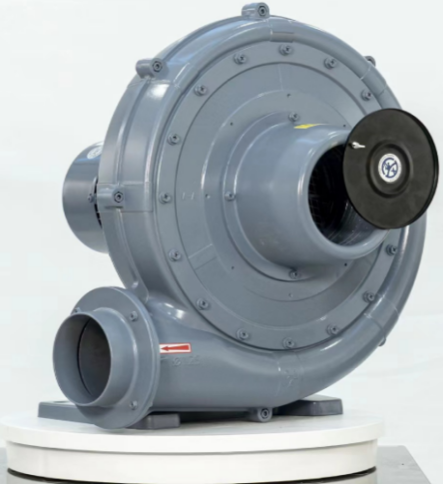
Axial fans work best when we need lots of air movement but not much resistance against the flow. Think warehouses needing fresh air circulation or shops just wanting basic ventilation. These fans move massive volumes efficiently without requiring complicated setups. The way they push air straight through makes them great for short duct runs or open spaces where there's nothing blocking the airflow path. On the flip side, centrifugal fans create much higher static pressure which is exactly what's needed for tricky ductwork systems full of filters, dampers, or those long stretches between rooms. We see these commonly in places like pharmaceutical labs where air purity matters or chemical labs with fume hoods. Their distinctive scroll housing actually bends the air direction so it keeps working even when faced with resistance that would stop an axial fan dead in its tracks. Most industrial settings end up using both types together anyway. Axials handle regular air turnover throughout the building while centrifugals tackle specific spots where serious suction power is required, such as paint booths where pressures can easily go over 1 inch water gauge.
Frequently Asked Questions (FAQ)
Why are industrial exhaust fans important for workplace air quality?
Industrial exhaust fans are crucial in removing airborne contaminants like welding smoke and chemical fumes directly at their source, enhancing overall air quality and protecting worker health.
What industries benefit the most from industrial exhaust fans?
Industries such as manufacturing, chemical processing, food production, automotive repair, and commercial kitchens significantly benefit from industrial exhaust fans in ensuring air quality and safety.
How do industrial exhaust fans contribute to compliance with safety standards?
Properly installed industrial exhaust fans help meet OSHA, ACGIH, and local ventilation standards, reducing the risk of fines and ensuring a safer work environment.
What is the difference between axial and centrifugal exhaust fans?
Axial fans are ideal for moving large volumes of air with minimal resistance, while centrifugal fans are better suited for setups requiring high static pressure, typically handling complex ductwork systems.
Table of Contents
-
How Industrial Exhaust Fans Enhance Workplace Air Quality
- Removing airborne contaminants and particulate matter at the source
- Integrating industrial exhaust fans with hoods, ductwork, and filtration
- Critical Applications of Industrial Exhaust Fans by Industry
- Health, Safety, and Regulatory Compliance Benefits
- Selecting and Sizing the Right Industrial Exhaust Fan
- Frequently Asked Questions (FAQ)