 EN
EN

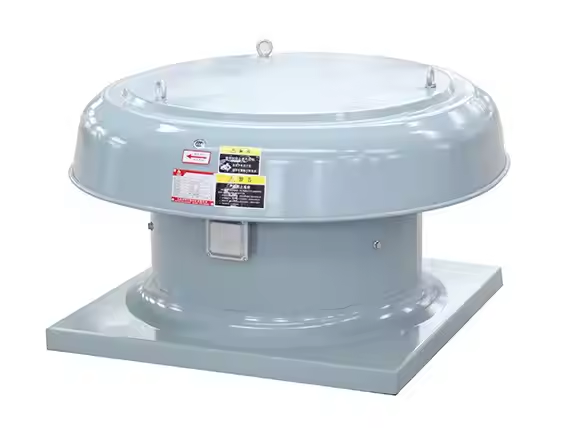
How Extractor Fans Eliminate Odors: Science, Speed, and Ventilation Strategy
The Physics of Odor Removal: Why Mechanical Extraction Beats Filtration Alone
Extractor fans get rid of smells by moving air around mechanically, basically creating negative pressure that pushes bad indoor air out to the outside world. Filtration systems work differently, trapping particles but just recycling the same old air back into the room. Extraction actually tackles odor molecules right where they start. The whole thing works because of basic principles of how air moves: fans speed up the airflow through ductwork so fresh air replaces stale air pretty quickly. Tests have shown that these mechanical systems can take away about 95% of stuff floating in the air, including those pesky VOCs we get from cooking and all that damp air hanging around, within just five minutes. Compare that to filters working alone, which need more than half an hour to do something similar. There are plenty of good reasons why people prefer this method...
- Molecular expulsion: VOCs and other gaseous pollutants are physically ejected, not just captured
- Humidity control: Lowers relative humidity by up to 60% within 10 minutes, inhibiting mold growth and musty odors (ASHRAE 2023)
- Pathogen reduction: Reduces airborne bacteria concentration by 80% compared to recirculating HVAC systems
Spot vs. Whole-Room Ventilation: Why Targeted Extractor Fan Placement Matters
Getting the right spot for ventilation makes all the difference when it comes to getting rid of smells quickly while saving energy. When we install extraction fans right above where bad odors come from, like over cooking stoves or bathroom showers, those fans grab the mess before it spreads throughout the space. Whole room systems just push air around generally and aren't as effective. Studies indicate that putting vents exactly where needed can cut down on smell removal time by about three fifths and slash energy consumption by almost half. Here are some important tips about where to place these systems properly:
- Kitchens: Mount within 30 cm vertically above cooking surfaces to intercept rising steam and grease-laden vapors
- Bathrooms: Position centrally on ceilings or opposite shower enclosures to maximize capture of humid, odor-carrying air
- Ducting: Limit total duct length to 1.5 meters and minimize bends to preserve static pressure and airflow velocity
Choosing the Right Extractor Fan Type for Odor Control
Axial Fans: Cost-Effective Solutions for Low-Resistance Kitchen and Bathroom Applications
Axial fans work by using a propeller type design that pushes air along the same line as the fan's shaft. These are best suited for short ducts that run straight for less than three meters. Since they don't produce much static pressure, they're great for places like home kitchens and bathrooms where there isn't much resistance against airflow. Most homeowners find these fans do just fine with regular cooking steam and bathroom moisture, exchanging enough air while keeping noise around 35 decibels or lower. But watch out when the duct gets longer, has corners, or goes up vertically because that really cuts down on performance. That makes axial fans not so good for complicated setups. Still, if someone needs ventilation for a small kitchen space or bathroom and wants something simple, quiet, and budget friendly, axial fans still make sense for many people.
Centrifugal and In-Line Extractor Fans: High-Static-Pressure Performance for Ducted Systems
Duct systems with lots of turns, going up vertically, or running longer than four meters really need centrifugal or in line fans to work properly. The centrifugal type moves air at right angles through spinning blades, creating enough pressure (usually over 100 Pascals) to push through all those twists and turns in the ducting. Inline models go straight into the duct itself, which saves space and cuts down on noise - something folks living in apartments or near hospitals definitely appreciate. These fans have sealed motors that stand up better to grease buildup and moisture compared to old style propeller fans. Some even come with built in humidity detectors that kick them on automatically when there's too much dampness in the air. Tests show they move about 30 percent more air through tight spaces than regular axial fans do, so bad smells actually get expelled instead of just hanging around partially recycled throughout the house.
Critical Performance Metrics for Odor-Specific Extractor Fans
Extraction Rate (m³/h) and Real-World Odor Load Matching
How fast an extractor fan removes smelly air depends on its extraction rate, which is measured in cubic meters per hour (m³/h). To really control bad smells, we need to match this number with two things: the size of the space and how strong the smell actually is. Take kitchens for instance. Most experts say they need around 10 to 15 air changes every hour. So if someone has a kitchen that's 20 square meters, they probably want something between 200 and 300 m³/h for regular cooking stuff. Get the fan too small and people will keep breathing in those lingering food smells. But go too big and the fan just wastes electricity while blowing cold air everywhere. When shopping for one, look at when the worst smells happen like deep frying or long showers. Pick a model that can handle those peak times. Getting the right size means bad stuff gets sucked out before it spreads all over the place, keeping the air clean without spending money on unnecessary power.
Noise Levels (dB), Energy Efficiency, and Continuous Duty Ratings
The noise level, measured in decibels (dB), really matters for how livable a space feels. Most residential setups need to stay under 40 dB so they don't drive people crazy. When it comes to energy savings, electronically commutated (EC) motors are game changers. These babies can slash power usage by around 70% compared to old school AC motors because they adjust their speed based on what's actually needed at any given moment. In places where fans run constantly like commercial kitchens or households with lots of cooking activity, checking those continuous duty ratings becomes essential. They tell us if the equipment can handle non-stop operation day after day without overheating or breaking down. And let's not forget variable speed controls either. These features allow the system to dial back performance during times when there's little smell hanging around, then kick into high gear whenever something stinky happens in the kitchen. All these factors combined mean we get extractor fans that work quietly, save money on electricity bills, and keep odors at bay consistently throughout the home without making anyone want to move out.
FAQs
What are VOCs and why should I be concerned about them?
VOCs, or volatile organic compounds, are gases emitted by certain solids and liquids. They can have short- and long-term health effects and contribute to indoor air pollution.
How do extractor fans differ from air filters?
Extractor fans expel odors and pollutants from indoor to outdoor air, while air filters trap particles and recycle the same air within the room.
What is the ideal placement for extractor fans?
Extractor fans should be placed close to odor sources like kitchens and bathrooms. Specific placements include above cooking surfaces and centralized in bathrooms.
How do axial fans differ from centrifugal fans?
Axial fans are best for short, low-resistance ducts, while centrifugal fans handle longer, curved ducts with higher static pressure needs.