 EN
EN
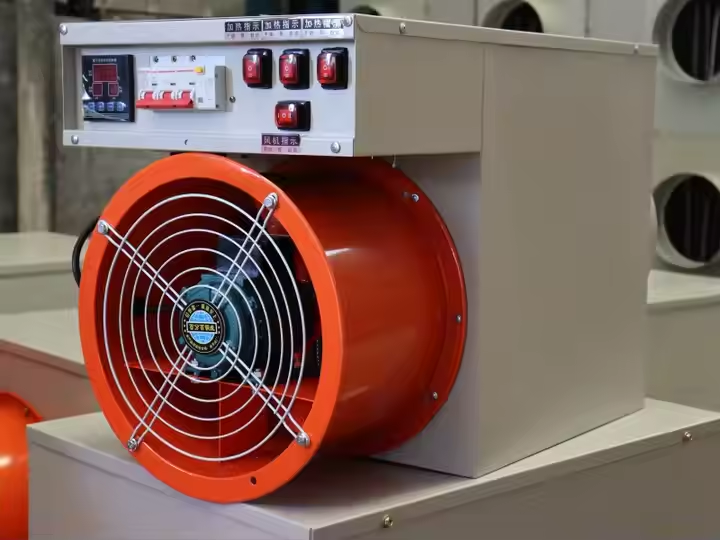
Inspect and Maintain Fan Blades, Motor, and Shaft for Peak Performance
Visual inspection of indoor blower and outdoor condenser fan blades
Regularly examine fan blades for cracks, debris buildup, or warping—issues that can reduce airflow by up to 30% in heating fan systems. Clean with non-abrasive solutions, focusing on blade curvature where imbalance often begins. Even minor accumulations can disrupt aerodynamic efficiency, so thorough cleaning during routine maintenance is essential.
Evaluating motor performance and detecting signs of overheating
Keep an eye on motors showing unusual amperage draws since this often means bearings are wearing out. Also watch for vibrations going over 2.8 mm/s, plus look at things like discoloration in the windings or that telltale smell of burnt insulation. Thermal imaging works really well to spot hot spots where temperatures differ by 15 degrees Fahrenheit or more across the motor casing. These temperature differences usually point to problems with lubrication or air flow getting blocked somewhere in the system.
Assessing fan shaft alignment, corrosion, and mechanical wear
Misaligned shafts increase energy consumption by 18–25% and accelerate bearing failure. Check for radial play (no more than 0.002 inches per inch of shaft diameter), corrosion pits deeper than 0.015 inches, and keyway wear that suggests loose couplings. Correct alignment ensures smooth operation and extends component life.
Detecting imbalance, warping, or debris in the fan assembly
Use vibration analysis to identify imbalance: readings above 0.1 in/sec indicate normal operation, 0.3 in/sec warrant scheduled maintenance, and 0.5 in/sec require immediate shutdown. Manually rotate blades through full cycles to detect obstructions, listening for irregular clicking or scraping sounds that suggest foreign object damage.
Lubricate Motors and Bearings to Extend Heating Fan Lifespan
Identifying Heating Fan Models That Require Regular Bearing Lubrication
Fans with sleeve bearings or older ball-bearing designs typically require periodic lubrication. High-RPM industrial units (1,500+ RPM) benefit from biannual servicing, while standard residential models (under 1,000 RPM) usually need annual attention. Look for grease fittings or inspection ports—clear indicators of serviceable components—as specified in manufacturer documentation.
Best Practices for Selecting and Applying Proper Lubricants
When selecting lubrication for fans, go with lithium based greases or synthetic oils that work well within the fan's operating temperature range, ideally within about 20 degrees Fahrenheit above and below the maximum bearing temperature. High speed applications running over 2000 RPM generally need lighter weight oils in the ISO VG 32 to 46 range while slower moving fans tend to function better when filled with NLGI number 2 grease. Apply the lubricant in thirds of the bearing cavity at a time to prevent packing it too full since overfilling can actually boost friction levels by as much as 18 percent according to some studies. For equipment with vertical shafts, look for lubricants containing what are called channeling additives these help stop the oil from migrating away from where it's needed most during operation.
Recommended Lubrication Frequency Based on Manufacturer Guidelines
| Bearing Type | Runtime Hours | Lubrication Interval |
|---|---|---|
| Sleeve Bearings | 500–1,000 | Every 3–6 Months |
| Open Ball Bearings | 1,000–2,000 | Every 6–12 Months |
| Shielded Bearings | 2,000–4,000 | Annual |
Systems in dusty environments or operating above 150°F should follow a 25% reduced interval to maintain reliability.
Sealed vs. Serviceable Bearings: Balancing Maintenance and Durability
Stainless steel bearings that are sealed tend to run trouble free for around three to five years, though they do set customers back about 40 percent more upfront compared to other types. On the flip side, bronze bearings can stick around twice as long if maintained properly, but this comes at the price of needing regular checks every three months or so. Most HVAC technicians I've spoken to (around two thirds of them work on mission critical systems) go for the sealed version because nobody wants unexpected breakdowns during peak demand periods. However factories that have full time maintenance staff usually opt for the serviceable models instead. These shops know from experience that even though there's more hands on work involved, replacing parts selectively saves money over time rather than having to replace entire units down the road.
Clean or Replace Air Filters to Sustain Efficiency and Airflow
How Clogged Filters Impair Heating Fan Performance and Increase Energy Use
Clogged filters force heating fans to work 15–30% harder, increasing energy consumption by 5–15% (DOE 2023). Restricted airflow reduces heat exchange efficiency, strains motors, and elevates operating temperatures, accelerating wear on bearings and shafts. It also allows particulates to bypass the filter, compromising indoor air quality.
Filter Replacement Schedules by System Type and Usage Level
| System Type | Low Usage | High Usage |
|---|---|---|
| Residential | Every 90 days | Every 30–45 days |
| Commercial | Every 60 days | Every 20–30 days |
In high-pollen areas or homes with pets, replace filters 25% more frequently to prevent allergen buildup and pressure imbalances.
Choosing the Right MERV-Rated Filter for Your Heating Fan System
MERV 8–10 filters provide optimal balance between particle capture and static pressure for most heating fans. Higher-rated filters (MERV 11–13) trap up to 85% of airborne particles but increase resistance by 10–20%, potentially straining the system. Always confirm compatibility—ECM motor systems generally handle higher MERV ratings better than PSC configurations.
Inspect Electrical Components to Prevent Hazards and Failures
Common Wiring Faults in Heating Fan Systems and Their Risks
When it comes to electrical failures, loose connections, worn out insulation, and corrosion at terminal points tend to be right at the top of the list. What happens next is pretty alarming these issues can create arc faults reaching temperatures over 10 thousand degrees Fahrenheit hot enough to actually melt metal parts and start fires nearby. According to data from the National Fire Protection Association, about one out of every five HVAC system fires are caused by bad wiring problems. That adds up to around seven hundred forty thousand dollars worth of damaged property each year across the country.
Step-by-Step Inspection of Terminals, Relays, and Contactors
- Visually inspect terminal blocks for discoloration or carbon tracking
- Measure relay coil resistance (typically 10–50 Ω) using a multimeter
- Examine contactor surfaces for pitting or welding marks indicating arcing
- Tighten all connections to manufacturer-specified torque (usually 15–25 in-lbs)
Always follow lockout/tagout (LOTO) procedures before beginning any inspection to eliminate risk of accidental energization.
Using Thermal Imaging to Detect Overheating Electrical Connections
Infrared cameras detect temperature differences as small as 1°F, enabling early identification of high-resistance connections. Biannual thermal inspections reduce electrical repairs by 63% (2024 study). Focus on motor starters and junction boxes, where 78% of hotspots develop due to vibration-induced loosening.
NFPA Data: 22% of HVAC Fires Linked to Faulty Wiring
As reported in NFPA’s 2023 fire analysis, neglected wiring increases the likelihood of thermal events by 4.3× compared to maintained systems. Facilities conducting semi-annual electrical audits experience 91% fewer fire incidents over five years.
Implement a Preventive Maintenance Plan for Long-Term Reliability
Creating a seasonal heating fan maintenance checklist
A structured checklist ensures consistent performance and safety. Key tasks include belt tension checks, air intake cleaning, and thermostat calibration. Tailor seasonal focus: optimize airflow before cooling seasons and prioritize combustion safety before heating cycles. Research shows that 22% of HVAC-related fires result from skipped maintenance (NFPA 2023).
Scheduling safe shutdowns with lockout/tagout (LOTO) protocols
Enforce LOTO procedures during internal maintenance by disconnecting power sources, applying warning tags, and testing circuits before work begins. These steps prevent accidental startups, which contribute to 17% of industrial fan injuries annually.
Monitoring performance trends to predict and prevent failures
Track three critical indicators: motor amp draw fluctuations beyond ±10%, vibration levels exceeding 0.25 in/sec, and abnormal temperature differentials across heat exchangers. Integration with building automation systems enables real-time alerts when thresholds are breached, supporting proactive intervention.
Verifying system readiness during startup and safety inspections
Perform a 5-point verification before seasonal operation:
- Ensure 36-inch clearance around outdoor units
- Confirm secure electrical connections (<1Ω resistance)
- Test blade rotation manually for smooth movement
- Verify unobstructed condensate drainage
- Validate functionality of safety interlocks and limit switches
This final check confirms operational efficiency and compliance with safety standards.
FAQ
What are the common signs of overheating in a motor?
Common signs of overheating include unusual amperage draws, vibrations over 2.8 mm/s, discoloration in windings, and the smell of burnt insulation. Thermal imaging can detect hot spots where temperature differences exceed 15 degrees Fahrenheit.
How often should fan blades be inspected for debris and damage?
It's recommended to conduct thorough inspections and clean fan blades during each routine maintenance session, as minor debris can disrupt aerodynamic efficiency and airflow.
What is the recommended lubrication frequency for different bearing types?
Sleeve bearings should be lubricated every 3–6 months, open ball bearings every 6–12 months, and shielded bearings annually, as per manufacturer guidelines.
Why is filter replacement important in heating fan systems?
Regular filter replacement ensures optimal airflow, reduces energy consumption, and improves indoor air quality by trapping airborne particles efficiently.
What are the benefits of seasonal maintenance checklists for heating fans?
Seasonal maintenance checklists ensure consistent performance and safety by focusing on tasks such as belt tension checks, air intake cleaning, and thermostat calibration, reducing the risk of HVAC-related issues.
Table of Contents
- Inspect and Maintain Fan Blades, Motor, and Shaft for Peak Performance
- Lubricate Motors and Bearings to Extend Heating Fan Lifespan
- Clean or Replace Air Filters to Sustain Efficiency and Airflow
- Inspect Electrical Components to Prevent Hazards and Failures
- Implement a Preventive Maintenance Plan for Long-Term Reliability
-
FAQ
- What are the common signs of overheating in a motor?
- How often should fan blades be inspected for debris and damage?
- What is the recommended lubrication frequency for different bearing types?
- Why is filter replacement important in heating fan systems?
- What are the benefits of seasonal maintenance checklists for heating fans?