 EN
EN

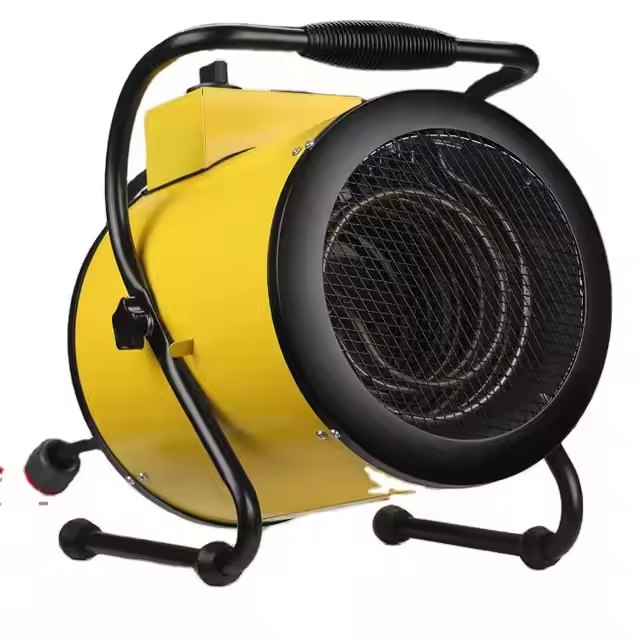
Cleaning Critical Heating Fan Components
Fan blades, motor, and housing cleaning and visual inspection
Safety first: make sure the power is completely off at the heating fan switch before starting any cleaning work. Grab a gentle brush or vacuum attachment and go over those blades to sweep away all the loose stuff stuck there. Follow that up with a quick wipe down using something damp but not soaking wet. Take this opportunity to look closely at the blades themselves. Are there any cracks? Does anything look bent out of shape? These kinds of issues can lead to annoying vibrations or even early breakdowns. Also check how secure the motor feels in its mount. When it comes to lubrication, only apply it if the maker specifically says so in their manual. And absolutely no oil on those sealed bearings! Don't forget to peek inside the housing area too. Dust buildup in there blocks proper air movement and can cut system efficiency by around 30% when left unchecked. Once everything's back online, run it for a minute or two and listen carefully. Note down anything odd like strange sounds, wobbles, or signs of wear that might need attention later on.
Heating coil cleaning and performance verification
When cleaning coils, start with a non acidic foam cleaner as directed on the package, making sure to rinse everything off completely so there's no leftover stuff hanging around. Don't go crazy with high pressure water though because those tiny fins are pretty fragile and getting them bent out of shape can really cut down on how well they transfer heat sometimes by as much as twenty percent. If some of the fins got messed up during cleaning or maintenance, grab a fin comb and gently straighten them back out. This helps get the air flowing properly again and makes sure the system makes good contact with the surrounding area. To check if things worked right after cleaning, measure the temperature difference between both sides of the coil. Most folks find that when there's about a fifteen to twenty degree Fahrenheit gap (which is roughly eight to eleven degrees Celsius), everything seems to be working fine. But if that number drops below normal levels, it probably means something still needs another round of cleaning since there must be some buildup left behind somewhere.
Inspecting and Maintaining Airflow Systems
Inducer fan and indoor blower assessment for debris, wear, and alignment
Before doing any inspection work, make sure the heating fan system is powered down completely. Follow proper lockout/tagout procedures to ensure there's no electricity running through the system. When checking the interior, look closely at both the blades and housing area for buildup of dust, lint, or anything else that might be stuck inside. These blockages can really cut down airflow by as much as 15 to 20 percent in badly clogged systems. Check for signs of wear and tear too. Does the fan wheel wobble when turned? Are bearings making noises louder than normal around 50 decibels? Do any blades show cracks or damage? Getting the motor and fan shaft properly aligned is critical. A good laser alignment tool will help spot misalignment problems early because even small misalignments can triple the rate of bearing failures over time. Measure blade clearances which should generally be at least an eighth of an inch apart. Also check belt tension if belts are part of the setup. Don't wait to fix these problems. Replace worn bushings, balance out unsteady parts, and clean away all the debris with proper vacuum equipment. Taking care of these issues right away prevents unnecessary stress on motors and keeps everything running safely and efficiently.
Conducting Comprehensive Safety Checks on Heating Fan Systems
Electrical safety: isolation, lockout/tagout, grounding, and emergency stop validation
Before working on the heating fan system, make sure it's completely powered down following proper isolation procedures so nobody accidentally turns it back on while maintenance is happening. Lock out and tag all energy sources according to LOTO standards - this means physically locking them and putting warning tags everywhere possible to stop anyone from starting things up without permission. Check if the grounding works properly with a multimeter because sometimes electricity finds unexpected paths, and we don't want anyone getting shocked. Also test those emergency stops regularly by creating fake problems and seeing if they actually shut everything down when needed. Keep records of all these steps for OSHA requirements and because arc flashes can happen fast if something goes wrong. Every single precaution matters here. Skip just one step and suddenly what was supposed to be routine maintenance becomes dangerous for everyone involved.
Combustion and environmental safety: gas leak detection, CO monitoring, and fire damper functionality
When dealing with gas powered equipment, checking fuel lines is important stuff. Use either an electronic leak detector or try the old fashioned soap solution method to find those dangerous connections and get them sealed up properly. Carbon monoxide detectors should be placed no more than about 15 feet away from any place where things burn, and don't forget to check if they actually work each month. This matters a lot because CO has no smell and can kill people without warning. Fire dampers need testing too. Activate those thermal links and watch closely to see if the ducts shut completely within around 90 seconds. That helps keep smoke contained when there's trouble. Make sure all these safety checks happen alongside regular airflow tests since blocked vents can cause serious backdraft issues. Regular monitoring of the environment cuts down on fire problems by roughly 72 percent compared to just fixing things after something goes wrong. Plus, staying on top of this stuff keeps everyone compliant with those indoor air quality rules we all have to follow.
FAQ
Why is it important to turn off power before cleaning heating fan components?
Turning off the power ensures safety by preventing accidental electrical shocks or the heating fan activating during maintenance.
How often should I check for gas leaks and CO levels?
Gas leaks and CO levels should be checked regularly, ideally monthly, to ensure that there are no hazardous conditions present.
What is the importance of maintaining proper airflow in heating systems?
Proper airflow is crucial for system efficiency. Blockages can significantly reduce the efficiency, causing the system to work harder and potentially fail prematurely.
Can I use any type of cleaner on my heating coils?
No. It is important to use a non-acidic foam cleaner as acidic cleaners can damage the delicate coil fins.