 EN
EN

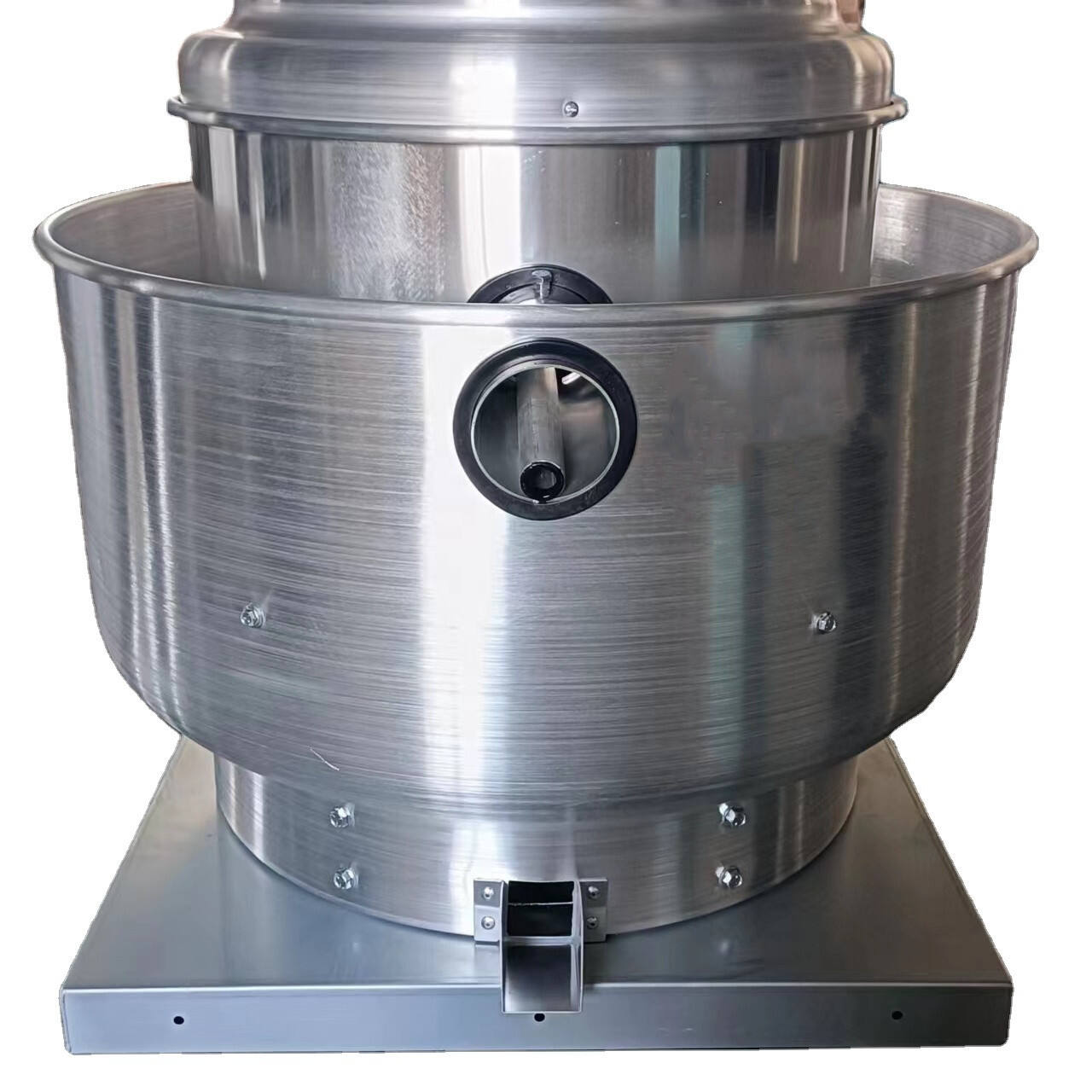
Why Food Truck Fans Are Essential for Air Quality Control
Running a food truck comes with its own set of air quality problems. When there's no good ventilation system installed, all those cooking fumes just hang around inside the tiny space. We're talking about grease vapors, heat buildup, plus tiny particles called PM2.5 that can stick to surfaces and get into people's lungs. The right size exhaust fan makes a world of difference here. It pulls out all these bad stuff before they build up enough to make workers sick or create dangerous grease fires on the walls. Most local health inspectors will check for this during their visits too. According to FDA guidelines, regular kitchens need between 15 to 20 complete air exchanges every hour. Food trucks that don't meet this basic requirement face serious consequences like getting shut down until they fix things. Good ventilation does more than keep inspectors happy though. Fresh ingredients stay better when air circulates properly. Equipment lasts longer without rust forming so quickly. And customers actually want to sit near the window instead of coughing through their meal. Studies show places with poor airflow have about 30 percent more pollution floating around in the air. So while it might seem like another expense, putting money into quality exhaust systems is really just smart business sense for anyone running a mobile kitchen operation long term.
How Food Truck Fans Work: Exhaust Mechanism, Contaminant Removal, and Real-World Efficacy
Roof-mounted food truck fan systems create negative pressure to extract airborne hazards through three critical phases:
Removing Grease Vapor, PM2.5 (particulate matter 2.5 microns), and Heat via Upblast Roof-Mounted Exhaust
Upblast exhaust fans pull contaminated air through hoods and ductwork, expelling it vertically. This process captures:
- Grease vapor: Condensed droplets intercepted by baffle filters before reaching the fan
- PM2.5: Fine particulates from charring foods, reduced by 60–80% in well-designed systems (IAQ Council, 2023)
- Heat: Thermal load from cooking equipment, lowering ambient temperatures by 15–20°F
| Exhaust Component | Function | Impact on Contaminants |
|---|---|---|
| Hood Baffles | Pre-filter grease | Captures 90%+ grease before duct entry |
| Ductwork | Channel airflow | Prevents residue accumulation in confined spaces |
| Upblast Fan | Expel contaminants | Removes heat/particulates from operator breathing zone |
Direct-drive models offer quieter operation, while belt-driven versions handle higher static pressure in longer duct runs.
The Over-Ventilation Paradox: When Fan Capacity Outpaces Duct or Hood Design
Excessive CFM (cubic feet per minute) ratings create turbulence if duct diameters or hood capture areas are undersized. This causes:
- Grease fallout: Airflow exceeding 1,500 FPM in ducts flings droplets onto walls
- Reduced efficiency: Oversized fans pull conditioned air from serving areas, wasting energy
- Noise violations: CFM increases above 2,000 correlate with 8–12 dB sound level rises
Optimal performance requires matching fan specs to hood capture velocity (100–150 FPM) and duct transport velocity (1,000–2,000 FPM). Undersized ductwork forces 70% of fans to operate below peak efficiency (ASHRAE Journal, 2022).
Integrating a Food Truck Fan into Your Ventilation System: Components, Constraints, and Coordination
The Hood–Duct–Fan Triad: Why Seamless Integration Determines Air Quality Outcomes
Food truck ventilation systems work together like puzzle pieces - the hood, ducts, and exhaust fan all need to match up correctly. The hood grabs grease smoke, heat, and those nasty combustion leftovers right where they start cooking up trouble. Then good sized ducts carry all this mess up to the fan on the roof so it can blow outside. When parts don't fit well together, problems happen fast. Take an extra big fan hooked up to tiny ducts? That creates pressure issues inside the kitchen, making the whole system grab only about 60% of what it should according to industry standards from 2023. Getting these components working as a team matters a lot for keeping kitchens safe and clean.
- Hood overhang extending 6" beyond cooking equipment to widen the capture zone
- Duct diameter aligned with fan CFM capacity
- Static pressure calibration to prevent backdrafting of carbon monoxide
Ceiling Clearance, Noise, and CFM Trade-offs in Compact Mobile Kitchens
Space limitations in food trucks necessitate calculated compromises between ventilation performance and practical constraints. High-CFM fans (≥1,200 CFM) effectively remove airborne grease but require 18–24 inches of vertical clearance—a challenge in trucks with low ceilings. Excessively powerful units may also generate noise exceeding 70 dB, violating municipal codes. Solutions include:
- Downsizing to 800–1,000 CFM with enhanced grease filters to compensate
- Angled duct adapters, saving 4–6 inches of height
- Sound-dampening shrouds, reducing noise by 15 dB without impeding airflow
Optimizing and Maintaining Your Food Truck Fan for Long-Term Air Quality Performance
Installation Best Practices: Sealing, Static Pressure Calibration, and Seasonal Adjustments
Getting the installation right makes all the difference when it comes to food truck fan performance. Make sure every joint in those ducts is sealed properly with high temp mastic because air leaks can really cut down on efficiency sometimes by as much as thirty percent. Checking static pressure should happen about four times a year with a good quality manometer. Most mobile kitchen setups work best within a range of half an inch to one inch water column. The fan speed needs adjusting according to seasons too. During hot summer months when there's lots of steam coming off cooking equipment, bump up airflow around fifteen percent extra. Come winter time though, dial back the settings just enough to save some power without sacrificing how well smoke gets captured. And don't forget to measure that space between the hood and ceiling regularly. Eighteen inches minimum is generally safe territory to keep things flowing smoothly without creating unwanted turbulence issues.
Routine Maintenance Protocols to Sustain Grease and Particulate Capture Efficiency
Keeping PM2.5 levels down and removing grease effectively requires regular filter cleaning every two weeks with good quality degreasers. Pleated filters should be replaced roughly every three to six months depending on usage conditions. Monthly blade inspections are also important because even something as small as 0.1 ounce of built up grease can cause vibrations to jump by around 40%, which definitely impacts airflow performance. Don't forget to lubricate those bearings with high temperature grease once per quarter too. And make sure to run annual motor amp draw tests so any signs of wear get caught early before they become bigger problems. Logging all these maintenance activities makes a big difference. According to a recent study from the National Restaurant Association in 2023, food trucks that keep detailed service records tend to have fans lasting about 70% longer than those that don't track their maintenance properly.
Frequently Asked Questions (FAQ)
Why is ventilation important in food trucks?
Ventilation in food trucks is crucial because it removes harmful fumes, grease vapor, and PM2.5 particles, preventing health issues and fire hazards. It also ensures food quality and equipment longevity by creating a clean and safe environment.
How often should a food truck's ventilation system be checked?
It's recommended to check the static pressure of the ventilation system at least four times a year. Routine filter cleaning should occur every two weeks, and pleated filters should be replaced every three to six months. Additionally, regular inspections of ductwork, blades, and bearings are important to maintain efficiency.
What factors affect the choice of exhaust fan for a food truck?
Key factors include the fan's CFM capacity, the size and design of the ductwork, hood overhang dimensions, and the truck's ceiling clearance. Matching these components correctly ensures optimal performance, prevents noise violations, and saves energy.
How do food truck fans handle noise issues?
High-CFM fans may exceed noise regulations, so solutions like downsizing to lower CFM, using angled duct adapters, and installing sound-dampening shrouds can reduce noise without affecting airflow.
Table of Contents
- Why Food Truck Fans Are Essential for Air Quality Control
- How Food Truck Fans Work: Exhaust Mechanism, Contaminant Removal, and Real-World Efficacy
- Integrating a Food Truck Fan into Your Ventilation System: Components, Constraints, and Coordination
- Optimizing and Maintaining Your Food Truck Fan for Long-Term Air Quality Performance
- Frequently Asked Questions (FAQ)