 EN
EN

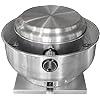
Why Food Truck Fan Cleaning Is Critical for Safety and Compliance
Mitigating Fire Risk from Grease Accumulation in Exhaust Systems
When grease builds up inside food truck exhaust systems, it creates a real fire danger. The stuff gets super flammable after sitting there while the grill runs hot all day long. Just one little spark from somewhere can cause a major flash fire without warning. The NFPA reports something shocking actually - around 4 out of 10 fires in mobile kitchens start right in those ventilation ducts. Cleaning those fans regularly is essential because it takes away all that built up gunk before it turns into a serious problem. Plus, clean vents work better too since air flows through them properly. Most experienced operators know they need to get their trucks professionally degreased every month when business is booming. Otherwise, there's always that nagging worry about what might happen next time someone accidentally drops a lit cigarette near the exhaust system.
Meeting Health Department Standards and Protecting Brand Reputation
In most parts of the United States, around 90 percent of local health authorities mandate that restaurant owners keep records showing their exhaust systems are cleaned every month. If they don't follow these rules, restaurants face hefty fines anywhere between five hundred dollars and five thousand dollars for each problem found during inspections. But there's more at stake than just money. When those kitchen hoods aren't properly maintained, bacteria starts growing inside them, which makes food safety a bigger concern and lowers the overall score on health inspections. And let's face it, nobody wants to see bad news about their favorite eatery posted online. A simple negative review or picture of closed doors after an inspection failure could cut into a restaurant's income by as much as thirty percent in just one quarter. Regular cleaning of those fans isn't just about avoiding trouble with regulators though. It actually protects the restaurant's ability to stay open while building real trust with customers over time. That kind of maintenance work pays off in ways that go far beyond the immediate costs.
How to Clean a Food Truck Fan: A Safe, Effective 5-Step Process
Step 1: Power Down, Cool Down, and Gear Up with Proper PPE
Turn off the food truck power supply at the main breaker box first, then make sure the fan is completely disconnected so it doesn't start up by accident while working. Let everything cool down for about half an hour to forty five minutes. Hot spots can cause burns and there's also that real danger of grease catching fire if things aren't cooled properly. Once ready, put on proper safety gear: gloves that resist chemicals, those special goggles rated by ANSI standards, plus a long sleeve apron to cover arms. No shortcuts here folks. Skipping this part or trying to rush through puts everyone at risk and makes the whole cleaning job less effective in the end.
Step 2–4: Remove, Soak, and Scrub Filters; Degrease Hood and Fan Housing
Follow this three-phase sequence:
- Remove filters: Carefully extract mesh or baffle filters without bending or damaging components.
- Soak and scrub: Immerse filters in a heated, NSF-approved degreaser solution (140°F/60°C) for 15–20 minutes. While soaking, spray hood interiors and fan housing with the same degreaser and agitate with non-metallic brushes to loosen hardened grease.
- Rinse and inspect: Pressure-rinse all parts using 180°F (82°C) water until no residue remains. Reapply degreaser to stubborn areas. Replace any bent, warped, or corroded filters immediately—damaged units impair airflow and violate health code requirements.
Step 5: Sanitize, Reassemble, and Verify Airflow and Seal Integrity
Treat all cleaned components with an EPA-registered food-contact sanitizer, ensuring full 60-second contact time to eliminate pathogens. Reassemble precisely, verifying gasket alignment and bolt torque. Once reinstalled, power on the fan and perform two quick verification checks:
- Hold a tissue near the hood opening—proper suction will pull it flush against the grate.
- Listen for abnormal vibrations or grinding sounds, which signal misalignment or bearing wear.
Document results for health inspections. When performed consistently, this protocol reduces fire-related incidents by 30% compared to partial or infrequent cleaning.
Pro Tips to Extend Food Truck Fan Lifespan and Performance
Proactive maintenance not only sustains airflow efficiency but also prevents premature failure—industrial airflow studies show consistent upkeep avoids 80% of early-stage breakdowns. Apply these evidence-backed practices:
- Clean blades and housing bi-weekly: Use non-abrasive tools and pH-neutral detergents to remove surface grease. A Southeast Asian seafood food truck extended fan life by 100% through gentle, scheduled cleaning instead of aggressive pressure washing.
- Lubricate bearings quarterly: Apply food-grade lubricant to reduce friction wear. Facilities that address bearing issues within 72 hours of detection cut related repair costs by 60%.
- Inspect electrical components seasonally: Check wiring insulation, terminal tightness, and grounding integrity before high-demand periods.
- Monitor vibration patterns regularly: Unusual oscillations indicate imbalance—a leading cause of motor failure—and warrant immediate attention.
- Verify shutter functionality monthly: Ensure automatic dampers open and close freely to maintain proper ventilation and fire suppression readiness.
| Maintenance Component | Frequency | Critical Action |
|---|---|---|
| Motor & Housing | Every 3 months | Degrease surfaces |
| Moving Parts | Quarterly | Lubricate bearings |
| Electrical System | Seasonally | Tighten connections |
Schedule professional inspections annually to uncover hidden issues like duct contamination, motor degradation, or suppressed airflow—proactive diagnostics reduce replacement costs by up to 40% versus reactive repairs and support ongoing compliance.
When to Call a Professional for Food Truck Fan Maintenance
Signs of Deep Duct Contamination or Motor Malfunction
When there's still that greasy smell after regular cleanings, when we can see the gunk building up inside those exhaust ducts, or when strange sounds start coming from the system like grinding, screeching, or even a weird rhythmic thump, these are all signs something serious is going on with either the grease buildup or maybe a mechanical problem. Trying to fix things ourselves on those sealed ducts or messing around with electrical parts isn't just risky business it can actually cancel out any warranty coverage, break important fire safety rules set by NFPA 96, and create brand new problems nobody wants. That's why professionals step in with their special industrial strength degreasing solutions and high precision pressure washing equipment. They know how to tackle those grease layers that go beyond what NFPA 96 considers safe (about 1/8 inch thick). These deposits might look harmless to us but they're actually super dangerous, hiding right there in plain sight.
Annual Certification Requirements and Third-Party Inspection Benefits
The majority of health departments across the country mandate yearly fire safety checks for mobile food businesses. When food trucks need their certifications, professional inspection companies handle all the paperwork to show they meet standards like NFPA 96 plus whatever local regulations apply. These experts test the fire suppression systems, check how sturdy those fan housings are, and make sure all the ductwork seals properly. A recent report from the International Risk Management Institute shows something interesting too. Businesses that get these third party inspections often see their insurance costs drop between 15% and 30%. Plus, inspectors catch small problems with equipment long before they turn into big headaches when the business is busiest. This proactive approach saves money in the long run and keeps customers safe at the same time.
FAQ
How often should food truck fans be cleaned?
Food truck fans should be degreased professionally every month when business is booming to prevent grease buildup and ensure safety and compliance with health standards.
What are the signs that a food truck fan needs professional maintenance?
Signs include persistent greasy smells after cleaning, visible gunk buildup, abnormal sounds like grinding or screeching from the system, which might indicate deep duct contamination or motor malfunction.
Why is professional inspection beneficial?
Professional inspections are crucial for certification, compliance, uncovering hidden issues, reducing insurance costs, and catching small problems before they become major headaches.