 EN
EN

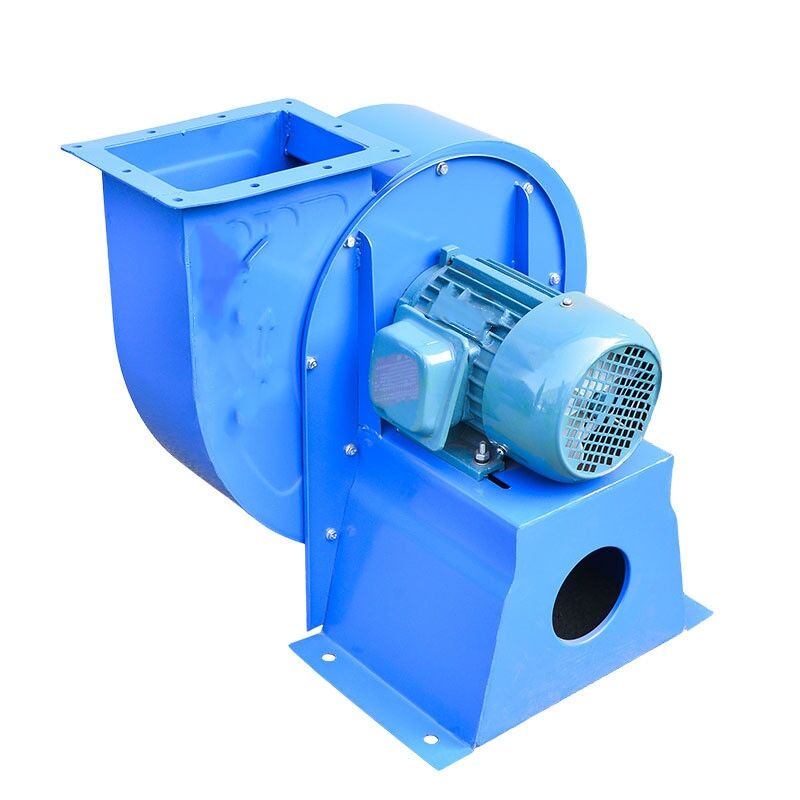
How High-Pressure Blower Fans Work: Principles and Key Components
Conversion of mechanical energy into high-pressure airflow
Blower fans under high pressure work by turning the spinning power of motors into directed airflow through something called centrifugal force. When a motor turns an impeller between 1,800 and 3,600 revolutions per minute, those tiny air particles get pushed outwards in all directions. This movement changes the mechanical energy from the motor into what's known as static pressure, which engineers usually measure in inches of water gauge (in. WG). Some big industrial versions can actually reach around 25 inches of WG pressure, though recent studies on fluid movement in 2024 might suggest even higher potential for certain applications.
The role of centrifugal force in generating consistent air pressure
The centrifugal force creates pressure when it speeds up air moving past the blades on the impeller. Inside this special shaped casing called a volute, the fast moving air slows down but gains pressure instead. This lets the system maintain good performance levels even when running at around 85 to 95 percent capacity. These kinds of systems actually handle pressure better than those axial type fans we see so often. Looking at numbers from industry standards like ASHRAE, blowers typically have pressure ratios between 1.11 and 1.2, while regular fans fall below 1.11. Some heavy duty models can push out as much as 25 thousand cubic feet per minute of airflow, which is pretty impressive for industrial settings.
Core components of centrifugal blower design and their functions
Three core elements determine system efficiency:
- Impeller: Backward-inclined blades reduce turbulence, improving efficiency by 12-18% over radial designs
- Housing: Volute profiles convert 60-75% of kinetic energy into static pressure
- Drive System: Direct-coupled motors limit energy losses to less than 3%
Proper alignment of these components is critical; as studies show, misalignment can cause vibration-related efficiency drops of up to 22% during continuous operation.
Air Pressure and Airflow Dynamics in Industrial Blower Systems
Understanding Static Pressure, Dynamic Pressure, and Their Balance
The performance of industrial blower systems really hinges on finding the right mix between static pressure, which is basically resistance against airflow, and dynamic pressure that comes from moving air itself. Most engineers aim for around a 3 to 1 ratio where static pressure dominates over dynamic pressure so the system runs smoothly without wasting energy. When this balance gets thrown off track, often because someone installed ductwork that's too small for the job, things start going wrong. The dynamic pressure becomes too high, making the whole setup less effective for tasks such as moving materials through pneumatic conveyors. We've seen this happen plenty of times in manufacturing plants where improper sizing leads to all sorts of operational headaches down the line.
Measuring Pressure Ratios and Optimizing Airflow Capacity
The pressure ratio basically measures how much difference there is between what comes out and what goes into a blower system, and this number tells us if the blower can handle whatever resistance it faces. Modern monitoring tech has gotten pretty smart these days, adjusting those blades whenever pressure starts drifting more than 15% from normal levels according to industry research on airflow management. For processes that need really stable conditions like combustion air delivery systems, even small changes matter a lot. Fuel mixes just don't work right when pressures swing around by plus or minus 5%, so keeping things steady makes all the difference in actual operation.
Performance Under Variable Loads: Stability and Efficiency Trade-Offs
Variable frequency drives (VFDs) allow modern blowers to adapt to changing loads, but operational trade-offs exist:
- 50-70% RPM range: Optimal efficiency for applications like wastewater aeration
- Below 40% RPM: Increased risk of motor overheating and pressure instability
To avoid performance dips during peak production, operators often maintain fan operation above 60% of the fan curve, prioritizing reliability over maximum energy savings in batch processes.
Centrifugal Blower Design: Blade Types and Efficiency Impact
Forward-Curved, Backward-Inclined, and Radial Blade Configurations Compared
The shape of blades really affects how blowers perform in different industrial situations. Those forward curved blades with around 30 to 40 degrees of bend tend to push a lot of air when there's not much resistance, which is why they work so well in heating and cooling systems. For applications needing more pressure, backward inclined blades at about 50 to 60 degrees angle actually run pretty efficiently between 78 and 84 percent efficiency levels. They're great for things like supplying air to burners or furnaces. Then there are radial blades standing straight up vertically that hold up much better in dusty environments where materials get mixed into the airstream during handling operations. According to recent tests from the Fan Technology Review in 2024, these radial blade designs keep almost 92% of their original efficiency even after running for 10,000 hours in gritty conditions. That makes them about 18 percentage points ahead of their curved counterparts over time.
Blade Design Influence on Pressure Generation and System Efficiency
Blade angle and shape directly affect key performance indicators:
- Pressure rise: Backward-inclined blades generate 2.1 more static pressure than forward-curved types at identical RPMs
- Power consumption: Radial configurations reduce motor load by 12-15% in constant-speed operations
- Efficiency bandwidth: Backward-inclined designs sustain >80% efficiency across 115-230% of rated airflow, compared to 65-85% for forward-curved units
Centrifugal System Analysis confirms backward-inclined blowers save $7,200 annually per 100 hp unit in continuous operations offsetting their 20-35% higher initial cost within three years.
Bridging the Gap: Theoretical Efficiency Claims vs. Real-World Performance
While manufacturers claim 85-92% efficiency, real-world installations typically experience 9-14% degradation due to:
- Air leakage at housing joints (±2.5% loss)
- Motor-drive misalignment (±4.1% loss)
- Surface roughness from corrosion or erosion (±3.8% loss)
Even minor imbalances such as a 0.1mm impeller offset can increase vibration-related losses by 6%. Precision assembly and regular laser alignment, guided by ISO 14694 standards, restore up to 89% of original performance within 12-month maintenance cycles.
Interpreting Fan Performance Curves for Optimal Operation
Reading and Applying Fan Curves in Industrial Settings
Performance curves for fans show how airflow volume relates to static pressure and power consumption across different conditions. These charts come from tests done according to ANSI/AMCA Standard 210, giving plant managers a visual tool to find where their equipment runs most efficiently. Take wastewater treatment facilities as a point in case. Operators there typically plot the system resistance line so they can keep blowers running about 15 to 20 percent below top pressure levels. This creates a buffer zone that prevents system instability during peak loads while still leaving enough headroom for unexpected demands on the equipment.
Avoiding Stall Regions and Unstable Operating Zones
On the left part of a fan curve lies what's called the stall region. Here we get situations where there's not enough air moving through but pressure builds up, causing all sorts of problems like turbulence and extra strain on the machinery. A real world example comes from a cement manufacturing facility that kept having issues with their bearings failing over and over again. After some investigation, they found out these failures were happening because the equipment was running in exactly this problematic area of the curve. When engineers adjusted operations so the system operated about 18 percent further to the right on the curve, something interesting happened. The vibrations dropped by around 43 percent according to industry research from Ponemon back in 2023, which brought things back to normal operation levels.
Case Study: Preventing Performance Drops Through Curve Analysis
A pharmaceutical facility cut energy costs by 27% after aligning SCADA data with fan curves. Engineers discovered two blowers operated at just 65% efficiency due to oversized ductwork, which shifted the system curve into a suboptimal region. By resizing ducts and adjusting dampers, they moved operations into the peak efficiency zone.
Trend: Digital Twin Technology for Real-Time Blower Monitoring
Emerging digital twin systems integrate IoT sensors with real-time performance models, predicting deviations before alarms trigger. A 2024 pilot in steel mill combustion systems demonstrated a 39% reduction in unplanned downtime by detecting early drift toward stall conditions and enabling proactive adjustments.
Optimizing and Applying High-Pressure Blower Fans in Industrial Settings
Maintenance Best Practices to Sustain Long-Term Performance
Preventive maintenance reduces downtime by 40% in high-pressure blower systems. Quarterly inspections should focus on impeller wear, bearing lubrication, and housing integrity. Critical parameters include:
- Vibration levels below 4.5 mm/s RMS
- Motor temperatures under 80°C
- Airflow stability within ±5% of baseline
Regular calibration and condition monitoring extend service life and preserve efficiency.
Key Applications in Wastewater Treatment, Pneumatic Conveying, and Combustion
Centrifugal blowers aerate 60% of activated sludge in wastewater treatment plants, maintaining 7-12 psi pressures essential for microbial activity. In pneumatic conveying, backward-inclined blade designs enable 98% material transfer efficiency at velocities around 15 m/s. For high-pressure combustion, radial blowers deliver precise 25:1 air-to-fuel ratios with ±2% stability, ensuring complete burn and emissions compliance.
Integration Challenges With HVAC and Process Air Systems
When adding blowers to existing HVAC systems or process air networks, technicians often need to adjust how static pressure works throughout the system. According to research from 2023, putting in pressure relief valves cut down on those annoying harmonic vibrations by around two thirds in mixed systems. Most modern installations now use specially made dampers along with bypass ducts to handle about four out of five airflow problems when upgrading equipment. This approach lets companies install new blower setups while keeping everything running smoothly without messing up the overall system balance.
Frequently Asked Questions
What is the primary function of a high-pressure blower fan?
High-pressure blower fans are designed to convert mechanical energy from a motor into high-pressure airflow, utilizing centrifugal force to achieve this goal.
How do backward-inclined blades affect blower fan efficiency?
Backward-inclined blades reduce turbulence and enhance efficiency, leading to improved performance over traditional radial designs.
What is the significance of preventing blower fans from operating in the 'stall region'?
Operating in the stall region can cause turbulence and put excessive strain on machinery, leading to operational failures and maintenance issues.
Why is preventive maintenance critical for high-pressure blower systems?
Preventive maintenance ensures sustained long-term performance, reducing downtime by focusing on key components like impeller wear and bearing lubrication.
What role does digital twin technology play in blower fan performance?
Digital twin technology enables real-time monitoring of blower fan systems, predicting deviations, and allowing for proactive adjustments to reduce unplanned downtime.
Table of Contents
- How High-Pressure Blower Fans Work: Principles and Key Components
- Air Pressure and Airflow Dynamics in Industrial Blower Systems
- Centrifugal Blower Design: Blade Types and Efficiency Impact
- Interpreting Fan Performance Curves for Optimal Operation
- Optimizing and Applying High-Pressure Blower Fans in Industrial Settings
-
Frequently Asked Questions
- What is the primary function of a high-pressure blower fan?
- How do backward-inclined blades affect blower fan efficiency?
- What is the significance of preventing blower fans from operating in the 'stall region'?
- Why is preventive maintenance critical for high-pressure blower systems?
- What role does digital twin technology play in blower fan performance?