 EN
EN

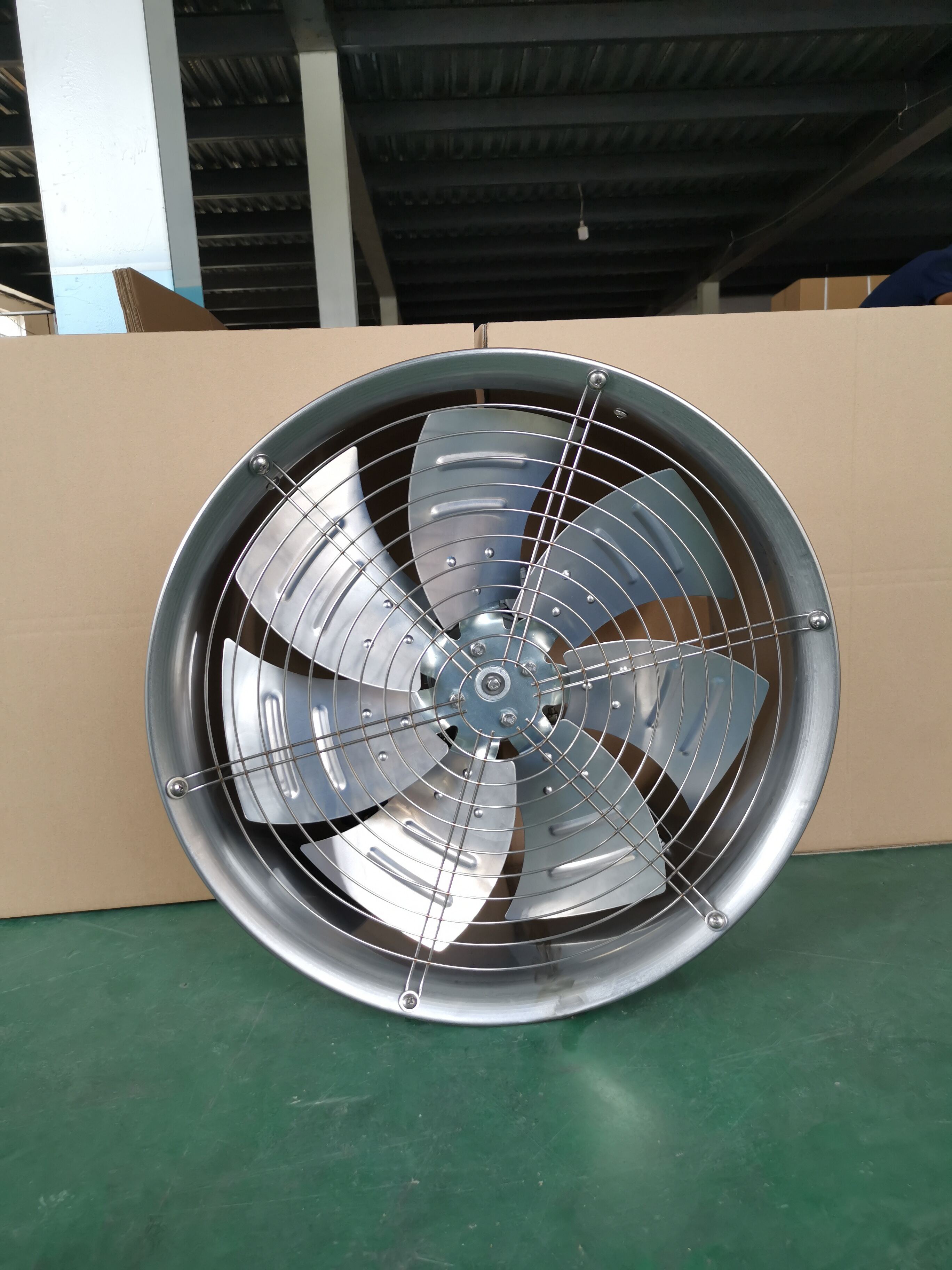
The Impact of Ventilation Fan Systems on Building Energy Consumption
Ventilation fans account for 15-25% of total energy use in commercial HVAC systems (DOE 2023). Traditional systems often operate continuously, with studies showing 40% of runtime occurring when spaces are unoccupied. This inefficiency drives up energy bills and contributes to carbon emissions equivalent to adding 2.1 million cars annually to U.S. roads.
Key Technologies That Balance Indoor Air Quality and Energy Use
Modern ventilation systems leverage three core innovations:
- Electronically Commutated Motors (ECMs) - Reduce energy use by 68% compared to AC motors
- Variable Frequency Drives (VFDs) - Adjust fan speed based on real-time demand
- Demand-Controlled Ventilation (DCV) - Uses CO₂ sensors to deliver fresh air only when needed
A 2024 University of Michigan study found that buildings combining these technologies maintained ASHRAE air quality standards while cutting energy costs by 54%.
| Technology | Energy Savings | Air Quality Improvement |
|---|---|---|
| Traditional Fans | Baseline | Baseline |
| ECM + VFD | 62% | +18% (PM2.5 removal) |
| ECM + VFD + DCV | 79% | +22% (CO₂ reduction) |
The Rise of Eco-Friendly Ventilation in Residential and Commercial Spaces
ENERGY STAR-certified residential ventilation fans now achieve 60% higher efficiency than standard models (EPA 2024), while commercial retrofits—such as Walmart’s 2023 pilot program—demonstrated 55% energy savings. Cities like Seattle now require HRV/ERV systems in multifamily housing to align with 2030 climate goals.
Case Study: Office Building Retrofit With Smart Ventilation Controls
A 120,000 sq ft Chicago office reduced HVAC energy use by 68% annually after upgrading to ECM-powered fans with occupancy-based controls. The $240,000 project achieved payback in 3.2 years through utility rebates and operational savings, while reducing its carbon footprint by 412 metric tons.
Trend: Integration of High-Efficiency Motors (e.g., ECM) in Modern Ventilation Fans
ECM adoption grew 37% year-over-year (ABI Research 2024), driven by DOE regulations mandating minimum 65% efficiency for commercial fans by 2025. These motors now appear in 81% of premium residential models, operating at just 12 watts—comparable to an LED light bulb—while delivering quiet, reliable performance.
Design Innovations That Maximize Ventilation Fan Energy Savings
Optimizing Airflow Dynamics for Reduced Energy Demand
Advanced airflow optimization significantly improves efficiency. Using computational fluid dynamics (CFD), engineers refine blade curvature and housing geometry to reduce air turbulence by up to 40% (industry studies 2023). These design enhancements enable fans to move the same volume of air using 20% less energy, directly lowering electricity costs in commercial settings.
Principle: Smart Aerodynamic Design Leads to Sustained Efficiency
Biomimetic engineering is enhancing durability and performance. Owl-inspired serrated blade edges and winglet extensions minimize vortex shedding, a major source of energy loss. In Midwest U.S. schools, aerodynamic retrofits maintained 94% airflow efficiency after 15,000 hours of operation, compared to a drop to 78% in conventional fans over the same period.
Case Study: Traditional vs. Energy-Efficient Fans in School Environments
A 2022 Pennsylvania school district replaced 87 outdated ventilation fans with ENERGY STAR-certified models featuring tapered blade tips and brushless DC motors. The upgrade saved 112,000 kWh annually (18% reduction), equivalent to powering 12 classrooms for a year. Maintenance costs fell by 32% due to reduced motor wear from smoother airflow paths.
Strategy: Choosing ENERGY STAR and High-SEER-Rated Ventilation Fans
Select fans with SEER ratings ≥16 and ENERGY STAR certification, which meet strict EPA-verified airflow-to-wattage ratios. These units consume 45% less energy than baseline models while maintaining indoor air quality—critical given that commercial ventilation accounts for 28-34% of total building energy use.
Heat Recovery (HRV) and Energy Recovery (ERV) Ventilation Systems
Understanding mechanical ventilation with heat recovery (MVHR)
The problem of losing energy when bringing in fresh air gets solved pretty well by mechanical ventilation with heat recovery, or MVHR for short. These systems work their magic through heat exchangers that can pass along around 90% of the warmth from outgoing air to what's coming in fresh. This means buildings stay at comfortable temperatures even while they're getting ventilated properly. Traditional fans just blow out all that warmed or cooled air without thinking about it. But MVHR actually keeps about 15 to 30 percent of the energy that would otherwise disappear during normal air exchanges. According to some recent research on HVAC efficiency from last year, this makes a real difference in overall building performance.
How HRV and ERV systems reduce thermal loss while ensuring fresh air exchange
HRV systems recover sensible heat, making them ideal for cold climates. ERVs go further by transferring both moisture and heat, reducing dehumidification loads by 30% in humid regions (ASHRAE 2022). Both maintain air exchange rates of 0.35-0.5 air changes per hour without sacrificing thermal efficiency, with HRVs cutting winter heating costs by 25%.
Case Study: ERV performance in multi-family residential buildings
An apartment building with 56 units located on the South Side of Chicago managed to cut down their yearly heating and cooling expenses by around 21 percent once they put in place energy recovery ventilators. Before the installation, carbon dioxide levels inside were consistently hovering around 1,600 parts per million, which is actually pretty unhealthy for indoor air quality. After implementing the new system, those levels dropped significantly to under 1,000 ppm while also capturing nearly 80% of the heat from outgoing air. The financial benefits are impressive too. Residents saw about $8,200 saved each year compared to what they paid initially for installation ($26k), so it took just over three years before the investment started paying off. That's almost a full year and a half quicker than most conventional upgrade options typically take.
Cost vs. savings: Evaluating the ROI of higher upfront investments
While ERV/HRV systems cost 40-60% more than basic fans, their long-term savings are substantial:
| Cost Factor | Traditional Fan | ERV/HRV System |
|---|---|---|
| Upfront Cost | $1,200-$2,500 | $3,800-$5,200 |
| Annual Energy Cost | $580 | $320 |
| Lifetime Savings (15yrs) | - | $3,900+ |
Federal tax credits (26% through 2032) and utility rebates cover 15-35% of installation costs, improving financial viability across 83% of U.S. climates (DOE 2023 analysis).
Smart Controls and Sensors for Intelligent Ventilation Fan Operation
Using Occupancy and Air Quality Sensors for Demand-Based Ventilation
Smart occupancy sensors connected to the internet along with air quality monitors that track carbon dioxide, volatile organic compounds, and other particles help ventilation systems run only when actually needed. According to research from last year, these kinds of systems cut down on running time by about 35% when spaces are empty, all while still meeting those important ASHRAE air quality guidelines. Take schools for example; they tend to boost airflow whenever CO2 levels hit around 800 parts per million in classrooms, which means the fans don't have to work at full blast all day long. This approach saves energy without compromising indoor air quality.
Strategy: Automating Fan Operation Based on Real-Time Indoor Conditions
Advanced algorithms analyze sensor data alongside outdoor conditions to optimize performance. In a DOE-backed pilot, warehouses achieved 42% energy savings by reducing fan speed when external temperatures aligned with indoor targets. Smart systems also integrate with HVAC equipment—slowing ventilation during active cooling cycles to prevent energy waste.
Challenge: Bridging the Gap in Consumer Awareness of Smart Ventilation Benefits
Despite proven benefits, 58% of building managers in a 2024 industry survey couldn’t explain basic smart ventilation features. As a result, 34% of installed systems remain stuck in manual mode. Educational tools like ROI calculators—highlighting typical payback periods of 2-3 years—and simplified interfaces are essential for broader adoption.
Financial Incentives and ROI of Upgrading to Energy-Efficient Ventilation Fans
Federal and Local Incentives Accelerating Adoption of Efficient Ventilation Systems
Tax credits and rebates from federal and state programs cover 25-50% of upgrade costs, with 38 states offering additional incentives for ENERGY STAR-certified fans. These initiatives support national goals to reduce commercial building energy use by 15-30% by 2030 while improving air circulation efficiency.
Real-World Energy Bill Savings from DOE-Backed Pilot Programs
An analysis of 42 retrofitted office buildings revealed an average 37% reduction in HVAC energy use after installing smart ventilation controls. Schools using ECM-equipped fans reported payback periods under two years, driven by optimized schedules and lower energy rates ($0.12/kWh).
Strategy: Calculating Payback Periods for Ventilation System Upgrades
- Initial Cost: (Equipment + installation) - available rebates
- Annual Savings: (Baseline kWh usage × energy rate) - (New system usage × rate)
- ROI Timeline: Total investment ÷ Annual savings
Most commercial projects recoup costs within 28 months, with hospitals and labs achieving faster returns due to continuous ventilation needs.
Bonus Insight: Long-Term Value Beyond Energy—Improved Comfort and IAQ
High-efficiency ventilation fans reduce temperature fluctuations by 41% and CO₂ levels by 58%, creating healthier environments where productivity increases by 12-18% (Indoor Air Quality Consortium 2023). These improvements underscore the full value proposition of modern ventilation technology—energy savings, occupant well-being, and long-term operational resilience.
FAQ
What is the primary benefit of using ECM motors in ventilation systems?
ECM motors reduce energy use by 68% compared to AC motors, offering significant energy savings while maintaining efficiency.
How do smart ventilation systems improve energy efficiency?
Smart systems use occupancy and air quality sensors to run only when needed, reducing operation time and conserving energy.
What financial incentives are available for upgrading to energy-efficient ventilation systems?
Federal and local tax credits and rebates cover 25-50% of upgrade costs, with additional incentives for ENERGY STAR-certified fans.
Table of Contents
- The Impact of Ventilation Fan Systems on Building Energy Consumption
- Key Technologies That Balance Indoor Air Quality and Energy Use
- The Rise of Eco-Friendly Ventilation in Residential and Commercial Spaces
- Case Study: Office Building Retrofit With Smart Ventilation Controls
- Trend: Integration of High-Efficiency Motors (e.g., ECM) in Modern Ventilation Fans
- Design Innovations That Maximize Ventilation Fan Energy Savings
- Heat Recovery (HRV) and Energy Recovery (ERV) Ventilation Systems
- Smart Controls and Sensors for Intelligent Ventilation Fan Operation
- Financial Incentives and ROI of Upgrading to Energy-Efficient Ventilation Fans
- FAQ