 EN
EN
How Duct Fans Work: Core Mechanics and Airflow Dynamics
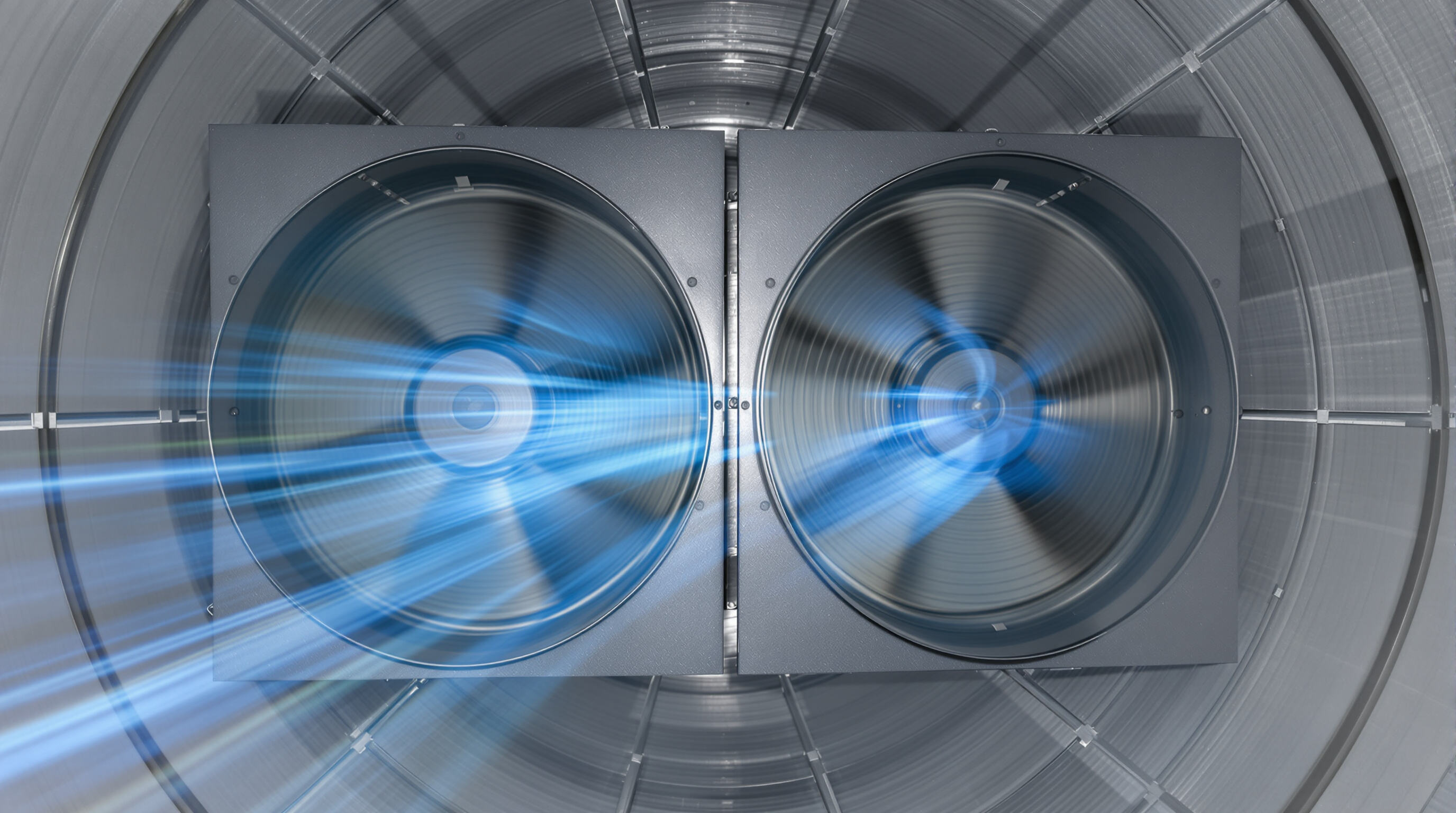
The Basic Mechanics of Duct Fan Operation
Fans installed in ducts create airflow using spinning blades, and there are mainly two types out there: centrifugal and axial. Centrifugal models have those curved blades that push air outward in all directions, which works really well when dealing with tight spaces where pressure builds up. On the flip side, axial fans basically just blow air straight ahead along the same path as their rotation, so they're great for situations where lots of air needs moving but resistance isn't much of an issue. Getting the housing shape right matters a lot for both kinds since any wobble or misalignment in the blades can really cut down on performance. Some tests show that bad alignment might actually drop efficiency somewhere around 20% or so, something the folks at AMCA have confirmed through their research on airflow systems.
Push vs. Pull Configurations and Their Impact on Airflow Dynamics
The push (supply side) and pull (exhaust side) configurations each have their own roles to play. When we talk about push systems, they basically keep the duct pressure on the positive side, which helps stop unwanted stuff from getting into sensitive areas. This matters a lot for labs working with dangerous substances where even small amounts of contamination can be problematic. On the other hand, pull systems work better at containing whatever needs containing. Some recent research from 2023 looked at how these systems handle particles, and found that pull systems captured about 18 percent more particulates in places like pharmaceutical facilities. Many commercial kitchens nowadays use hybrid systems that combine both approaches. These mixed setups have become pretty much standard equipment, especially since they manage to catch around 95 percent of grease according to those ASHRAE certified installations.
Role of Inline Duct Fans in Residential and Commercial Ventilation
Inline duct fans fix those pesky airflow problems in HVAC systems that are either too small or run too far without needing to replace the whole ductwork. For homes, these fans really help out in those hard to reach areas like bathroom vents and attic duct runs. According to a study from the Department of Energy back in 2019, they actually increase airflow efficiency by around 31% for every watt used. Businesses go even bigger with industrial strength inline fans when setting up their ventilation zones. This helps cut down on wasted air that typically happens with big central systems which push air through ducts that don't really need it, something that wastes between 15 and 20% of airflow overall.
Integration of Duct Fans Into Existing Ventilation Networks
When upgrading duct fans, it's really important to do harmonic analysis first so we can avoid those annoying resonance issues in metal duct systems. The newer soft start EC motors have these 45 second ramp up times which basically gets rid of those pressure spikes that cause most problems during retrofits. About three quarters of all duct failures after upgrades are actually from these sudden pressure changes. For bigger projects, many installers now rely on AI based airflow models to figure out where best to place fans. Some recent HVAC research indicates around 12 percent savings each year when using these smart flow path optimizations instead of just sticking with standard arrangements. Makes sense why more companies are jumping on this bandwagon lately.
Optimizing Duct Fan Efficiency for Energy Performance
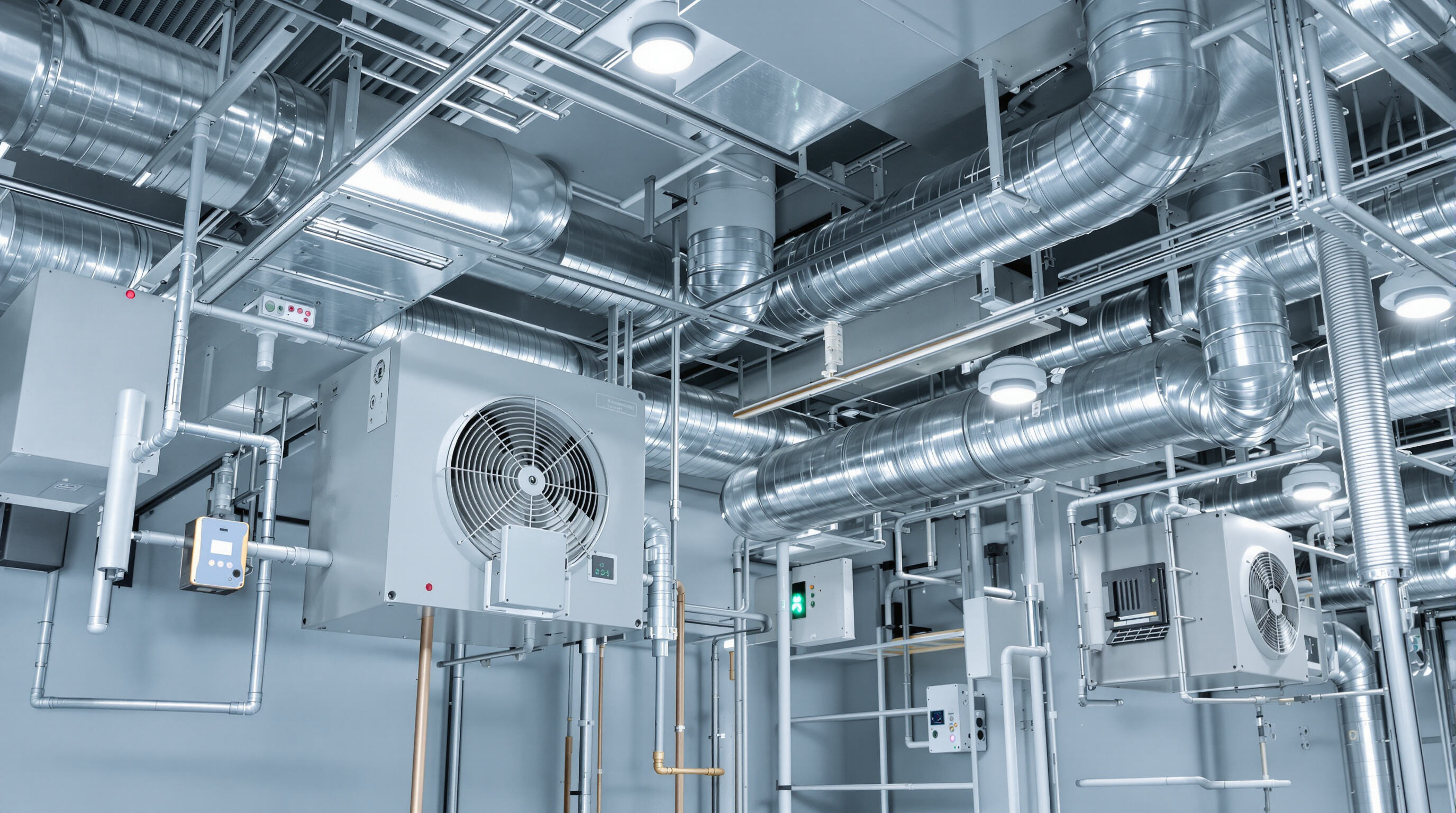
Key factors affecting duct fan efficiency: motor type, blade design, and controls
When it comes to improving duct fan performance, there are basically three main factors that stand out. First up we have electronically commutated motors, or EC motors for short. These bad boys can cut down on energy usage anywhere from 18 to 22 percent compared to older shaded pole models because they control revolutions per minute so precisely. Then there's the whole blade design thing. Manufacturers spend a lot of time tweaking these blades using computer simulations called CFD analysis. The result? Less air turbulence inside the system. Some studies indicate commercial axial flow fans get about 9% better efficiency when they optimize how many blades are used. Lastly, smart control systems such as variable frequency drives really make a difference. Instead of running at full speed all the time, these controls match fan output to what's actually needed in the moment. This approach saves around 30 to 40% of wasted energy that would otherwise go down the drain in systems that just run continuously regardless of load conditions.
Measuring energy efficiency in real-world duct fan applications
In practice, equipment rarely performs as well as it does in lab tests, typically dropping somewhere between 40 to 50 percent when installed in actual environments. The reason? Installation issues that just don't happen in controlled settings. To check how things really work out there, technicians use portable airflow stations which measure pressure differences at the inlet and outlet (in Pascals) while tracking how much power they actually consume (in Watts). According to an HVAC industry report from last year, systems equipped with variable frequency drives kept around 82% efficiency most of the time when operating between 45% and 90% of their maximum load capacity. That's pretty impressive compared to standard on/off models that only hit about 61% efficiency under similar conditions. And those numbers matter financially too. For every cubic foot per minute of air moved through these systems, businesses save anywhere from $1.20 to $2.40 each year simply by choosing the right technology for their needs.
Reducing system losses through smart duct fan integration
Strategic fan placement cuts cumulative airflow resistance by 19–27% in extended duct networks. Insulated ducts prevent thermal losses accounting for 8–12% of energy waste in climate-controlled spaces. Pressure-sensing VFD systems automatically compensate for filter loading, maintaining optimal static pressure (±5 Pa) while using 34% less energy than manual damper adjustments in variable-demand environments.
Case study: Energy savings from high-efficiency duct fan retrofits in commercial buildings
In a recent project involving 28 office buildings, old fixed speed fans were swapped out for newer EC/VFD models throughout the facilities. This change led to cutting down on HVAC energy usage by nearly 40% each year. Sure, the upfront investment was about 25% more expensive than standard options, but looking at the bigger picture makes sense. With carbon savings coming in around $18 per kgCO2e and roughly $2,100 saved annually per unit, the return on investment actually paid itself back within just over two years. Beyond saving money, these upgraded systems made a noticeable difference too. About four out of five complaints about uneven air distribution disappeared thanks to better airflow control. It shows that investing in modern duct fan technology isn't just good for the bottom line it also creates much happier occupants who aren't dealing with hot or cold spots anymore.
Improving Airflow in Complex Ventilation Systems with Duct Fans
Enhancing Airflow Distribution in Confined Spaces and Storage Areas
Duct fans eliminate stagnation in attics, closets, and warehouses by creating targeted pressure differentials. Properly placed units increase air exchange rates by 40–60% in dead zones, preventing moisture accumulation and temperature stratification. Blades optimized for low-static pressure environments ensure consistent airflow with minimal noise.
Zonal Ventilation Strategies Using Modulated Duct Fan Control
Variable-speed duct fans enable precise airflow control across building zones. Systems that adjust fan output based on real-time CO₂ or humidity data reduce energy waste in underused areas. For instance, storage facilities save 35% on ventilation energy by maintaining baseline airflow in empty zones while increasing it in active areas.
Hybrid Systems: Combining Duct Fans with Ceiling Fans for Optimal Airflow
When we combine duct fans with ceiling fans, they create this layered effect for airflow in big open areas like warehouses or school gyms. The duct fans handle most of the heavy lifting, moving air through hidden ductwork, whereas ceiling fans work on improving the air around people's heads. Studies indicate that putting these together can cut down how long HVAC systems need to run by about 18% in places such as sports arenas and performance halls. This setup actually does a better job at preventing hot air from sitting on top of cooler air below compared to just relying on one type of system alone.
Overcoming Airflow Resistance in Long or Branched Duct Networks
Duct fans counteract pressure drops in extended systems through three key strategies:
- Staged boosting: Intermediate fans restore velocity in duct runs exceeding 50 feet
- Hydraulic diameter optimization: Matching fan blade size to duct cross-section minimizes turbulence
- Smart staging: Automated sequencing prevents electrical strain from simultaneous startups
A 2023 ASHRAE study found these methods reduce airflow losses by 72% in branched commercial systems compared to single-fan setups.
Designing and Sizing Duct Fan Systems for Peak Performance
Key Design Parameters: Fan Speed, Static Pressure, and Performance Curves
Duct fan performance depends on fan speed (RPM), static pressure (inches of water gauge), and airflow (CFM). Performance curves illustrate how static pressure changes with airflow. Oversizing fans beyond 115% of design airflow reduces efficiency by 18–22% (HVAC Standards 2023) due to excess power use and turbulence.
| Parameter | Optimal Range | Impact on System |
|---|---|---|
| Fan Speed | 70–90% of max RPM | Maintains airflow with lower noise |
| Static Pressure | 0.5–1.2 inWG | Balances resistance vs. energy use |
| Airflow | 850–1,200 CFM | Prevents particulate settling |
Matching Duct Fan Capacity to System Requirements
A 2025 mine ventilation analysis found undersized duct fans increased energy costs by 34% in branched networks. Critical factors include:
- Required air changes per hour (ACH)
- Duct length and complexity (add 0.1 inWG per 25 feet)
- Anticipated future expansion
Optimizing Duct Sizing and Layout to Complement Fan Performance
Duct diameter significantly affects friction loss. A 10-inch duct moving 1,000 CFM generates 3.8x more friction than a 12-inch duct under the same conditions. Gradual 30° bends reduce turbulence by 41% compared to sharp 90° turns, per ASHRAE 2023 guidelines.
Oversized vs. Modulated Smaller Fans: Performance, Efficiency, and Cost Trade-offs
Oversized Single Fan
- +15% airflow capacity
- -28% efficiency at partial loads
- $1,200 higher upfront cost
Modulated Twin Fans
- Stage operation to match demand
- Maintain 82–86% efficiency across loads
- 6.7-year ROI in commercial applications
Modern installations increasingly favor multiple smaller fans with VFDs, achieving 31% annual energy savings in warehouse tests (2023 Industrial Ventilation Report).
Smart Control and Monitoring of Duct Fan Systems
Modern duct fan systems achieve peak performance through intelligent automation that adapts to real-time environmental conditions. Advanced monitoring and control technologies enable precise airflow management while optimizing energy efficiency across residential and commercial applications.
Automated Control Systems: VFDs, Sensors, and Real-Time Fan Modulation
VFDs, or Variable Frequency Drives, work by adjusting fan speeds based on information gathered from various sensors measuring airflow, temperature levels, and carbon dioxide concentrations. Compared to older fixed speed systems that just run at full blast all day long, these modern drives cut down on wasted energy pretty dramatically. Systems fitted with VFD technology typically save around 25 to maybe even 30 percent on their electricity bills, yet still keep air circulation within about five percent of what's needed. Recent studies looking at how businesses upgrade their ventilation systems show some impressive results too. When companies installed those fancy pressure sensors alongside their existing equipment, they saw their HVAC systems actually running 40% less time across office spaces and retail environments. Makes sense really when you think about it saving money while keeping everyone comfortable inside.
Real-Time Monitoring of Airflow and System Performance
Continuous monitoring of static pressure, motor current, and filter status enables predictive maintenance and early fault detection. Facilities using IoT-enabled systems reduced unplanned downtime by 65% compared to manual inspection regimes, with most issues resolved before occupants noticed performance declines.
IoT-Enabled Duct Fan Networks and the Future of Smart Ventilation
Duct fans connected to the cloud now use machine learning algorithms that predict when people will be in different areas of a building, so they can adjust airflow accordingly throughout various zones. Newer systems work hand in hand with HVAC units all on their own. Take mining operations for instance. Some mines have implemented these smart ventilation systems where sensors track workers' movements and detect heat coming off heavy machinery. The fans then automatically ramp up or down depending on what's needed. One particular mine saw a pretty impressive drop in their ventilation bills after installing this tech cutting costs around 22 percent according to industry reports from last year.
FAQ Section
What are the main types of duct fans?
The main types of duct fans are centrifugal and axial fans. Centrifugal fans are designed to push air outward in all directions using curved blades, making them ideal for tight spaces. Axial fans blow air straight ahead along the path of rotation, suitable for situations where a large volume of air needs to be moved.
How do push and pull configurations affect ventilation?
Push configurations (supply side) create positive pressure, preventing contaminants from entering sensitive areas, which is crucial for labs. Pull configurations (exhaust side) are better at containing particulates, particularly in pharmaceutical settings.
What are inline duct fans used for?
Inline duct fans are used to improve airflow in HVAC systems that are too small or have extended duct runs. They're especially helpful in residential settings like bathrooms and attics, and are used in commercial environments to boost ventilation efficiency.
How can duct fan efficiency be optimized?
Duct fan efficiency can be optimized through the use of electronically commutated motors (EC motors), improved blade design via CFD analysis, and smart control systems like variable frequency drives (VFDs).
Table of Contents
- How Duct Fans Work: Core Mechanics and Airflow Dynamics
- Optimizing Duct Fan Efficiency for Energy Performance
- Improving Airflow in Complex Ventilation Systems with Duct Fans
-
Designing and Sizing Duct Fan Systems for Peak Performance
- Key Design Parameters: Fan Speed, Static Pressure, and Performance Curves
- Matching Duct Fan Capacity to System Requirements
- Optimizing Duct Sizing and Layout to Complement Fan Performance
- Oversized vs. Modulated Smaller Fans: Performance, Efficiency, and Cost Trade-offs
- Smart Control and Monitoring of Duct Fan Systems
- FAQ Section