 EN
EN

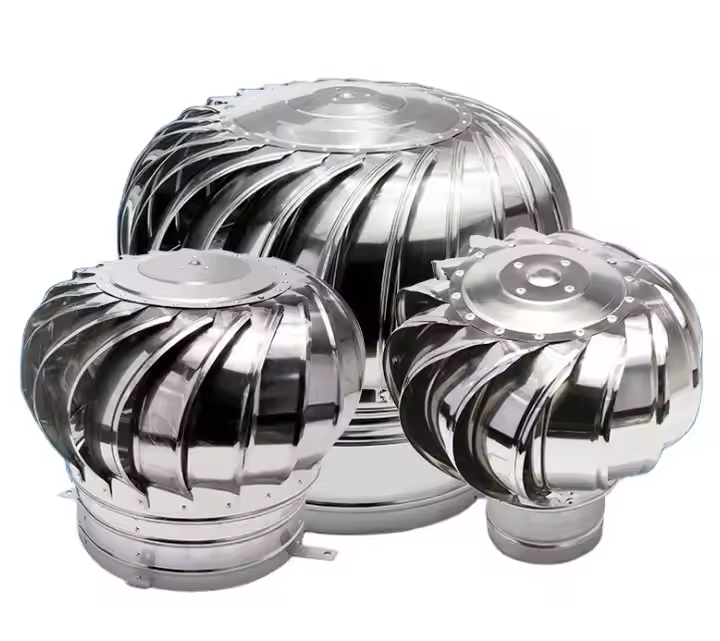
Flashing Fundamentals: Design, Installation, and Integration for Roof Fan Penetrations
Why Flashing Failure Is the #1 Cause of Roof Fan Leaks
According to what industry experts have found, problems with flashing are responsible for well over 80% of all those annoying roof fan leaks we see out there. The main issues tend to fall into three categories really. First off, when the flashing isn't high enough it needs to be at least 8 inches minimum according to standards. Then there's the whole issue of getting the flashing properly aligned with the roof membrane itself. And finally, using materials that just don't work together can spell disaster down the road. Flashing installed too low lets wind driven rain and ice build up right past those critical seals. When overlaps aren't done correctly, water finds its way through those seams where it shouldn't go. Take butyl tape applied on PVC roofs for instance this mismatch speeds up deterioration pretty fast. All these little mistakes end up compromising the whole penetration system, which means flashing becomes the weakest link in the entire setup.
Critical Best Practices: Overlap, Slope, Membrane Integration, and Material Compatibility
Four non-negotiable principles govern durable flashing:
- Height & Slope: Maintain 8" clearance above roof surface with a 1/4" per foot slope away from the unit
- Membrane Integration: Install base flashing under existing roofing layers and seal end dams to prevent lateral water migration
- Sequenced Overlaps: Use shingle-style layering from lower to upper elements to shed water outward and avoid trapping moisture
- Material Compatibility:
| Roof Membrane | Compatible Flashing | Avoid |
|---|---|---|
| EPDM | EPDM-specific | Silicone sealants |
| TPO/PVC | Thermoplastic | Asphalt-based |
| Modified Bitumen | Torch-applied | Non-reinforced |
Independent testing shows adherence to these practices reduces leakage incidents by 92% versus conventional methods. Always confirm manufacturer warranties require membrane-specific integration this is often a condition of coverage.
Sealant Selection and Application for Durable Roof Fan Sealing
UV, Thermal Cycling, and Movement: Why Most Sealants Fail at Roof Fan Perimeters
The edges around roof fans endure constant punishment from the elements, leading to about 70 percent of all sealant problems showing up within just five years according to IIBEC research from 2023. Sunlight breaks down those chemical connections over time. The regular heating and cooling cycles throughout the day push materials to expand and contract by as much as 25%. When temperatures fluctuate more than 50 degrees Fahrenheit, different materials move at different rates too. Sealants that aren't flexible enough simply crack when subjected to these stresses. And if expansion joints are too small for what they need to handle, they fail completely. Field tests actually show that this issue accounts for roughly 80% of all leaks along building perimeters. Contractors see this pattern repeatedly on job sites across the country.
Matching Sealants to Roof Membranes: EPDM, TPO, PVC, and Modified Bitumen Guidelines
Material compatibility is foundational to long-term performance. Elastomeric sealants meeting ASTM C920 Class 25+ movement capacity reliably withstand thermal shifts without cracking. Recommended pairings include:
| Roof Membrane | Recommended Sealant Type | Critical Property |
|---|---|---|
| EPDM | Silicone | High UV resistance, non-oil-based to prevent swelling |
| TPO/PVC | Polyurethane | Strong chemical adhesion requires primer for optimal bond |
| Modified Bitumen | MS Polymer Hybrid | Wide-temperature flexibility (-40°F to 300°F) and bridging capability |
Always verify compatibility through ASTM D794 adhesion testing before full application especially where flashings interface directly with membranes.
Wind Resistance Engineering for Roof Fans: Uplift, Edge Effects, and Code Compliance
How Wind Uplift Targets Roof Fan Perimeters Physics and Field Evidence
The force from wind tends to gather around the edges of roof fans because of differences in air pressure across surfaces. When air moves quickly across rooftops, it creates areas with lower pressure especially noticeable at roof corners and along the eaves. This pulls upwards on the fan's outer parts much like how wings generate lift for airplanes. The constant movement puts a lot of strain on the seals and flashing that hold everything together. Studies show something interesting here too about real world problems. About three quarters of all fan failures caused by bad weather actually start happening right at these connection points. Over time, the repeated stress causes cracks in the sealant material and makes screws and other fastening hardware come loose gradually.
ASTM E1557, ASCE 7, and Real-World Thresholds: Specifying for ≥120 mph Wind Zones
The ASCE 7-22 standard serves as the go-to guide for figuring out wind uplift pressures specific to particular sites. It takes into account local wind speed maps, how tall the building is, and what kind of environment it sits in. When dealing with areas where winds reach 120 mph or higher like coasts and places prone to tornadoes, ASTM E1557 testing becomes essential. This test checks how well assemblies hold up when subjected to conditions similar to those during hurricanes. Installations that follow these guidelines can last around three times longer than non-compliant ones. The secret lies in combining reinforced curbs with continuous structural anchors, making sure to use perimeter sealants rated for compression, and simply putting in about 40% more fasteners at corners and other stress points throughout the structure.
FAQ
What causes most roof fan flashing failures?
Most flashing failures are due to improper height, poor alignment with the roof membrane, and use of incompatible materials.
How can one ensure durable roof fan flashing?
Ensure flashing is at least 8 inches high, properly integrates with membrane layers, follows shingle-style overlaps, and uses compatible materials.
Why do sealants around roof fans frequently fail?
Sealants often fail due to UV exposure, thermal cycling, material movement, and inadequate expansion joints.
How should one select the right sealant for a roof membrane?
Choose sealants with high movement capacity and compatibility with the roof membrane material, confirmed by ASTM D794 adhesion testing.